1. What is the sensation of numbness?
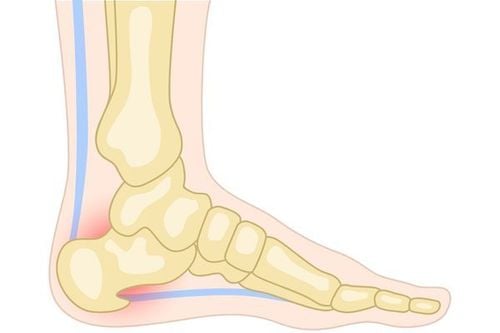
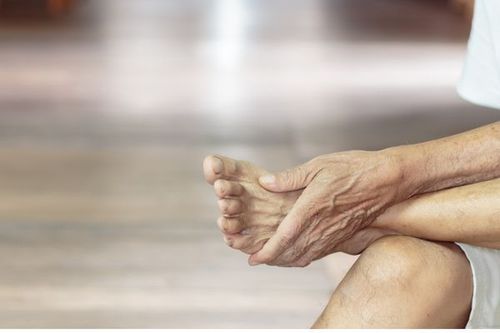
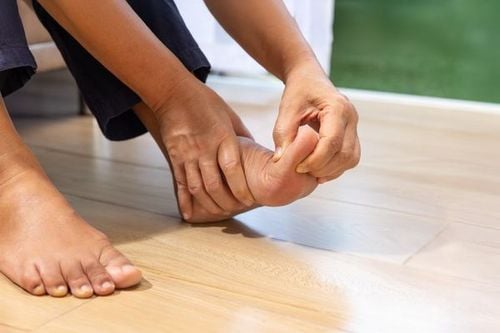
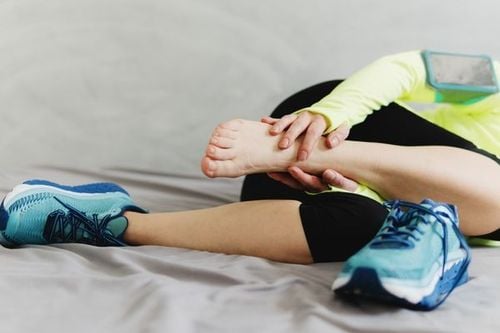
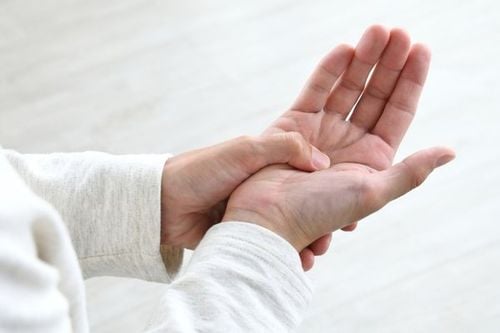
Numbness (or tingling) is actually a sensory disorder affecting part or all of the body. It is commonly accompanied by unusual sensations such as pricking (“pins and needles”) unrelated to external stimuli. Some people may feel a limb go limp or painful. This sensation usually arises from dysfunction of the peripheral nerves.
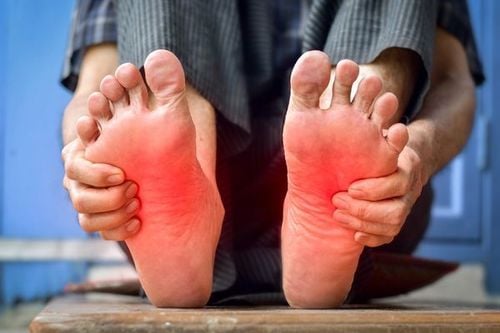
In cases of numbness in the hands or feet, the arms often experience tingling first, then it spreads down to the wrist and hands, and finally to the fingers. Though not always dangerous, if untreated it may significantly impair one’s ability to grip or walk.
2. Causes and symptoms of numbness in the arms and legs
2.1 Causes
Here are some of the potential causes of hand and foot numbness:
Sign of stroke: Hand/foot numbness is usually not an emergency symptom by itself, but it can be a warning sign of stroke when occurring together with other symptoms. For example:
- sudden weakness or numbness in one arm or leg;
- difficulty speaking or slurred speech;
- drooping of the face;
- vision problems;
- dizziness or loss of balance; a
- sudden severe headache.
Vitamin or mineral deficiency: Vitamin B12 is required for healthy nerve function. Deficiency can cause tingling or numbness in the hands and feet. Deficiency of B12 can manifest as: fatigue, jaundice, difficulty with balance, vision problem, hallucination
Other deficiencies (potassium, magnesium) can also contribute.
Medication side‑effects:
Nerve damage (neuropathy) may result from medications, ranging from cancer or epilepsy drugs to some antibiotics and cardiac/hypertension medications.
Some medications with side effects that cause numbness in the limbs include:
- Antibiotics such as metronidazole (Flagyl), nitrofurantoin (Macrobid), and fluoroquinolones (Cipro).
- Anticancer drugs such as cisplatin and vincristine.
- Antiepileptic drugs such as phenytoin (Dilantin).
- Heart or blood pressure medications such as amiodarone (Nexterone) and hydralazine (Apresoline).
Disc Compression:
An intervertebral disc is a soft structure located between the vertebrae of the spine. Damage (such as a herniated disc) can cause this soft disc to become compressed.
The damaged disc may exert pressure on and irritate your spinal nerves. In addition to numbness, a slipped disc can cause weakness or pain in your arms or legs.
Raynaud’s Syndrome:
Raynaud’s syndrome occurs when your blood vessels constrict, reducing blood flow to your hands and feet. Poor circulation causes your fingers and toes to become numb, cold, pale, and very painful.
This symptom usually appears when you are exposed to cold or under stress.
Carpal Tunnel Syndrome:
The carpal tunnel is a passageway running through the center of your wrist. Inside this tunnel lies the median nerve, which provides sensation to the thumb, index finger, middle finger, and part of the ring finger.
Spinal Degeneration:
Compression of the cervical spinal nerves and arteries caused by degeneration leads to impaired blood circulation and various symptoms, including numbness of the hands and feet. Without early treatment, the condition will worsen, symptoms will become more frequent, and serious complications such as paralysis or limb atrophy may occur.
Cardiovascular Diseases:
Numbness in the hands and feet can be an early sign of cardiovascular disease. Poor blood circulation due to impaired cardiac function inevitably leads to numbness in the extremities.
Atherosclerosis:
Atherosclerotic plaques that narrow blood vessels or compress nearby nerves can cause numbness in the hands and feet.
Diabetes:
In diabetes, the body has difficulty transporting glucose from the blood into cells. Chronically elevated blood glucose levels can damage nerves, leading to diabetic peripheral neuropathy.
This condition causes nerve damage resulting in numbness in the arms, hands, legs, and feet.
Thyroid Disorders:
The thyroid gland produces hormones that regulate the body’s metabolism. Hypothyroidism occurs when the thyroid produces too little of these hormones.
Untreated thyroid disorders can damage nerves responsible for transmitting sensations to the arms and legs, a condition known as peripheral neuropathy. Symptoms include numbness and weakness in the hands and feet.
Osteoarthritis and Rheumatoid Arthritis:
When major joints such as the hands, knees, or hips become damaged, eroded, or inflamed, they may cause numbness in the limbs or restricted movement.
Spinal Stenosis:
This is a congenital deformity in which the spinal canal is narrowed, compressing the nerves and causing numbness in the limbs. If left untreated, it can lead to blood flow obstruction and impaired mobility.
Multiple Sclerosis (MS):
In MS, the immune system attacks the protective sheath surrounding nerve fibers. Over time, the nerves become increasingly damaged.
Symptoms depend on which nerves are affected. Numbness and tingling are among the most common MS symptoms. Loss of sensation often occurs in the hands, legs, or face, typically affecting one side of the body.
2.2 Symptoms
If left untreated, numbness and pain will gradually worsen over time; fingers become not only numb but also sore, with more intense tingling pain radiating down the arm and forearm, making it difficult to move or grasp objects. The toes, feet, ankles, and lower legs may also be affected.
Warning Signs:
The following symptoms in people with numbness are cause for concern:
- Numbness begins suddenly (within minutes or hours). Early signs are often mild, such as tingling fingertips, prickling, crawling sensations, cramps, or fatigue — symptoms that are transient and easily ignored.
- Weakness starts suddenly or progresses rapidly (within hours or days).
- Numbness or weakness spreads quickly up or down the body, involving more areas.
- Difficulty breathing.
- Numbness in the thighs, buttocks, genitals, or perineal area (saddle region) with loss of bladder or bowel control.
Numbness on both sides below a certain body level (e.g., below the chest). - Complete numbness in one arm or leg.
- Loss of sensation in the face and trunk.
If these symptoms persist for more than 6 weeks, you should seek medical evaluation.
3. Medical Examination for Limb Numbness
Initially, the doctor will ask which body parts are affected. The distribution of numb areas often indicates which part of the nervous pathway is involved:
- One part of a limb: Peripheral nerve or sometimes spinal nerve root involvement.
- Arm and leg on the same side: Brain lesion.
- Both sides below a specific level: Spinal cord disorder, such as transverse myelitis.
- Both sides, mainly hands and feet: Simultaneous dysfunction of multiple peripheral nerves (polyneuropathy).
Doctors will then inquire about other symptoms and medical history, which may suggest causes and guide necessary tests.
They will also ask patients to describe the numbness in detail, including:
- Onset and pattern of symptoms.
- Presence of other symptoms such as abnormal sensations, weakness or paralysis, bladder/bowel incontinence, urine retention, vision problems, swallowing difficulty, or cognitive decline.
- Recent limb pressure, trauma, awkward sleeping positions, or infections.
Knowing how quickly numbness and related symptoms develop helps determine the type of disorder. For instance, back or neck pain suggests degenerative joint disease, disc herniation, or other spinal compression.
Doctors also check for disorders associated with numbness, particularly diabetes, chronic kidney disease, infections(HIV, Lyme disease), stroke, or arthritis. They may inquire about family history of similar symptoms or hereditary neurological disorders, as well as drug use (including stimulants) or toxin exposure.
A physical examination includes a full neurological assessment, focusing on sensory testing (touch and temperature), reflexes, and muscle function.
4. Complications of Limb Numbness
Because the symptoms are often mild, many people ignore them, which can lead to serious complications such as:
- Persistent pain and severe numbness causing loss of appetite, insomnia, and major health deterioration.
- Impaired movement, walking, and daily activities.
- Untreated cases may result in paralysis, muscle atrophy, or loss of bladder/bowel control.
- In severe cases, progression to tumors or cancers compressing the nervous system, potentially life-threatening.
5. Methods for Treatment and Prevention of Limb Numbness
5.1 Treatment of Limb Numbness
The underlying cause of numbness should be addressed or treated when possible.
General measures can help relieve symptoms and prevent further complications. Caution is needed to avoid injury, as patients with numbness may not feel discomfort properly.
If the feet are numb—especially when circulation is impaired—patients should wear properly fitting socks and shoes, and check their shoes for pebbles or foreign objects before putting them on. Regularly inspect the feet for ulcers and signs of infection such as redness. If the hands or fingers are numb, be careful when handling hot or sharp objects.
Depending on the patient’s condition, the doctor may decide whether medical treatment is necessary, including the use of nonsteroidal anti-inflammatory drugs (NSAIDs) combined with paracetamol, and vitamin B complexesadministered orally or by injection.
5.2 Prevention of Limb Numbness
- Avoid staying in one position for long periods, especially when watching TV or working on a computer.
- Avoid consuming caffeine and alcoholic beverages, as they may reduce blood circulation.
- Follow a healthy diet.
- Eat plenty of fresh seasonal fruits and leafy green vegetables. Avoid processed and refined foods.
- Drink plenty of water throughout the day to prevent dehydration, which can impair circulation.
- Avoid smoking and using tobacco products, as they can overload the nervous system.
- Avoid wearing ill-fitting shoes. High heels or tight footwear that compress your toes can also cause numbness.
5. Methods for Treatment and Prevention of Limb Numbness
5.1 Treatment of Limb Numbness
The underlying cause of numbness should be addressed or treated when possible.
General measures can help relieve symptoms and prevent further complications. Caution is needed to avoid injury, as patients with numbness may not feel discomfort properly.
If the feet are numb—especially when circulation is impaired—patients should wear properly fitting socks and shoes, and check their shoes for pebbles or foreign objects before putting them on. Regularly inspect the feet for ulcers and signs of infection such as redness. If the hands or fingers are numb, be careful when handling hot or sharp objects.
Depending on the patient’s condition, the doctor may decide whether medical treatment is necessary, including the use of nonsteroidal anti-inflammatory drugs (NSAIDs) combined with paracetamol, and vitamin B complexesadministered orally or by injection.
5.2 Prevention of Limb Numbness
- Avoid staying in one position for long periods, especially when watching TV or working on a computer.
- Avoid consuming caffeine and alcoholic beverages, as they may reduce blood circulation.
- Follow a healthy diet.
- Eat plenty of fresh seasonal fruits and leafy green vegetables. Avoid processed and refined foods.
- Drink plenty of water throughout the day to prevent dehydration, which can impair circulation.
- Avoid smoking and using tobacco products, as they can overload the nervous system.
- Avoid wearing ill-fitting shoes. High heels or tight footwear that compress your toes can also cause numbness.
Limb numbness may sometimes be an early sign of stroke.
5.3 Home Remedies
Limb numbness can be a source of discomfort. However, this can be managed at home with some simple remedies
Warm Compress:
The first step to relieve numbness is applying warmth to the affected area. This helps increase blood flow, relax muscles, and soothe nerves.
- Soak a towel in warm water.
- Wring out the excess and place it on the affected area for 5–7 minutes.
- Repeat several times until the numbness subsides.
You can also take a warm shower or use a heating pad for relief.
Massage:
Massaging the hands and feet is a simple yet effective way to relieve numbness. It improves blood circulation, stimulates nerves and muscles, and restores function.
- Warm a small amount of olive, coconut, or mustard oil in your palms.
- Apply it to the affected area.
- Massage in circular motions for at least 5 minutes.
- Repeat as needed.
Exercise:
Exercise helps improve circulation and oxygen delivery to all body parts, preventing numbness and tingling in the hands and feet. Regular activity also improves mobility and overall health.
- Perform simple arm and leg exercises for 15 minutes each morning.
- During work breaks, stretch and flex your arms, wrists, hands, and legs.
- Do aerobic or cardio exercises (e.g., walking, jogging, cycling, swimming) for 30 minutes, 5 days a week.
Always warm up before exercising and wear proper footwear. Avoid high-impact exercises if they cause numbness in your feet or toes.
Turmeric:
Curcumin, a compound in turmeric, improves blood flow throughout the body and has anti-inflammatory properties that help reduce pain and discomfort.
- Mix 1 teaspoon of turmeric powder in a cup of milk, heat gently, and add a little honey. Drink once daily to enhance circulation.
- You can also apply a paste made of turmeric powder and water to the affected area.
- If you have poor circulation, daily turmeric supplementation may help—but consult your doctor before using supplements.
Epsom Salt:
Soaking your feet in warm water with Epsom salt can help relieve numbness. Magnesium sulfate crystals raise the body’s magnesium levels and improve circulation. Proper circulation helps reduce and prevent numbness.
- Mix ½ cup of Epsom salt in a basin of warm water.
- Soak your feet for about 10 minutes.
- Repeat several times a week.
This remedy is not recommended for people with diabetes or kidney problems.
Cinnamon:
Cinnamon is rich in manganese, potassium, and several B vitamins. Its nutrients help improve blood flow to the arms and legs, aiding in the treatment of numbness.
- Mix 1 teaspoon of cinnamon powder in a glass of warm water and drink once daily.
- Alternatively, mix 1 teaspoon of cinnamon powder with honey and take it every morning for several weeks.
Ginkgo Biloba:
Ginkgo biloba, a popular Ayurvedic herb, can also improve blood circulation and help reduce or prevent numbness in the limbs.
The typical dosage is 40 mg, three times daily, but you should consult your doctor before use, as it may interact with certain medications.
Elevating the Limbs:
Raising your hands or feet can help relieve numbness caused by poor blood circulation. Elevate the affected area for a few minutes to improve blood flow.
Once circulation returns to normal, numbness will subside.
Use pillows to elevate your limbs when resting.
Vitamin B-Rich Foods:
To prevent numbness and tingling in your hands and feet, consume foods high in vitamin B6 and vitamin B12, which are essential for healthy nerve function.
Include the following in your diet: eggs, meat, fish, nuts, seeds, fortified cereals, butter, bananas, beans, oats, milk, cheese, yogurt, and dried fruits.
You may also consider vitamin B-complex supplements twice daily—consult your healthcare provider for proper dosage and formulation.
Magnesium Supplementation:
Low magnesium levels can also cause numbness. This mineral is essential for proper nervous system function and circulation.
Eat magnesium-rich foods such as leafy greens, nuts, oats, peanut butter, cold-water fish, soybeans, avocados, bananas, dark chocolate, and low-fat yogurt.
You may also take magnesium supplements, but consult your doctor for the correct dosage.
To arrange an appointment, please call HOTLINE or make your reservation directly HERE. You may also download the MyVinmec app to schedule appointments faster and manage your reservations more conveniently.