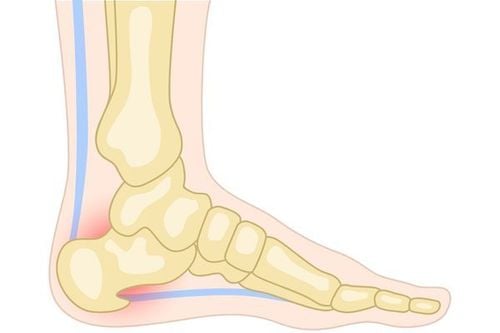
1. What is an Ankle Sprain?
An ankle sprain occurs when the ligaments surrounding the ankle joint are overstretched or torn due to sudden trauma. This can happen to anyone, regardless of age. The severity of a sprain can range from mild to severe, depending on the extent of ligament damage and the nature of the injury.
Many people underestimate the seriousness of an ankle sprain, leading to delayed or inappropriate treatment and long-term complications.
2. Grades of Ankle Sprain
Ankle sprains are typically classified into three grades:
- Grade 1 (Mild): Microscopic tears in the ligament fibers, resulting in mild swelling around the ankle.
- Grade 2 (Moderate): Partial tearing of the ligament, causing moderate swelling and a feeling of joint instability during examination.
- Grade 3 (Severe): Complete rupture of the ligament. The ankle appears visibly swollen and bruised, with marked instability on physical assessment.
3. Diagnosing an Ankle Sprain
- Incorrect first aid can lead to serious complications such as chronic pain, prolonged swelling, bruising, and impaired mobility. If left untreated, ligament injuries may become chronic and result in joint instability.
- X-rays usually do not show bone abnormalities but can help rule out fractures and indicate possible ligament injuries—especially widening of the medial clear space, suggesting damage to the deltoid or lateral ligaments.
- MRI (Magnetic Resonance Imaging) is recommended when severe ligament or cartilage damage is suspected. However, MRI should only be performed after acute swelling has subsided.

4. Is an Ankle Sprain Dangerous?
If not managed properly or if the patient resumes activity too soon, ankle sprains can lead to:
- Persistent ankle pain
- Chronic ankle instability
- Post-traumatic arthritis or joint degeneration
5. Can an Ankle Sprain Heal on Its Own?
Most mild ankle sprains can heal without medical intervention. However, restoring joint strength and mobility is essential to prevent recurrence. If symptoms such as pain and swelling persist beyond 4–6 weeks or impair mobility, the risk of developing chronic ankle instability increases.
6. What to Do When You Sprain Your Ankle
6.1 General Treatment Principles
Most ankle sprains, even severe ones, do not require surgery. The typical recovery plan consists of three stages:
Rest and swelling reduction
Physical therapy to regain range of motion and strength
Functional training to return to daily activities
Recovery time varies by severity:3 weeks for mild sprains 6 to 12 weeks for moderate to severe sprains
6.2 Management of Mild Sprains (Grade 1)
Most mild sprains can be treated at home using the RICE method:
- Rest: Minimize weight-bearing on the affected foot.
- Ice: Apply cold packs for 20–30 minutes, 3–4 times daily. Use a towel to avoid direct skin contact.
- Compression: Use an elastic bandage or ankle brace to stabilize the joint.
- Elevation: Keep the ankle elevated above heart level for the first 48 hours.
- Additionally, over-the-counter NSAIDs like ibuprofen or alphachoay may be used to reduce pain and inflammation, under medical guidance.

6.3 Management of Moderate to Severe Sprains (Grade 2–3)
When symptoms include significant swelling, instability, and restricted movement, professional medical evaluation is essential.
Avoid traditional remedies such as herbal compresses or alcohol-based balms. These may worsen swelling and delay healing.
In addition to ice and elevation, treatment may include:
- Immobilization: A cast or splint may be applied, extending from the upper shin to the toes, typically for at least 3 weeks.
- Rehabilitation exercises: After cast removal, patients should begin balance and strengthening exercises (e.g., single-leg stance).
- Avoid heat therapy, deep massage, or injections during the acute phase, as these can increase swelling and bleeding.
- Do not over-tighten bandages, as this may cause bruising or restrict circulation.

6.4 Surgical Treatment
Surgery is rarely required and only considered in cases of: Complete ligament rupture, chronic instability, conservative treatment failure
Arthroscopic surgery may be performed to assess the joint, remove damaged cartilage fragments, and repair or reconstruct torn ligaments using grafts (often from the patient’s own tendons).
7. Common Mistakes in Treating Ankle Sprains
Applying hot compresses, herbal balms, or alcohol rubs to a sprained ankle is inappropriate, especially in the acute phase. Heat increases blood flow, which may worsen bleeding and swelling.
Heat therapy is more suitable for bone fractures, where increased circulation may support healing. In ligament injuries, it may cause complications such as muscle atrophy or joint stiffness.
8. How to Prevent Ankle Sprains
To reduce the risk of sprains, especially during sports:
- Always warm up thoroughly before physical activity.
- Wear proper footwear that fits well and suits the sport.
- Be cautious when walking or running on uneven terrain.
- Avoid intense activity if experiencing ankle pain.
Most ankle sprains can be managed without surgery. Treatment follows three key stages:
- Rest and immobilization
- Physical therapy to restore movement and strength
- Gradual return to normal activities
Recovery takes about 3 weeks for mild cases and 6–12 weeks for moderate to severe sprains.

To arrange an appointment, please call HOTLINE or make your reservation directly HERE. You may also download the MyVinmec app to schedule appointments faster and manage your reservations more conveniently.