Some young children frequently wake up every night and struggle to fall back asleep, which can affect the health of the entire family. The good news is that once children are used to solid food, certain dinner options can help improve this situation.
1. How Do Foods Promote Sleep in Children?
The composition of any food consumed affects overall health. While some foods keep the brain awake and maintain alertness (like coffee for adults), there are foods known to promote sleep. These foods, when combined with complex carbohydrates, help release sleep-promoting substances in the body, both in children and adults. This helps make the child feel more comfortable and digests better after dinner, making them more likely to feel sleepy. Simply put, parents can help children fall asleep more easily.
2. What Should You Feed Your Baby for Dinner to Aid Digestion and Promote Good Sleep?
Here are 9 nutritious and easily digestible dinner options for children that can also help them sleep well:
2.1. Warm Oatmeal
Oatmeal itself is a healthy food that is extremely beneficial for both young children and adults. Oats are a great source of melatonin, which helps activate insulin production. Insulin, in turn, promotes quicker sleep after dinner. Parents can prepare oatmeal in various forms; the simplest option is oatmeal porridge, which is light and easy to digest for babies. Additionally, you can pair it with fresh apple to improve both the flavor and nutritional value.
2.2. White Rice for Easy Digestion and Better Sleep
The ideal type of rice for dinner is one with a high glycemic index. Scientific studies have shown that this helps the body fall asleep better and faster. This is why many people feel sleepy after eating rice. While brown rice is highly recommended for babies due to its higher nutritional value, white rice has a higher glycemic index and is also easier to digest for young children. Moreover, white rice is very light on the stomach.
2.3. Adding Spinach to Dinner
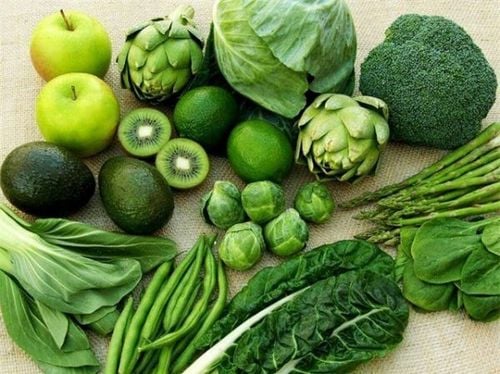
A balanced dinner for babies must always include leafy green vegetables. These are an essential source of nutrients like iron, vitamins, and minerals. However, parents should also know that, in addition to providing necessary nutrients, green vegetables are also rich in tryptophan — an amino acid used by the body to synthesize protein in general, and to produce melatonin, the body's "sleep hormone." Among these, spinach is one of the best options.
2.4. Cherries for Better Sleep
Cherries are another great food for a bedtime snack because they, like spinach, are a source of melatonin, the sleep hormone. Additionally, ripe cherries are tasty and vibrant, which children will enjoy. However, remember that sour cherries contain the highest amounts of melatonin, so opt for sour varieties rather than sweet ones.

2.5. Bananas for Better Sleep
Many children love bananas because they are soft and sweet. Bananas are also rich in magnesium, a natural muscle relaxant. When the muscles relax, children are more likely to feel sleepy after dinner and sleep better. Bananas also contain melatonin and serotonin. Blending bananas into a smoothie can be a great dinner for weaning babies or a delicious dessert for older children.
2.6. Chicken for Easy Digestion and Better Sleep
Once children can eat meat, parents should consider introducing chicken into their child's diet. Chicken contains a high amount of tryptophan, which helps children fall asleep faster after dinner. Furthermore, chicken meets the protein needs of young children. A bowl of chicken soup or chicken porridge for dinner is a great choice that helps children digest easily and sleep well.
2.7. Walnuts for a Relaxed Mind
Walnuts help stimulate the production of serotonin — a chemical that calms the brain and affects mood, helping the mind relax. This promotes better and deeper sleep. Moreover, walnuts contain melatonin, so parents can add walnuts to their child's dinner. For younger babies just starting on solids, walnuts can be blended into milk or soup, while older children can eat them whole.
2.8. Chickpeas Promote Sleep
In general, legumes are high in protein as well as tryptophan, making them excellent sleep promoters. However, in addition to high protein content, chickpeas are also rich in iron, potassium, fiber, and vitamins K, C, and B6. These nutrients make chickpeas an ideal choice for parents wondering what to feed their baby for dinner. The easiest way to prepare chickpeas for babies is to boil them, mash them up, and cook them into porridge or soup according to the child's diet. This makes chickpeas easy to consume and digest.
2.9. Dairy Products
Finally, no surprise here — drinking milk before bed is a familiar way to help children sleep well, especially a warm glass of milk before tucking them into bed. In addition to milk, other dairy products like cheese and yogurt contain large amounts of tryptophan. Therefore, a combination of ingredients like bananas, walnuts, and cherries blended with fresh milk is not only a tasty treat but also promotes restful sleep for children throughout the night.

3. Foods to Avoid Before Bedtime
If children have trouble sleeping, it might be due to having eaten the wrong foods before bed. Below are 5 types of foods children should avoid consuming before sleep:
- Caffeinated Beverages: Iced tea, bubble tea, coffee, and some energy drinks contain caffeine. Children should absolutely avoid drinking these beverages, especially before bed, as caffeine is a stimulant. After consuming caffeine, children may find it difficult to sleep. Additionally, these drinks should only be consumed by adults.
- Sugary Drinks: Avoid giving children soda, sugary fruit juices, or any other sugary drinks before bedtime. These sweet drinks can cause tooth decay if children forget to brush their teeth before bed. Moreover, sugary drinks can be stimulating to the brain, making it harder for children to fall asleep and potentially leading to behavioral problems or hyperactivity.
- Fried Foods: If your child's favorite foods are fried chicken or French fries, it's okay to give them these occasionally. However, fried foods should not be consumed right before bed. Foods high in oil take longer to digest, which can make children feel bloated and uncomfortable, disrupting their sleep.
- Chocolate, Candy, and Sweets: Chocolate contains a small amount of caffeine along with high sugar content. Both of these ingredients are not suitable for children before bedtime.
- Dried or Preserved Fruits: Fruits are generally a healthy choice. However, eating too many fruits before bed can lead to bloating, the need to use the bathroom, and ultimately, a late bedtime. It's better for parents to give their children fresh fruits earlier in the day, or at least a few hours before bedtime. Dried or preserved fruits should also be limited due to their high sugar content.
4. Additional Dietary Tips for Better Sleep
In addition to knowing what to feed your child for a good night's sleep, parents should also consider other factors that affect sleep. Here are some tips to help schedule meals in a way that promotes light digestion, making it easier for children to sleep through the night without waking up:
- Avoid large meals before bed: Large meals increase metabolism and body temperature, making it harder for children to fall asleep.
- The largest meal of the day for babies, especially during weaning, should be at midday. Dinner should be lighter than lunch and eaten at least 2 hours before bedtime.
- A very light meal right before bed can be a great idea. A warm glass of milk is a common choice that prevents children from waking up due to hunger. Other healthy options should be chosen that are free of refined sugar and caffeine. The light meal should ideally be given at least 30 minutes before bedtime.
- A light and comfortable dinner will help children sleep better. However, remember that choosing the right food for dinner does not completely solve sleep issues. The timing of the meal before bed also plays a significant role in improving children's sleep habits.
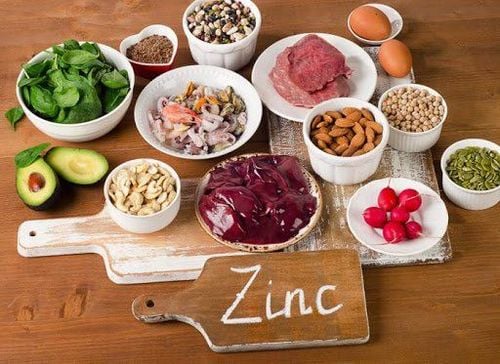
Additionally, parents should ensure their children receive essential micronutrients like zinc, selenium, chromium, vitamins B1 and B6, ginger, and sour cherry extract (vitamin C) to enhance their appetite, promote healthy growth, improve immunity, and prevent minor illnesses and digestive issues.
References: tommeetippee.com, parenting.firstcry.com, timesofindia.indiatimes.com
To arrange an appointment, please call HOTLINE or make your reservation directly HERE. You may also download the MyVinmec app to schedule appointments faster and manage your reservations more conveniently.