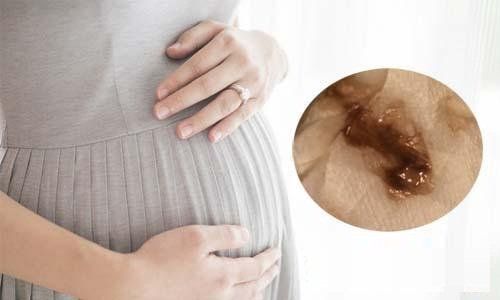
The postpartum period is a crucial time when women need proper nutrition to recover and ensure adequate milk supply for their newborns. Many new mothers wonder what foods they should avoid after childbirth. Continue reading this article to learn about the best dietary choices for postpartum recovery and optimal breastfeeding.
1. What Should Postpartum Women Eat?
After childbirth, a mother's primary concerns are producing sufficient milk for breastfeeding and recovering quickly. To ensure an adequate milk supply, it is essential to stimulate and regulate lactation effectively. Among the various factors influencing milk production, diet plays a crucial role.

Here are some foods that promote postpartum recovery and enhance milk production:
- Traditional lactation-boosting foods: According to longstanding traditions, foods such as pork trotters, black chicken, and papaya soup are known to support milk production. However, it is important to vary the diet daily to avoid monotony.
- Hydration: Drinking plenty of fluids is essential. It is recommended to consume 2–3 liters of warm water/ day.
- Salmon: This fish is an excellent source of protein and healthy fats, particularly DHA, which is essential for the baby’s neurological development. The U.S. Food and Drug Administration (FDA) recommends consuming about 330 grams of salmon per day.
- Dairy products: Foods such as yogurt and cheese provide vitamin D, which is crucial for the development of strong bones in both the mother and baby. Additionally, yogurt contains protein, B vitamins, and calcium, all of which are beneficial for infant growth. The recommended daily calcium intake for postpartum women is 1,000 mg.
- Lean beef: Rich in iron, beef helps replenish energy levels in breastfeeding mothers. It also contains protein and vitamin B12. Opting for lean cuts with minimal fat is recommended to limit excessive fat intake.
- Leafy greens: Vegetables such as spinach and broccoli are packed with vitamin A, which is beneficial for both the mother and baby. Green vegetables are also rich in vitamin C, calcium, iron, and antioxidants. Additionally, they are low in calories, making them an excellent choice for maintaining health and promoting sustainable weight loss.
- Fruits: Berries, such as blueberries, provide high levels of vitamin C, which is beneficial for postpartum recovery.
- Whole grains: These are excellent sources of energy and are easy to prepare. They can be consumed as breakfast, snacks, or in other meals throughout the day.
2. What Should Postpartum Women Avoid Eating?
While many nutritious foods support postpartum recovery, some foods and beverages should be avoided due to their negative effects on lactation and infant health:
- Garlic: The strong odor of garlic may alter the taste of breast milk, making it less appealing to the baby, which could lead to reduced feeding.
- Caffeinated beverages (e.g., coffee, chocolate): Although caffeine provides a temporary boost in energy, it can pass into breast milk and may cause sleep disturbances in infants.
- Alcoholic beverages: Alcohol is strictly prohibited while breastfeeding as it can impair the infant’s alertness and cause fatigue. Additionally, alcohol consumption significantly reduces milk supply.
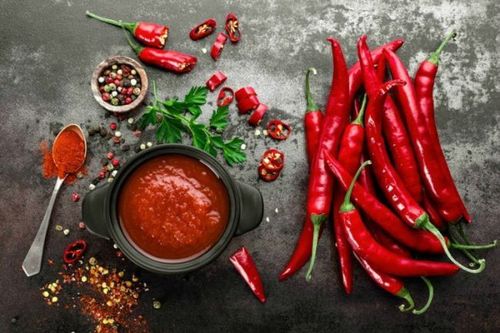
- Spicy foods: These can cause digestive disturbances in the mother, potentially affecting the baby through breast milk. Spicy foods may also alter the baby’s blood circulation, making them unsuitable for postpartum women.
- High-fat foods: Fried and greasy foods contain unhealthy fats, which can contribute to weight gain and lower the quality of breast milk. Instead, postpartum women should opt for steamed or boiled meals for better health benefits.
- High-mercury fish: While salmon contains low levels of mercury, making it a safe choice, certain fish species such as mackerel and swordfish have dangerously high mercury levels, which can harm infant brain development.
- Cold foods and beverages: Consuming cold foods and drinks can negatively impact dental health and digestion, potentially delaying postpartum recovery.
- Raw foods: Uncooked foods may cause digestive issues and contaminate breast milk, which can be harmful to the baby.
- Acidic foods and beverages: Drinks such as orange and lemon juice, despite their high vitamin C content, may cause digestive discomfort, acid reflux, or diarrhea in infants when transferred through breast milk.
- Carbonated drinks: Soft drinks and carbonated beverages should be avoided as they may cause bloating, gas and weight gain.
- Weight-loss supplements: While many women wish to regain their pre-pregnancy figure, using rapid weight-loss products can harm liver and kidney function. More importantly, these supplements may adversely affect breast milk quality, impacting the baby's nutrition. Instead, a balanced diet combined with regular exercise is a safer way to achieve postpartum weight loss.
Knowing what foods to avoid and what to include in the diet is essential for a healthy postpartum recovery. A well-balanced diet not only promotes maternal health but also ensures high-quality breast milk for the baby.
To arrange an appointment, please call HOTLINE or make your reservation directly HERE. You may also download the MyVinmec app to schedule appointments faster and manage your reservations more conveniently.