A stiff neck occurs when one or more ligaments in the neck muscles or tendons are overstretched, causing tears. Although a stiff neck usually heals on its own within a few days or weeks, some cases require specialized treatment. So, what should you do if you have a stiff neck?
1. What is a stiff neck?
A stiff neck is a type of soft tissue injury that happens when the ligaments in the neck are stretched beyond normal limits, leading to ligament sprain, causing pain and other neck problems.
The signs and symptoms of a stiff neck include:
Pain is the main symptom. The pain worsens with movement and can start immediately after the injury or develop over a few days. The severity depends on how bad the sprain or ligament tear is. Mild neck sprains tend to cause mild pain, while ligament tears may cause severe pain. Other symptoms may include:
- Difficulty sleeping or concentrating
- Headaches at the back of the head
- Muscle spasms in the neck or shoulders
- Neck stiffness
- Numbness or tingling in the upper limbs
- Throat pain
- Weakness in the neck or shoulders
Severe symptoms of stiff neck include:
- Abnormal neck alignment
- Changes in consciousness or alertness, such as fainting or unconsciousness
- Difficulty breathing or swallowing
- Loss of bladder or bowel control
- Paralysis in any part of the body
- Severe headaches
Even without severe symptoms, it is important to see a doctor after a neck injury leading to a stiff neck. Accurate diagnosis is needed to ensure your neck is stable and your spinal cord is not injured. Early medical care provides the best chance for successful recovery.
2. What should you do if you have a stiff neck?
When pain first appears due to a stiff neck, one or more of the following treatments are usually applied:
2.1 Activity modification
Rest the neck and avoid strenuous activities for a few days to allow muscles, ligaments, or tendons to start healing and improve. Trying to push through pain without reducing activity can worsen the injury and prolong pain.
2.2 Cold and heat therapy
Apply ice within the first 48 hours after injury to reduce swelling. After 48 hours, either heat or ice can be used based on patient preference. Heat helps improve blood flow and deliver nutrients to injured tissues. Keep a barrier between skin and heat/cold source to avoid skin injury. Apply packs for 10-20 minutes with breaks in between.
2.3 Over-the-counter pain medication
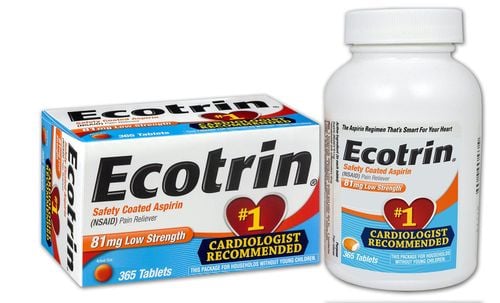
Anti-inflammatory drugs such as ibuprofen or naproxen reduce inflammation and pain. Common pain relievers like acetaminophen can be safe alternatives.
Note that even if movement is painful, complete bed rest or wearing a neck brace is generally discouraged, as this can weaken neck muscles and delay recovery.
2.4 Physical therapy
Therapists or trained health professionals can design a physical therapy program targeting neck muscles. The program usually begins with instructions on exercises and stretches. Over weeks or months, patients continue the program at home.
2.5 Massage therapy
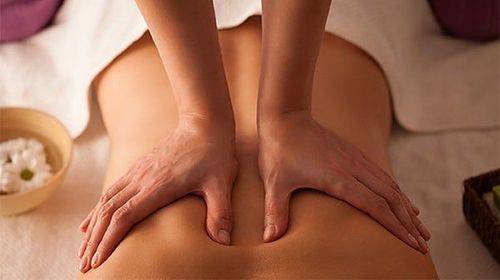
Massage can help relax muscles and increase blood flow to injured tissues, which may reduce pain. Some health professionals combine massage with manual spinal adjustments.
2.6 Medication
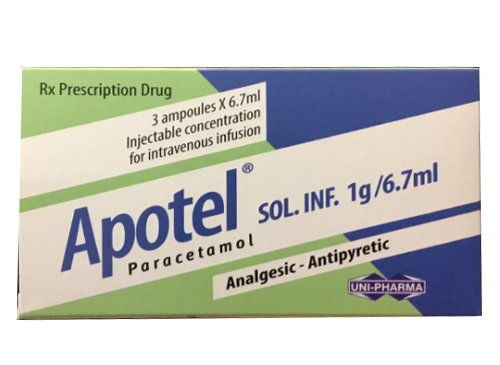
Rarely, stiff neck muscle strain may require prescription medications for pain relief. Muscle relaxants may be prescribed short-term to reduce muscle spasms.
Knowing what to do and applying appropriate treatment can relieve pain through over-the-counter painkillers, rest, and ice therapy. If neck pain lasts more than a few days or initial treatments are insufficient, early medical evaluation is needed to effectively reduce pain and allow ligaments to heal, minimizing long-term complications.
To arrange an appointment, please call HOTLINE or make your reservation directly HERE. You may also download the MyVinmec app to schedule appointments faster and manage your reservations more conveniently.