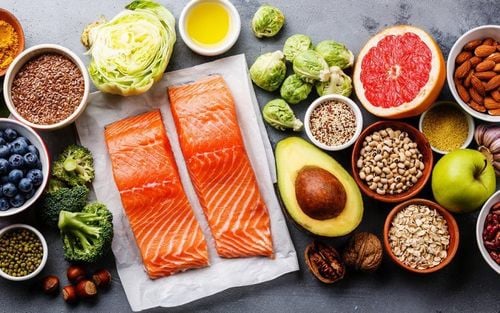
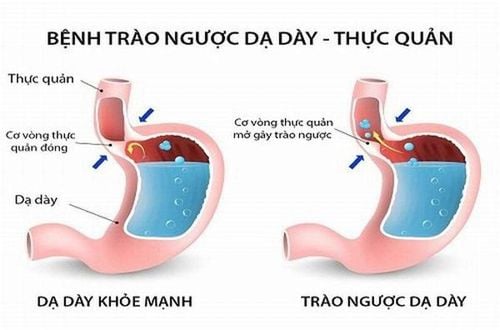
If you have undergone a kidney transplant, you may be wondering whether your diet will differ from the one you followed before the transplant. This article will provide additional information to help you plan your post-transplant diet, along with advice from doctors and nutritionists.
1. Kidney Transplant Surgery
A kidney transplant does not mean removing the diseased kidney and replacing it with a new one in the exact same position. Instead, the procedure involves transplanting a healthy kidney from a living donor or a well-functioning kidney from a brain-dead donor.
After kidney transplant surgery, in addition to strictly following the treatment plan prescribed by specialists, patients need to adopt a proper diet to maintain treatment outcomes, improve overall health, and enhance physical well-being.
2. Dietary Considerations for Post-Kidney Transplant Patients
2.1. Dietary Restrictions for Post-Transplant Patients
Following a kidney transplant, a special diet is required because nutrition continues to play a crucial role in maintaining the success of the transplant. However, if you previously underwent dialysis before receiving a kidney transplant, you may find that post-transplant dietary restrictions are easier to follow compared to the strict diet required during dialysis.

2.2. Do Medications Affect the Diet?
"What to eat after a kidney transplant?" is a common concern. Your diet may be influenced by the medications prescribed for your treatment. These medications are essential to prevent the rejection of the transplanted kidney. Some commonly used immunosuppressive drugs that can impact your diet include: Steroids (Prednisone), Cyclosporine (Sandimmune, Neoral, Gengraf), Tacrolimus (Prograf), Azathioprine (Imuran), Mycophenolate (CellCept), Sirolimus (Rapamune). The list of medications affecting post-transplant diets continues to grow as new drugs are developed. These medications can alter how your body functions in various ways. Some may increase appetite, while others can raise blood cholesterol, triglycerides, blood sugar, potassium levels, and blood pressure. Certain medications can also reduce magnesium and other essential minerals.
2.3. Risk of Weight Gain
Many patients experience improved appetite after a kidney transplant, leading to unintentional weight gain. To manage weight and blood sugar levels effectively, it is crucial to follow proper portion control and avoid high-calorie foods such as fatty foods, sugary treats, pastries and other high-fat or high-sugar foods. To control calorie intake, consider eating:
- Fiber-rich foods (leafy greens, fruits)
- Lean meats, skinless poultry, and fish
- Non-fat dairy products (such as skim milk)
- Sugar-free beverages (water, unsweetened tea, black coffee, or milk)
Maintaining a healthy weight helps reduce the risk of heart disease, diabetes, and high blood pressure. If you experience unwanted weight gain, you may need more exercise and a lower-calorie diet.
2.4. Cholesterol and Triglycerides
Your blood may have high levels of fats, such as cholesterol and triglycerides, which can increase the risk of cardiovascular diseases. However, you can lower these fats through:
regular exercise, a diet rich in fruits and vegetables.
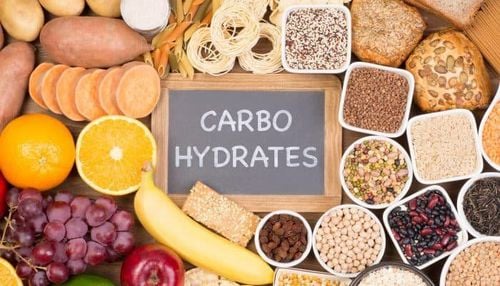
2.5. High-Carbohydrate Foods
Understanding high-carbohydrate foods is essential:
- Carbohydrates come from sugar and starch, providing fuel and energy for your body.
- When taking steroids, your body may struggle to process excess carbohydrates, leading to high blood sugar and an increased risk of diabetes.
2.6. Low-Sodium Diet
Most kidney transplant patients still need to limit their salt intake, although the required amount may vary from person to person. Immunosuppressive drugs, especially steroids, can cause the body to retain water and sodium, worsening issues such as kidney stone formation. Additionally, excess fluid retention can lead to high blood pressure, which must be controlled to protect your transplanted kidney. Your doctor will help determine the appropriate sodium intake for your specific condition. To reduce salt consumption, avoid high-sodium foods, including:
- Table salt
- Processed meats (ham, bacon, sausages)
- Deli meats (pork belly, Italian sausage)
- Packaged frozen dinners
- Instant noodles, boxed pasta, seasoned rice mixes
- Canned soups and pasta sauces
- Pickled foods (olives, pickles, sauerkraut)
- Salty snacks (salted chips, nuts, crackers, popcorn)
2.7. Protein Intake for Post-Transplant Patients
Protein is essential because:
- It helps build and repair muscles and tissues.
- It aids in healing after transplant surgery.
Immediately after the transplant, you may need higher protein intake to help rebuild muscle tissue weakened by high doses of steroids. Later, you can return to a moderate protein intake. Healthy protein sources include: meat, poultry and fish, milk, yogurt and cheese, eggs, peanut butter, beans, and peas.
2.8. Potassium Intake
If your transplanted kidney functions well, you can consume normal amounts of potassium from food. However, some transplant medications may increase potassium levels in your blood, while others may decrease them. Potassium-rich foods include: oranges and bananas, tomatoes and tomato-based products (e.g., pizza sauce, spaghetti sauce), potatoes, milk and yogurt
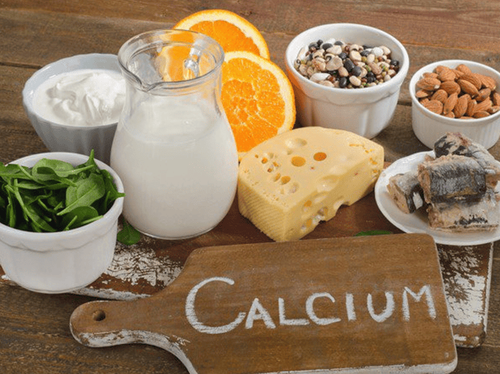
2.9. Calcium and Phosphorus Intake
If you had chronic kidney disease before your transplant, your body might have an imbalance of calcium and phosphorus, which are essential for bone health. In the months after transplantation, your doctor will monitor for bone loss and guide you on how to keep your bones healthy. Most adults should consume two servings per day from the dairy group, unless instructed otherwise by their doctor or dietitian. Good sources include: low-fat milk, cheese, yogurt. Your doctor may also recommend additional calcium, phosphorus, or vitamin D supplements. However, do not take any supplements without medical advice, as they may interfere with your transplant treatment.
2.10. Monitoring Your Diet After a Kidney Transplant
Diet continues to play a crucial role after a kidney transplant. It is important to maintain a healthy weight and exercise regularly. A balanced and nutritious diet helps prevent high blood pressure, high blood sugar, excessive weight gain, and promotes overall health and well-being.
After a kidney transplant, follow your doctor’s guidance to adopt a low-sodium, high-fiber diet. A balanced diet should include: A variety of fresh fruits and vegetables, lean meats, low-fat dairy products, whole grains, plenty of water.
Additionally, you may need to avoid certain foods. After transplantation, you will need to take immunosuppressive drugs or anti-rejection medications to prevent your body from rejecting the new kidney. However, these drugs weaken the immune system, making you more vulnerable to infections, including those caused by bacteria found in food. To reduce the risk of foodborne infections, follow these precautions:
- Handle food safely, such as washing hands frequently, especially after touching raw poultry or eggs.
- Be cautious when eating out.
- Avoid certain high-risk foods, as they are more likely to contain bacteria that can cause infections.
We hope this information has provided helpful insights into what to eat after kidney transplant surgery. Wishing you a healthy diet and an improved quality of life!
Reference source: kidney.org
To arrange an appointment, please call HOTLINE or make your reservation directly HERE. You may also download the MyVinmec app to schedule appointments faster and manage your reservations more conveniently.