Abdominal bloating is a common condition, prompting many patients to seek advice on foods to help prevent it from worsening. Proper hydration and selecting appropriate foods play crucial roles in alleviating abdominal bloating quickly. Continue reading this article to discover recommended foods for relief.
This article is written with professional guidance from the specialists of the Department of Gastroenterology and Hepatology at Vinmec International General Hospital.
1. What is abdominal bloating?
Bloating is a common digestive issue, often occurring in those who regularly consume fried foods, drink excessive alcohol, or lead a sedentary lifestyle. When bloated, patients may feel abdominal distension due to an increase in gas within the digestive tract.
To relieve this, they may experience belching, acid reflux, a burning sensation in the throat, and even nausea. So, what should patients eat when experiencing bloating and indigestion?
2. What foods should be consumed for indigestion and bloating?
To alleviate bloating, making dietary adjustments is essential. Below are some foods that may help improve this condition:
2.1 Ginger
Ginger is not only a widely used spice but also an herb with potent anti-inflammatory properties, effective in alleviating bloating symptoms.
It contains zingibain, a digestive enzyme that aids in protein breakdown. Furthermore, ginger relaxes the intestines, reduces colitis inflammation, enhances intestinal motility, and facilitates the movement of food through the digestive system.
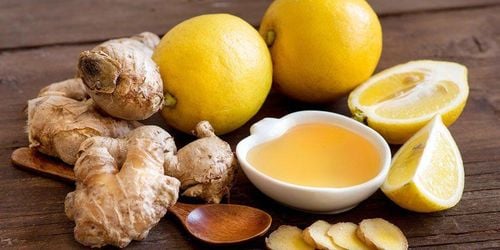
To alleviate bloating, patients may try ginger tea or ginger water with a splash of lemon juice, which can help ease discomfort quickly.

2.2 Cucumber
Inflammatory bowel disease can result from various factors, including autoimmune diseases, food allergies, or small intestinal bacterial overgrowth, all of which may contribute to bloating. Consuming cucumber is an effective method to alleviate symptoms associated with these conditions.
Cucumbers contain flavonoids, particularly quercetin, which are known to reduce inflammation and alleviate allergic reactions. Moreover, cucumbers are among the most water-rich vegetables, with approximately 96% water content. Incorporating cucumbers into the daily diet can help balance sodium levels, promote the elimination of excess fluids, and facilitate the release of trapped gas in the digestive system.
2.3 Banana
One of the causes of water retention in the body is excessive sodium intake. Potassium-rich foods aid in eliminating sodium and water, with bananas being particularly effective in reducing bloating due to their high potassium content. Therefore, when experiencing bloating, it is advisable to consume bananas regularly to alleviate the condition.
Consuming slightly green bananas is recommended for reducing bloating, as they contain more resistant starch and less fermentable sugar, making them effective in relieving bloating and preventing constipation.
2.4 Probiotic Yogurt
The human gut hosts a diverse microbiome, consisting of beneficial microorganisms that help regulate digestion and promote digestive health. Yogurt, rich in probiotics, contains live bacteria that support gut health and help alleviate inflammation.
Therefore, yogurt is a recommended food for indigestion and bloating. Incorporating yogurt into the daily diet can enhance flavor and support digestion.
2.5 Celery
Celery contains up to 95% water and is rich in potassium, making it an effective option for alleviating bloating symptoms. Additionally, celery provides soluble fiber, which supports digestive function by stabilizing and alleviating symptoms of constipation or diarrhea.
However, it is advisable to cook celery to soften the fibers that are hard to digest. Celery can be added to stews or soups for better digestion.
2.6 Chamomile tea, mint tea
Beyond being a cultural tradition, drinking peppermint and chamomile tea after dinner is effective in alleviating indigestion and bloating symptoms. These herbal teas are popular across cultures for their digestive benefits.
Chamomile tea, in particular, not only enhances digestive function but also promotes relaxation, supporting a better quality of sleep.
2.7 Papaya
Papaya contains the enzyme papain, which aids digestion and reduces gas buildup. It is also rich in fiber and vitamin A, making it beneficial for digestive health and overall well-being.
Ripe papaya can be consumed as a fruit or prepared as a papaya soup, both of which are delicious and nutritious. However, papaya should not be consumed by patients with gastrointestinal issues.
2.8 Pineapple
Pineapple contains bromelain, a digestive enzyme that helps break down proteins in the stomach, thus reducing bloating. If experiencing bloating or indigestion, consuming pineapple or drinking pineapple smoothies can help alleviate these symptoms.
2.9 Fennel
The compounds anethole, fenchone, and estragole in fennel seeds possess antispasmodic and anti-inflammatory properties, which assist in relaxing the intestinal muscles and reducing bloating. Moreover, fennel also has natural diuretic effects, aiding in the elimination of gas from the digestive tract.
2.10 Kiwi fruit
Kiwi is known to aid digestion due to the presence of actinidin, an enzyme that accelerates the digestive process. Additionally, it is a rich source of potassium and fiber, which helps prevent bloating effectively.
2.11 Lemon
The acid in lemon is similar to stomach acid, which helps alleviate bloating and other digestive discomforts. Therefore, drinking lemon water can effectively relieve these symptoms.
3. Certain dietary guidelines for effectively preventing bloating and indigestion.
In addition to understanding which foods to eat for bloating and indigestion, it is also essential to follow proper eating principles to effectively prevent these conditions:
- Eat slowly: Eating quickly tends to cause swallowing excess air, leading to bloating. Hence, eat slowly and chew thoroughly to minimize this issue.
- Limit the intake of fermentable carbohydrates: Those prone to bloating and indigestion should limit the consumption of dried fruits, broccoli, kale, and dairy products. These foods belong to the FODMAP group, which is poorly absorbed and easily fermented, causing excess gas and bloating.
- It is recommended to prioritize whole foods and minimally processed items: when experiencing bloating or indigestion, minimize processed foods and focus on plant-based foods, such as fruits and vegetables, in every meal.
- Avoid soda and carbonated drinks.
Knowing what to eat for bloating and indigestion helps patients make appropriate food choices to alleviate symptoms effectively. However, if bloating and discomfort persist despite healthy eating habits, it could indicate an underlying condition requiring attention. In such cases, it is important to consult a doctor for an accurate diagnosis.
To arrange an appointment, please call HOTLINE or make your reservation directly HERE. You may also download the MyVinmec app to schedule appointments faster and manage your reservations more conveniently.