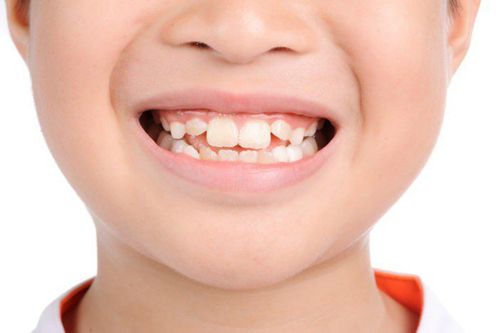
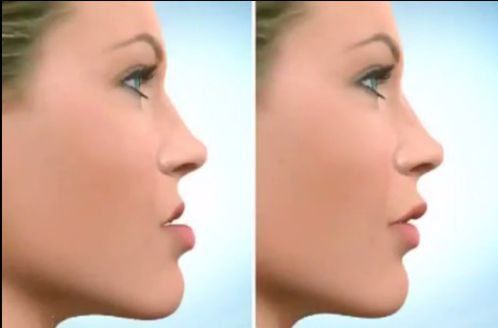
You may experience sunken cheeks and temples when wearing braces. So, what causes this phenomenon, and how can it be addressed?
1. What are sunken cheeks and temples when wearing braces?
Wearing braces is an aesthetic method used to adjust the teeth to their desired position, also giving you a more harmonious smile with the help of specialized tools. However, after removing the braces, you may notice that the cheeks and temples become deeply sunken. This condition, known as sunken cheeks and temples when wearing braces, can make the face appear unnatural and unbalanced, as it gives the face a hollowed, aged look and even can lead to lower self-confidence in some individuals.
2. What caused sunken cheeks and temples when wearing braces?
There are several reasons why wearing braces may lead to sunken cheeks and temples. However, this condition often improves after the braces are removed.
2.1. Weight loss due to dietary restrictions
When wearing braces, individuals are often required to follow a special diet, such as:
- Eating only soft, liquid foods and avoiding foods that are too hard;
- Avoiding certain meat dishes;
- Meat should be cut into small pieces or cooked until soft.
In addition, the discomfort and bulkiness of the orthodontic appliances can make eating more difficult, monotonous, and create a lack of desire to eat.
Moreover, during the initial days of each bracket tightening, the resulting tooth pain can make you even more uncomfortable and unwilling to eat anything.
All of these factors combined can affect the nutrient intake to some extent (usually in a decreasing direction), leading to weight loss, which results in the appearance of sunken cheeks and temples when wearing braces.
2.2. Sunken cheeks and temples due to bone loss
In some cases, to create enough space for tooth alignment, the orthodontist may recommend extracting a few teeth.
If the remaining teeth shift according to the treatment plan and fill in the gaps left by the extracted teeth, there would be no issues.
2.3. Unhealthy lifestyle habits
Stress, pressure, or lack of sleep are the primary factors that can negatively impact the effectiveness of orthodontic treatment. Additionally, poor lifestyle habits, such as irregular work and rest patterns, can contribute to the sunken appearance of the temples.
2.4. Nutrient deficiency
If the body does not receive enough nutrients during orthodontic treatment, it can lead to the appearance of sunken temples and cheeks. Furthermore, an unbalanced diet can also result in various oral health issues, such as tooth decay and gingivitis, especially while wearing braces.
2.5. Improper tooth extraction
Typically, before starting orthodontic treatment, the orthodontist may recommend extracting the first premolar to create space for rearranging the teeth. However, if this procedure is performed by an inexperienced dentist, it can affect the jawbone and potentially lead to bone loss around the tooth socket, causing sunken cheeks.
2.6. Incorrect orthodontic technique
This is another issue stemming from the expertise of the orthodontist. If the orthodontist applies excessive force when tightening the brackets, it can directly affect the jaw joint and tooth roots, leading to the condition of sunken temples during orthodontic treatment.
2.7. Sunken cheeks and temples due to stress
Another factor that can contribute to the appearance of sunken cheeks and temples during orthodontic treatment is stress.
Feelings of lack of confidence, fear of the braces being visible when you smile, or tooth pain at night affecting your sleep cycle can build up and eventually lead to stress.
This stress indirectly impacts your overall health, and over time, it can cause your face to appear smaller and contribute to the sunken cheek effect during orthodontic treatment.
3. How to address sunken temples when wearing braces
3.1 Maintain a balanced diet
It is important to understand the proper dietary restrictions as advised by your orthodontist and avoid excessive food limitations. During the orthodontic treatment process, you should follow a balanced diet that includes adequate fats, proteins, vitamins, and minerals, etc
You can consult with your dentist or a nutritionist to receive guidance on a diet that suits your needs. This approach will help you maintain a healthy weight and prevent the occurrence of sunken cheeks and temples.
3.2. Establish a healthy lifestyle
In addition to a proper diet, you should also adjust your daily routine to be more scientific and focus on improving your overall health.
Furthermore, it is essential to practice thorough oral hygiene using a toothbrush recommended for braces wearers, and incorporating dental floss for optimal results to prevent infections.
3.3. Keep a relaxed mindset
With the advancements in modern dental technology, you can be confident in the quality of the braces and wires used during the treatment.
Furthermore, if issues such as loose or broken brackets occur, your dentist will assist in resolving them promptly. Therefore, there is no need to worry excessively about these concerns during your orthodontic treatment.
It is important to maintain a calm and relaxed mindset, avoid excessive stress, and follow a balanced lifestyle. This will significantly reduce the likelihood of experiencing sunken cheeks and temples during wearing braces.
3.4. Follow the orthodontic treatment plan
Adhere strictly to the orthodontist's instructions and monitor any changes or unusual issues with your teeth to report to your dentist.
Be sure to attend regular check-up appointments, where the orthodontist can assess the condition of your teeth and identify any potential risks that could cause sunken cheeks.
This is an effective method to address the issue of sunken cheeks and temples during orthodontic treatment, ensuring the best possible outcome.
3.5. Choose a reliable dental clinic
Selecting a trusted dental clinic with a team of highly skilled specialists and good service quality can significantly minimize the risks of sunken cheeks during orthodontic treatment.
Additionally, with a good clinic, you will receive maximum support and guidance before, during, and after your orthodontic treatment, especially regarding diet and lifestyle.
Therefore, choosing a reputable clinic for your braces treatment will help eliminate most of the causes of sunken cheeks and temples.
Before starting orthodontic treatment, make sure to thoroughly research and select a clinic with a good reputation and years of experience.
3.6. Use clear aligners (Invisalign)
As you know, sunken cheeks and temples from braces are often caused by disrupted eating habits and difficulty chewing. A simple solution is to consider switching to clear aligners if possible.
With aligners, you can easily remove them when eating, allowing you to enjoy any food comfortably. After eating and thoroughly cleaning your teeth, you can put the aligner back on to continue your orthodontic process.
In summary, sunken cheeks and temples during braces treatment can result from various factors. Understanding the causes of this condition will help you take effective measures to improve the situation.
To arrange an appointment, please call HOTLINE or make your reservation directly HERE. You may also download the MyVinmec app to schedule appointments faster and manage your reservations more conveniently.