Headaches can occur after an improper nap, even though a proper, sufficient, and scientifically planned nap offers many health benefits. Napping can help eliminate drowsiness, refresh the mind for the afternoon's work, improve memory, enhance concentration and creativity, balance brain function, and reduce stress.
This article has been professionally consulted by MD, Specialist level II. Pham Thi Son, Department of General Medicine & Outpatient Care, Vinmec International Hospital Hai Phong.
1. Causes of Headache After Napping
1.1 Incorrect Sleeping Posture
Sleeping in the wrong position—such as no pillow, using a pillow that is too hard or too high, having the head misaligned with the neck, lying on one side continuously, or sleeping face down without changing positions—can cause headaches and fatigue upon waking.
Office workers who nap by resting their heads on the desk often experience headaches because sitting while sleeping slows the heart rate, reduces blood flow to the brain, leading to cerebral hypoxia, which triggers headaches, fatigue, tinnitus, and numbness in limbs.
1.2 Excessive Nap Duration
A standard sleep includes 7-8 hours at night and 30 minutes to 1 hour for a nap. Oversleeping during naps leads the body from light to deep sleep, increasing neural inhibition, reducing cerebral blood flow, and slowing metabolism. Consequently, waking up feels exhausting, with headaches and dizziness.
1.3 Unsuitable Sleep Environment
Factors regarding the nap environment—such as cramped spaces, poor ventilation, extreme temperatures, excessive light, or too many plants—can negatively affect health, causing discomfort, fatigue, and headaches after waking.
1.4 Working Immediately After Waking
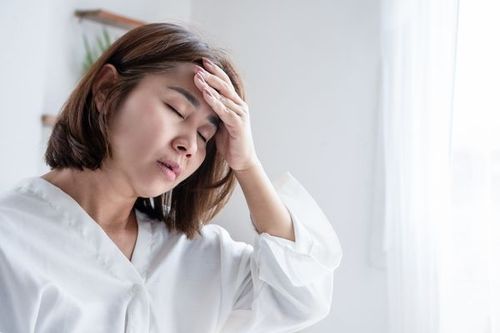
Some people start working right after waking, while the sleep inertia lingers for about 30 minutes. This can cause headaches and fatigue. To prevent this, it is recommended to engage in light activity for 5-10 minutes and drink a glass of water before starting work.
1.5 Consumption of Stimulants
Drinks and foods containing caffeine (coffee, tea, chocolate, carbonated drinks) act as stimulants and diuretics, leading to fragmented sleep and headaches after napping.
1.6 Use of Electronic Devices Before Napping
Prolonged use of computers, laptops, gaming devices, or smartphones before sleeping can cause difficulty falling asleep and result in headaches upon waking.
1.7 Cerebral Ischemia (Insufficient Blood Flow to the Brain)
If other causes are excluded, headaches after napping might be due to cerebral ischemia. Symptoms include dizziness (especially when changing posture), restless sleep, daytime sleepiness, tinnitus, hearing loss, blurred vision, pain, and numbness. Cerebral ischemia affects both nap and nighttime sleep quality.
If you experience headaches or heaviness in the head after napping, understanding the cause is essential to improve nap quality and prevent headaches.
2. How to Relieve Headaches After Napping?
2.1 Develop Good Napping Habits
Limit naps to 15-30 minutes, avoiding naps longer than 40 minutes to prevent headaches. Eliminate stimulants such as alcohol, coffee, chocolate, tobacco, and processed foods.
2.2 Dietary Adjustments
To reduce headaches after napping, incorporate the following foods into your diet:
- Spinach: Rich in riboflavin (vitamin B2), proven to help prevent headaches.
- Whole grains: High in fiber and magnesium, which help soothe headaches.
- Dairy products: Provide protein, calcium, and amino acids essential for brain health and headache reduction.
- Fatty fish (salmon, mackerel, tuna): High in omega-3 fatty acids with anti-inflammatory properties that may alleviate headaches.

2.3 Head Massage Techniques
Massage the temples gently to relieve headache symptoms caused by napping.
- Pressing the temple acupoints: Use your hands to press the acupoints on both temples to relieve headaches caused by waking up from a nap. Usually, some gentle acupressure and massage techniques can be used to help relax the nerves and improve blood circulation to the organs.
- Resting after waking up: After waking up, you should not start working immediately, but instead relax for a few minutes before beginning the afternoon’s tasks.
To ensure effective naps and prevent headaches, pay attention to posture, sleep environment, avoid stimulants, and rest briefly after waking. If headaches persist and affect daily life, consult a neurologist for diagnosis and appropriate treatment.
To arrange an appointment, please call HOTLINE or make your reservation directly HERE. You may also download the MyVinmec app to schedule appointments faster and manage your reservations more conveniently.