The emergence of acne on the chin is a rather uncomfortable condition as it frequently causes pain and recurs multiple times. In fact, acne on the chin can rapidly proliferate along the jawline and can develop quickly within just one night. This condition is associated with hormonal levels in the skin of the affected individual.
1. How does the presence of acne on the chin manifest?
According to dermatologists, the occurrence of acne on the chin is largely attributed to hormonal disturbances and hereditary factors.
Acne on the chin affects women more than men. Women over the age of 23 who experience acne often find it predominantly located on the chin, jawline, and lower cheeks. In fact, the acne that occurs in adult women is markedly different from that seen during adolescence.
Acne on the chin typically presents as cystic acne (large, red bumps) or papules (whiteheads that do not rupture at the surface), which are caused by an increase in the production of natural oils beneath the skin.
Normally, the skin secretes a thin layer of oil that is distributed across the surface to maintain its softness and sheen. However, when oil production is excessive, the surplus can combine with various debris on the skin’s surface, leading to clogged pores. This serves as a conducive environment for the development of acne.
Moreover, the chin is a region that individuals frequently touch, such as resting their hands on their face, which can introduce additional dirt and distribute oil and sebum.
Dermatologists also advise that regardless of the underlying causes of chin acne, it should be left undisturbed and not squeezed.
2. What are the causes of acne formation on the chin?
2.1 Hormonal Imbalance Related to Menstrual Cycle
Dermatologists indicate that acne lesions on the chin tend to appear during the latter half of the menstrual cycle or pre-menstrually, just before menstruation. This phenomenon can be explained by the increased levels of estrogen in the blood during the first half of the cycle, which are then overshadowed by progesterone from day 14 to day 28. At this time, the body also produces increased testosterone, which heightens the size and activity of sebaceous glands in the skin. Consequently, the sebaceous glands enlarge, leading to increased pore blockage. As a result, there is greater space for bacteria to invade and generate lesions on the skin.
2.2 Sleep Disturbances
Recent studies have demonstrated that the risk of psychological stress increases by 14% for each hour of sleep lost in one night. This can lead to abnormalities in skin structure and function.
Another factor linking sleep deprivation to the formation of acne is the increased insulin resistance. This causative factor for acne can be explained by the fact that insulin resistance can lead to elevated blood glucose levels, which is one of the primary causes of acne.
Furthermore, psychological and physical stress escalates the levels of the stress hormone (cortisol) in the body. Thus, when adequate sleep is not obtained, the skin appears dull, lacking in suppleness and radiance. Additionally, cortisol also plays a role in sebaceous production, making the skin more prone to the development of acne.

2.3 Use of Contraceptive Pills
The hormones present in combination contraceptive pills can help combat the emergence of acne, as they reduce circulating androgen levels in the bloodstream, indirectly decreasing sebum production. However, abruptly discontinuing these contraceptives can trigger a rebound of these hormones, leading to excessive sebum production and creating conditions favorable for acne formation.
2.4 Improper Use of Face Masks
The primary reason for the development of acne on the chin after face mask use is due to the skin being suffocated, with airflow and humidity being trapped. Concurrently, sweat and oil on the skin are also retained, creating an ideal environment for bacteria to proliferate, leading to clogged pores and the emergence of acne lesions on the chin.
3. How to improve the condition of acne on the chin?
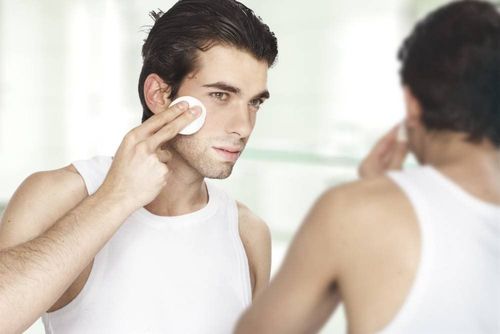
To treat acne, the first step is to establish a daily skincare routine that includes washing the face in the morning and evening with a gentle cleanser to remove excess oil and dirt from the skin. Products containing ingredients such as salicylic acid (which is key in treating acne as it helps break down oil secretion structures in pores), glycolic acid, and benzoyl peroxide should be sought.
All of these ingredients help to dissolve the bonds between dead skin cells, eliminate them from the skin's surface, and dissolve excess oil without disrupting the skin's pH balance.
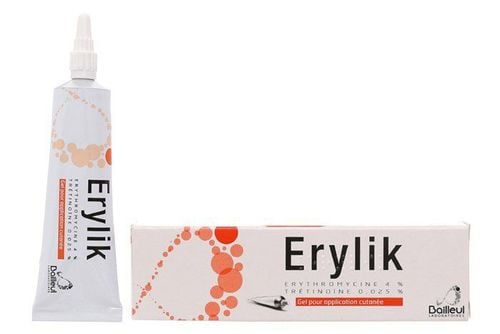
Another highly effective product worth trying is retinol. Not only does this ingredient possess anti-aging properties, but it also effectively unclogs pores, providing benefits for acne treatment.
If over-the-counter acne products mentioned above do not yield results, it is advisable to consult a dermatologist for prescription treatments, such as antibiotics, benzoyl peroxide, or topical or oral retinoids.
Once the acne on the chin has healed, leaving behind post-inflammatory hyperpigmentation such as brown or red spots, the use of alpha hydroxy acids, such as glycolic and lactic acids, may assist in fading these marks.

4. What types of foods can help eliminate acne on the chin?
Unfortunately, there is no miraculous diet that can reduce the appearance of acne on the chin. This condition is largely a direct result of the interplay between hormonal changes and genetic factors in the body, rather than being related to consumed food.
However, a small subset of individuals may have sensitivity to dairy, and for these individuals, limiting the intake of cow's milk, cheese, and yogurt should be considered to help reduce the formation of acne on the chin.
In summary, chin acne is a common phenomenon that can occur throughout adulthood, particularly in women. Hormonal imbalance often plays a role in stimulating excess oil production on the chin, which can trap dead skin cells, dirt, and bacteria, contributing to the development of acne. However, individuals can prevent the progression of acne on the chin by practicing good skincare hygiene. Additionally, should acne develop, it is important to adhere to treatment methods starting with topical ointments and medications or as directed by a dermatologist to promote prompt healing without resulting in unattractive scarring.
References: medicalnewstoday.com, womenshealthmag.com, teenvogue.com
To arrange an appointment, please call HOTLINE or make your reservation directly HERE. You may also download the MyVinmec app to schedule appointments faster and manage your reservations more conveniently.