

This article was written by: Resident Doctor Nguyen Van Giap - Psychiatrist, Integrated Mental Health Care Center - Vinmec Times City General International Hospital.
1. What is forensic psychiatric evaluation?
Forensic psychiatric evaluation (also called psychiatric assessment for legal purposes) is a procedure carried out in coordination between healthcare, police, prosecution, and court systems to study the relationship between mental disorders and civil or criminal legal issues.
The tasks of forensic psychiatric evaluation include:
- Determining whether an individual has a mental disorder or psychiatric illness, and to what extent, and whether the condition is genuine or intentionally simulated. Based on this, the person’s legal responsibility for the alleged offense is assessed.
- Protecting the rights of patients and determining society’s responsibility for civil disadvantages they may face.
- Assessing civil behavior and legal capacity in civil cases where mental health issues are suspected.
2. Distinguishing Psychiatric Evaluation and Forensic Psychiatric Assessment
In healthcare and legal fields, psychiatric evaluation and forensic psychiatric assessment are often confused. However, misunderstanding their nature can lead to improper legal preparation or delays in necessary medical treatment.

Core comparison table:
| Criteria | Psychiatric Evaluation (Clinical) | Forensic Psychiatric Assessment (Legal) |
| Purpose | Medical: Diagnose illness and develop treatment plans to improve health. | Legal: Determine legal capacity and responsibility. |
| Output | Medical records, prescriptions, diagnostic tests (MRI, EEG). | Forensic assessment conclusion (admissible as court evidence). |
| Institution | Hospitals, clinics with psychiatric departments. | State-authorized forensic psychiatric organizations. |
| Nature | Voluntary, based on trust between doctor and patient. | Voluntary or mandatory, based on request from legal authorities. |
2.1. When do you need a psychiatric (clinical) evaluation?
This is a voluntary medical service performed at hospitals such as Vinmec when:
- You experience symptoms: insomnia, anxiety, depression, mood disorders, or memory decline.
- You need psychological counseling or specialized treatment (medication/therapy).
- You need mental health certification for studying abroad, employment, or insurance purposes.
2.2. When is a forensic psychiatric assessment required?
This process is mandatory or conducted upon legal request when legal validity is needed:
- Civil cases: Determining capacity to make a will, transfer assets, marry, or divorce.
- Criminal cases: Determining criminal responsibility at the time of the offense.
- Guardianship: Providing a basis for courts to appoint a legal guardian for a person lacking capacity.
3. What mental conditions are subject to forensic psychiatric assessment?
According to the official circular on forensic psychiatric procedures, assessments apply to 21 common mental disorders, including:
- Organic hallucinations, organic delusions, organic personality disorders, post-concussion syndrome.
- Mental and behavioral disorders due to alcohol or opioid use, schizophrenia, schizotypal disorder, delusional disorder, acute psychotic disorder, schizoaffective disorder.
- Manic episodes, bipolar disorder, depressive episodes, acute stress reactions, adjustment disorders.
- Paranoid personality disorder, schizoid personality disorder, antisocial personality disorder, emotionally unstable personality disorder, intellectual disability, epilepsy.
In Vietnam, common cases include depression, anxiety disorders, schizophrenia, substance-induced disorders, personality disorders, intellectual disability, and dementia.

4. Forms of psychiatric assessment
4.1. Inpatient psychiatric assessment
Assessment at a psychiatric evaluation facility. This form is applied in complex cases where diagnosis and determination of the individual’s behavioral (legal) capacity are difficult.
4.2. Outpatient psychiatric assessment
This form of psychiatric assessment is applied in simple cases where there are no difficulties in diagnosing or determining the individual’s behavioral capacity and legal responsibility.
4.3. On-site psychiatric assessment
This form is applied in cases where the person being assessed is in custody and cannot be transported outside due to management difficulties and safety concerns.
4.4. Document-based assessment (also called assessment in absentia)
This form of psychiatric assessment is only applied when the person being assessed is missing, deceased, or in other cases as prescribed by law.
4.5. Supplementary assessment
This form is applied when the assessment conclusion is unclear or incomplete, or when new issues arise related to a case that has already been evaluated, or upon a request for additional assessment.
4.6. Re-assessment
This form is conducted when the initial assessment conclusion is found to be inaccurate.
4.7. Second re-assessment
If there is a discrepancy between the initial conclusion and the re-assessment conclusion for the same content, and the requesting authority decides so, a second re-assessment will be conducted.
5. Medical examinations in psychiatric assessment
Clinical examination includes a detailed and thorough evaluation of all the subject’s functions and activities; internal medicine and neurological examinations; and other specialty examinations if necessary.
Paraclinical examinations in psychiatric assessment include necessary tests such as biochemical and hematological tests; urine tests; frontal or lateral chest X-rays; frontal and lateral skull X-rays; electroencephalography (EEG); electrocardiography (ECG); psychological tests; and other examinations such as rheoencephalography, brain CT scan or MRI, and HIV testing, depending on each specific case.
The examination process plays a very important role, from clinical observation to paraclinical findings. Physicians responsible for monitoring and assessment must have sufficient experience, knowledge, ethics, and professional integrity to make accurate diagnoses and assessment conclusions.
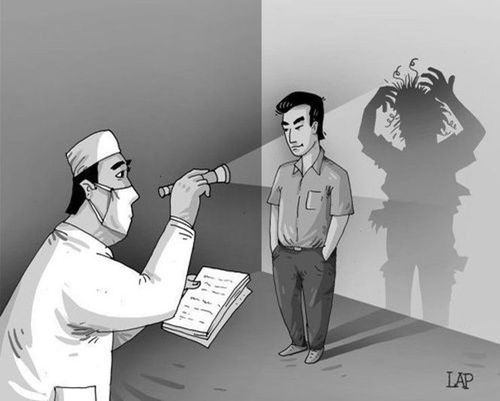
6. Is psychiatric assessment conducted by psychiatric hospitals and medical facilities?
It is important to clearly distinguish between “psychiatric medical records” and “psychiatric assessment conclusions.” Confusion often arises because people do not clearly understand the difference between the responsible institutions.
A medical record is created by psychiatric hospitals or healthcare facilities with psychiatric departments. Psychiatrists examine patients and order necessary tests to establish a diagnosis and treatment plan. All examination and treatment activities occur between the patient and the physician.
In contrast, psychiatric assessment conclusions are performed by forensic psychiatric assessment institutions and must include two key components: determining whether the individual has a mental disorder based on international classification standards, and evaluating their capacity to perceive and control behavior.
Psychiatric assessment is the process of determining mental disorders and evaluating a person’s cognitive and behavioral control abilities. It supports law enforcement agencies, courts, and prosecutors in investigations while also protecting the rights of the assessed individual.
To arrange an appointment, please call HOTLINE or make your reservation directly HERE. You may also download the MyVinmec app to schedule appointments faster and manage your reservations more conveniently.