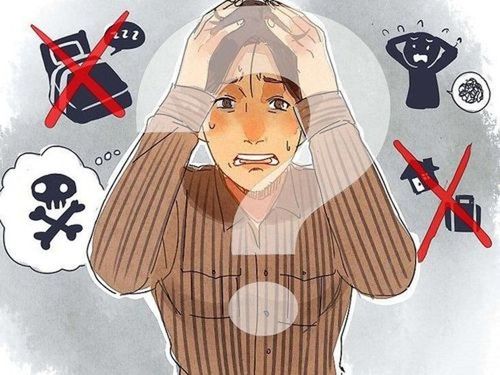

Supporting a loved one with schizophrenia requires proper understanding and patience. Discover five effective ways to help, skills to calm agitation, and the right time to seek professional intervention.
Nội dung được viết bởi: Bác sĩ nội trú Nguyen Van Giap - Bác sĩ Tâm thần, Trung tâm Chăm sóc Sức khỏe Tinh thần Tích hợp - Bệnh viện Đa khoa Quốc tế Vinmec Times City.
1. Basics about Schizophrenia
Schizophrenia is not “multiple personalities,” as is commonly misunderstood. It is a chronic brain disorder that disrupts the balance of thinking, emotions, and behavior. This condition is linked to an overactive dopamine system, causing patients to experience a reality different from those around them.
Symptoms are typically divided into two groups:
- Positive symptoms: Hallucinations (seeing, hearing, smelling, or tasting things that aren’t actually present), delusions (fixed false beliefs that don’t change even when proven wrong), disorganized thinking (lack of logical, coherent thought, often expressed through confusing speech), and abnormal behavior (such as agitation or unusual withdrawal).
- Negative symptoms: Social withdrawal, loss of motivation, and difficulty expressing emotions.
Understanding that these behaviors are caused by the illness-not the person’s character-is the first and most important step in providing support.

2. Ways to Support Someone with Schizophrenia
Supporting someone is not just about medical care-it’s about creating a safe environment for recovery.
Safe communication
People with schizophrenia are highly sensitive to their surroundings. Overreactions from loved ones can trigger agitation. Maintain a calm tone, avoid arguments, criticism, or excessive control. Give them personal space when needed to reduce pressure on their nervous system.
Listen & validate
When someone is experiencing hallucinations, don’t argue that “it’s not real.” Instead, say something like: “I don’t hear those voices, but I understand they’re making you feel scared.” This builds trust without reinforcing false perceptions.
Establish a stable routine
Chaos worsens schizophrenia. Maintaining a consistent daily schedule (mealtimes, sleep, medication) helps the person feel safe and reduces stress.
De-escalation skills
When the person becomes restless or agitated:
- Reduce stimulation: limit noise, dim lights, and avoid crowds.
- Keep communication simple: speak slowly, use short sentences, and maintain a respectful personal distance so they don’t feel threatened.

Encourage treatment adherence
Schizophrenia requires long-term treatment. Stopping medication is the leading cause of relapse. Offer gentle reminders or use a pill organizer to make taking medication a low-pressure habit.
3. When to Seek Professional Help
Family support is essential, but there are times when professional intervention is necessary:
- Signs of self-harm or harm to others: This is a medical emergency.
- Stopping medication: Especially when symptoms return strongly.
- Loss of basic self-care: Not eating, neglecting hygiene, or prolonged immobility.
- Caregiver burnout: The caregiver’s well-being is essential. If you feel overwhelmed, it’s time to seek support groups or family therapy.

4. Conclusion:
Supporting someone with schizophrenia is a long journey that requires patience and understanding. Advances in modern medicine-such as rTMS therapy, newer-generation medications, and family therapy techniques-can help manage symptoms effectively and open new possibilities for recovery.
References:
- PMC (NIH): Family interventions in Schizophrenia [PMC7049275].
- Open Minds: Five ways to help manage symptoms of schizophrenia.
- PMC (NIH): The Neurobiology of Schizophrenia Spectrum Disorders [PMC10990032].
- Spencer Mental Health: Tips for supporting someone with Schizophrenia.
- CPR Care: 7 Effective Tips for Calming a Schizophrenic Person.
To arrange an appointment, please call HOTLINE or make your reservation directly HERE. You may also download the MyVinmec app to schedule appointments faster and manage your reservations more conveniently.