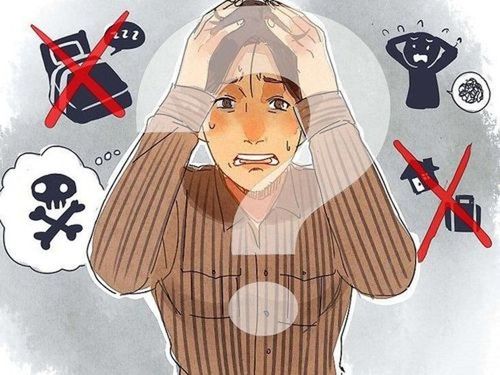

Schizophrenia is a severe mental disorder that affects how a person thinks, feels, behaves, and interacts with others. Without proper diagnosis, treatment, and monitoring, the condition can significantly impair academic, occupational, and self-care functions.
Written by: Dr. Huynh Thanh Tan (MSc., BS.CKI) - Psychiatrist - Integrated Mental Health Care Center, Vinmec Times City International Hospital.
1. What is Schizophrenia?
Schizophrenia is a chronic and severe mental disorder. Individuals with this condition often experience symptoms such as delusions, hallucinations, disorganized speech or behavior, and "negative symptoms" like reduced emotional expression, lack of motivation, or social withdrawal.
Early intervention is key to helping patients manage the most severe symptoms and lead fulfilling lives.
2. Common Symptoms of Schizophrenia
According to the Diagnostic and Statistical Manual of Mental Disorders, Fifth Edition (DSM-5), a diagnosis of schizophrenia requires the presence of at least two out of five core symptoms.
Specifically, at least one of these symptoms must be: delusions, hallucinations, and disorganized speech.
In addition to these symptoms, the diagnosis also depends on the duration of the symptoms and the exclusion of other mental disorders that may present with similar clinical features.
- Delusions: Fixed false beliefs that have no basis in reality. The most common type is "persecutory delusions," where the patient believes they are being watched, threatened, or harmed by others.
- Hallucinations: Sensing things that do not exist. Auditory hallucinations (hearing voices) are the most frequent form in schizophrenia.
- Disorganized Speech: Manifests as rambling, rapid shifting of thoughts without a clear goal, neologisms (making up words), or incoherent "word salad."

- Disorganized or Catatonic Behavior: Actions that are inappropriate for the context, such as aimless agitation or repetitive movements. In severe cases, catatonia occurs - where the patient becomes unresponsive or motionless despite being awake.
- Negative Symptoms: A "loss" of normal functions, such as loss of interest in daily life, social withdrawal, flat affect (monotone voice, lack of facial expressions), and decreased speech.
3. Who is at Risk?
Schizophrenia can affect anyone, regardless of gender or ethnicity. Symptoms typically emerge between the ages of 16 and 30.
Interestingly, many patients experience a prodromal phase - a period of weeks or years before the first full-blown psychotic episode - where subtle changes in thinking and behavior occur. Onset in childhood or after age 45 is rare.

4. Causes of Schizophrenia
Currently, scientists have not yet found the exact cause leading to this disease. Generally, factors related to this disease usually include: genetic factors, biochemical factors, environmental factors, and the impact of addictive substances. In addition, some problems with chemicals in the brain, such as glutamate and dopamine, or the activity level of certain areas in the brain can also be the cause leading to schizophrenia. This disease can also occur due to differences in brain structure, such as the loss of nerve cells leading to cavities or ventricles filled with fluid.
5. Classifications of Schizophrenia
Although the classifications of Schizophrenia are no longer considered separate clinical disorders, they still help doctors assess in detail and establish a more effective treatment regimen for the patient, including:
- Catatonic type: can be manifested in forms such as - echopraxia (imitating, automatically repeating the words or gestures of others), mutism (inability or refusal to communicate verbally), stupor (severe decrease in responsiveness to surrounding environmental impacts);
- Hebephrenic/Disorganized type: in this type, the patient usually does not show symptoms of hallucinations or delusions, but experiences a state of disorganization in behavior and language, such as - flat affect (inability to express emotions), language disorder, disorganized thinking, abnormal emotional reactions;
- Paranoid type: in this type, the patient may show symptoms such as - delusions, hallucinations, disorganized language, difficulty concentrating, difficulty in impulse control, and flat affect (the deficiency or loss of emotional expressions on the face and in the voice);
- Residual type: this type is relatively complex and easily confusing, usually including residual symptoms rather than active symptoms, such as - slow language, little focus on personal hygiene, psychomotor difficulties;
- Undifferentiated type: a term once used to describe cases where a patient has manifestations belonging to many different types of schizophrenia.
However, the above classification method is not yet completely accurate. Currently, experts consider schizophrenia as a type of spectrum disorder, including all previous subtypes. It is a group of related mental disorders that share some symptoms. They are like variants of schizophrenia in general and affect the patient's sense of reality. This group of mental disorders causes the patient to change their thoughts, feelings, as well as their actions.
The main difference between schizophrenia and similar disorders in the spectrum is the duration of symptoms and the presence of mood disorders. For example, Schizoaffetive Disorder will have a combination of psychotic symptoms with depression (major depressive disorder) or bipolar disorder. The patient may feel extremely hopeless or excessively excited, irritable. However, the key point for diagnosis is that the psychotic symptoms must appear independently (even when the mood is stable).
6. Treatment of schizophrenia
Schizophrenia treatment regimens include:
- Medication: Medications such as antipsychotics will usually be prescribed to reduce symptoms.
- Psychotherapy: Types of psychotherapy such as Cognitive Behavioral Therapy (CBT) for psychosis will also help patients understand more about how thinking affects behavior.
- Rehabilitation: Patients can refer to support services such as training programs aimed at developing individual resilience training in workplace or school environments.
Understanding schizophrenia is the first important step to treating it effectively - and it can be complex. You shouldn’t have to face this journey alone - at Vinmec’s Integrated Mental Health Care Center, we are here to walk it with you.
To arrange an appointment, please call HOTLINE or make your reservation directly HERE. You may also download the MyVinmec app to schedule appointments faster and manage your reservations more conveniently.