
This article was professionally consulted by Đặng Thị Ngọc Chương, Specialist level I, MD - Pediatrician - Neonatology Department, Vinmec Central Park International General Hospital.
Infants, defined as children between one month and one year of age, undergo rapid growth and development but have an underdeveloped immune system. As a result, they require meticulous care and protection to ensure optimal health. Among the infectious diseases that pose a significant risk to infants, Dengue Fever is a major concern.
1. Dengue fever in infants
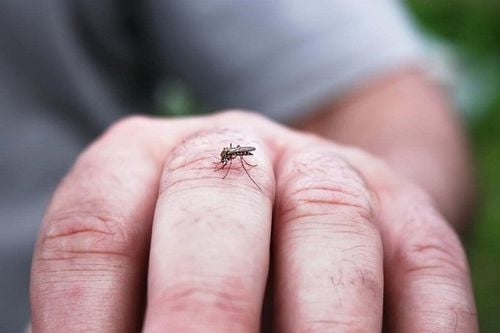
Dengue fever is caused by the Dengue virus, transmitted through the Aedes mosquito's bite. This mosquito-borne infection affects individuals of all age groups, but the disease can progress rapidly in infants and is often difficult to diagnose in its early stages.
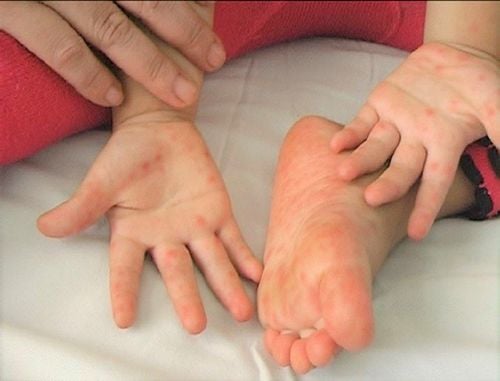
Since infants are unable to verbalize typical symptoms such as headache, abdominal pain, or general discomfort, dengue fever may go undetected until more severe signs appear, including petechiae (subcutaneous hemorrhages), hematemesis (vomiting blood) or hematuria (blood in urine).
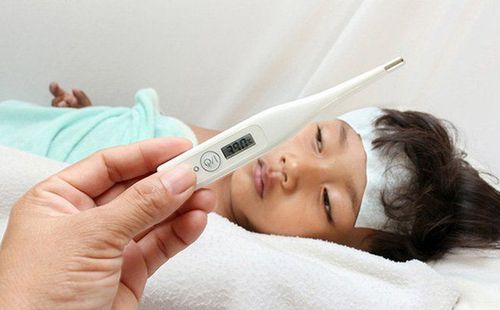
Moreover, the initial manifestations of dengue fever in infants, such as cough, nasal congestion, and loose stools, are frequently mistaken for common respiratory or gastrointestinal infections. Due to this diagnostic challenge, parents should seek medical attention if their infant experiences a fever lasting more than two days. Early clinical evaluation and laboratory testing are crucial for timely diagnosis and appropriate intervention.

2. Preventive Measures Against Dengue Fever in Infants
Since mosquitoes primarily transmit dengue fever, effective vector control and bite prevention are essential. Parents and caregivers should adopt the following protective measures: Ensure that infants sleep under mosquito nets at all times, including during daytime naps. Dress infants in lightweight, long-sleeved clothing to minimize skin exposure. Avoid placing infants in dimly lit areas, as mosquitoes are more active in low-light environments. Maintain proper household sanitation by eliminating stagnant water sources, such as uncovered containers, jars, and water tanks, which serve as mosquito breeding sites. Additionally, introducing larvivorous fish (e.g., guppies) into water storage areas can help control mosquito larvae.
During a dengue outbreak within the community, families should consider temporarily relocating infants to a lower-risk environment to minimize exposure to infected mosquito vectors. This precaution is critical in high transmission rates, as infants are more vulnerable to severe disease progression.
3. Etiology of Dengue Fever in Infants
Dengue fever in infants is caused by the Dengue virus, which is transmitted primarily through the bite of the Aedes mosquito. When a mosquito feeds on the blood of an individual infected with dengue, the virus remains in its salivary glands. If the mosquito subsequently bites an infant, the virus is introduced into the bloodstream, leading to infection.
Dengue fever cannot spread directly from person to person without the involvement of a mosquito as a transmission vector.
The Dengue virus consists of four serotypes (DENV-1, DENV-2, DENV-3, and DENV-4). An infant may develop dengue fever after infection with any of these serotypes. However, infection with one serotype does not confer lifelong immunity against the others. Consequently, an individual can contract dengue up to four times in their lifetime if exposed to different serotypes, highlighting the importance of preventive measures.

4. Signs of Dengue Fever in Infants
● High fever, sudden rise in body temperature
● Loss of appetite, bloated abdomen, excessive crying
● Appearance of red spots under the skin
● Vomiting or passing blood in stool
● Nosebleeds
Infants with dengue fever are at high risk of life- threatening complications due to their weak immune systems. Mothers should proactively provide nutrients and immunity support by exclusively breastfeeding for the first six months
of life.
The pediatric department at Vinmec International General Hospital is a trusted destination for diagnosing and treating common illnesses in newborns and young children, including viral fever, bacterial fever, otitis media, and pneumonia. With modern medical equipment and a sterile environment, the hospital minimizes the risk of disease transmission. Moreover, the experienced and dedicated pediatricians ensure that medical examinations are no longer a concern for parents.

To arrange an appointment, please call HOTLINE or make your reservation directly HERE. You may also download the MyVinmec app to schedule appointments faster and manage your reservations more conveniently.