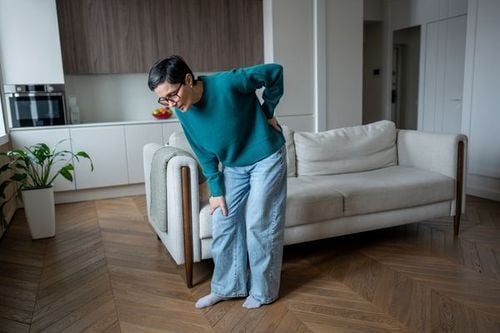
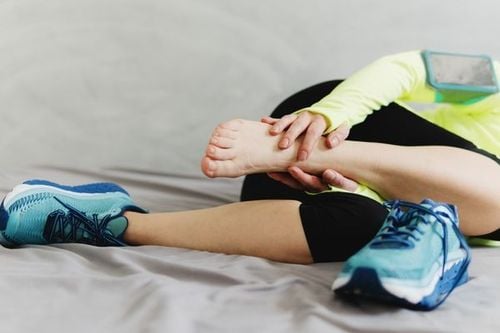
The incidence of low back pain in women increases significantly with age, especially after menopause. Identifying the causes of low back pain in women can help establish earlier and more effective preventive strategies.
1. The Most Common Causes of low Back Pain in Women
1.1 Piriformis Syndrome
Women may experience low back pain due to spasms in the piriformis muscle, a large muscle located deep in the buttock region. Hormonal changes and pregnancy-related alterations in the pelvic area make women more susceptible to pain near the low back and buttocks. The pain can irritate or compress the sciatic nerve, causing radiating pain down the back of the leg. This condition is often mistaken for spinal-related low back pain in women. Patients typically report pain in the buttocks and hips, especially during hip movements, as well as discomfort when getting out of bed or sitting for prolonged periods. One of the simplest ways to relieve this pain is to lie flat on the back.
1.2 Sacroiliac Joint Dysfunction
The sacroiliac joint connects the low spine to the pelvis. Problems with this joint are a common cause of low back pain near the buttocks in women. Women tend to have smaller sacroiliac joint surface areas compared to men, which can increase stress across the joint. This anatomical difference may lead to a higher risk of sacroiliac joint misalignment, particularly in younger women. The pain is usually dull or aching in the low back but can flare up with sharp pain radiating down the thigh. It is often confused with sciatica. Pain may worsen when sitting or climbing stairs.
1.3 Spinal Osteoarthritis
This is a common form of arthritis in women, typically affecting the facet joints (the joints connecting vertebrae), with risk increasing with age and/or body weight. low back pain in women due to this cause results from the degeneration of fibrocartilage in the joints. Without this cushioning, bones may rub against each other, causing pain in the low or upper back, groin, buttocks, and thighs. low back pain near the buttocks, accompanied by morning stiffness and sudden flare-ups on one side of the back during bending, is characteristic.
1.4 Spondylolisthesis
This condition occurs when a vertebra slips forward over the one below due to spinal degeneration. It is more common in postmenopausal women due to low estrogen levels. Reduced estrogen accelerates the degeneration of spinal discs and loosens the ligaments that hold the vertebrae together, causing spinal instability. Typically, this leads to low back pain radiating to the legs and worsens with walking due to spinal cord compression. Patients may find relief by bending forward to reduce spinal pressure.
1.5 Coccyx Pain
This pain often results from injury or chronic irritation and is more prevalent in women due to differences in pelvic shape and angle or childbirth trauma. The coccyx supports body weight when sitting. Women usually experience low back pain while sitting or standing up from a seated position, with relief when standing or walking.
1.6 Endometriosis
This cause of low back pain near the buttocks is exclusive to women. It is a gynecological condition where the tissue normally lining the uterus (endometrium) grows outside the uterus. Symptoms include painful menstrual cycles, severe abdominal pain, and often chronic low back pain, especially during menstruation.
1.7 Premenstrual Syndrome (PMS)
Another hormonal condition that can cause low back pain in women is PMS, which many women experience before their menstrual periods. The pain typically subsides at the start of menstruation and can be managed with home treatments such as heat therapy and over-the-counter pain relievers.
1.8 Pregnancy-Related Back Pain
Between 50% and 80% of women experience back pain during pregnancy. This is common due to significant shifts in the body's center of gravity, weight gain, and hormonal changes that soften ligaments in preparation for childbirth. Pain usually begins between the fifth and seventh months as the body adjusts. Most pregnant women report low back and tailbone pain. Lifestyle adjustments to alleviate discomfort include mindful sitting posture, regular breaks with walking or stretching, avoiding heavy lifting, monitoring weight gain, and wearing comfortable shoes. With physician approval, prenatal yoga and massage classes may also help. However, pregnant women should consult their obstetrician to rule out preterm labor if they experience low back pain.
2. Organs Causing low Back Pain in Women
Several organs, when irritated, inflamed, or injured, can contribute to low back pain in women.
- low back pain is not exclusive to women; anyone can experience it as an early symptom of appendicitis.
- The kidneys are another potential source of back pain. People may feel pain in the low back near the buttocks when suffering from a kidney infection. A more severe condition is kidney stones, which form when excessive chemical substances in the urine crystallize and create hard masses. These stones cause sharp pain when passing through the urinary tract, often resulting in stabbing pain in the low back and on one side of the body.
- Pancreatitis, or inflammation of the pancreas, can cause severe pain originating from the central abdomen and radiating to the back.
- The stomach can also cause intense back pain due to bloating or gas, and sometimes from stomach viruses.
- Specifically in women, the ovaries can cause back pain. Ovarian cysts are solid or fluid-filled sacs that develop on one or both ovaries. These cysts can press against other organs, leading to low back pain. Additionally, uterine fibroids may also cause low back pain near the buttocks in women.
In summary, back pain is one of the most common medical complaints, affecting 8 out of 10 adults. However, some causes of low back pain in women are related to their anatomy or hormonal factors. Chronic back pain can be difficult to manage because it makes even simple tasks or movements challenging. Nevertheless, sudden and severe low back pain near the buttocks should not be ignored. It is best for women to consult a doctor promptly if home treatments fail to relieve the pain or if acute or chronic pain interferes with daily activities.
To arrange an appointment, please call HOTLINE or make your reservation directly HERE. You may also download the MyVinmec app to schedule appointments faster and manage your reservations more conveniently.