This article was written under the professional guidance of MA, MD Nguyen Thi Han, Obstetrician and Gynecologist, Women's Health Center, Vinmec Times City International Hospital.
Many women wonder whether cervical polyps are dangerous, as this is a common condition that significantly affects fertility. Cervical polyps originate from chronic inflammation of the cervix. Although cervical polyps are generally benign, women should still take preventive measures to safeguard their health.
1. What Are Cervical Polyps?
Cervical polyps are a common condition among women, affecting approximately 2-5% of the population, so it is not uncommon for many to wonder whether cervical polyps are dangerous?
This condition is most frequently seen in women over 20 years old, particularly those who have given birth to two or more children. It is rare in girls who have not yet started menstruating.
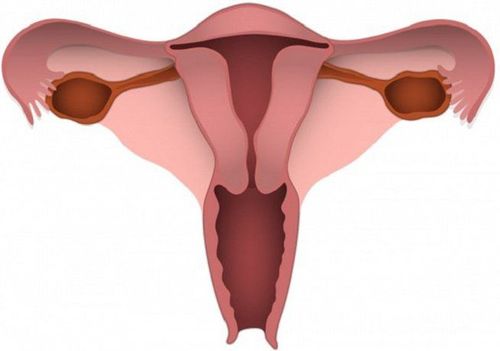
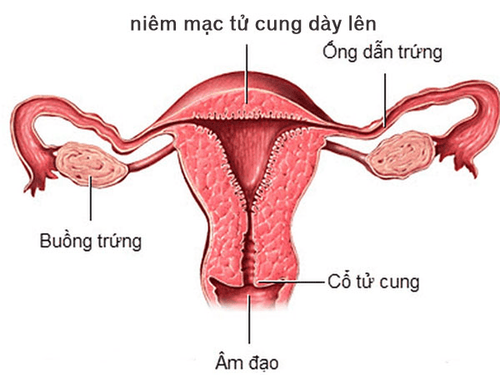
Cervical polyps are abnormal tissue growths that protrude from the cervix, which is the junction between the uterus and the vagina. These polyps typically appear light red, purplish-red, or pale gray and can take on various shapes, resembling a finger, an onion bulb, or a thin stalk.
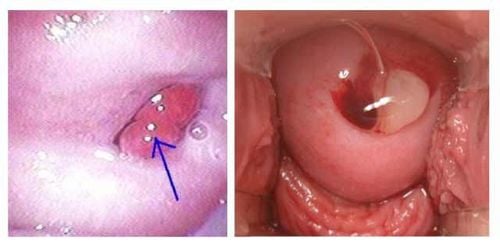
By nature, cervical polyps are typically benign tumors formed from cervical stroma, covered by epithelial tissue, and may originate from the cervical canal. Polyps may or may not have a stalk.
Approximately 1% of cervical polyps have the potential to become malignant. The primary cause of this condition is chronic inflammation or persistent infections of the cervix. Polyps can vary in size, ranging from just a few millimeters to several centimeters, similar in size to a grain of rice or larger (with some exceeding 10 cm in diameter).
Women often feel anxious when experiencing unusual symptoms in the vaginal area, as this region is highly sensitive and crucial to reproductive health. Therefore, if any abnormal signs are detected, it is essential to consult a doctor as soon as possible for timely treatment, preventing potential complications that could impact fertility.
2. Causes and Symptoms of Cervical Polyps
The exact cause of cervical polyps has not been clearly identified due to a lack of in-depth research, but infections are considered one of the primary contributing factors. Additionally, several other factors may play a role, including:
• Chronic inflammation
• Abnormal response to estrogen levels
• Blood vessel obstruction near the cervix
• Cervical infections
• Age: The risk increases with age and is more prevalent in women aged 45–65
• Overweight or obesity
• Postmenopausal women undergoing hormone replacement therapy
Cervical polyps often do not present clear symptoms, making early detection challenging. Approximately two-thirds of cases are asymptomatic and are only discovered during routine gynecological exams, Pap tests, or other medical procedures.
Some polyps may cause excessive bleeding during menstruation or after sexual intercourse. Others can become infected, leading to thick, pus-like vaginal discharge. Polyps typically have a diameter of less than 1 cm and appear reddish-pink. After menopause, some patients may continue to experience bleeding or foul-smelling vaginal discharge due to infection.
3. Are Cervical Polyps Dangerous?
Although most cervical polyps are benign, some cases may carry the risk of complications, leading many women to wonder whether cervical polyps are dangerous. These potential complications include:
• Small polyps may obstruct sperm movement, preventing fertilization.
• Larger polyps may block or completely seal off the cervix, posing serious health risks for women.
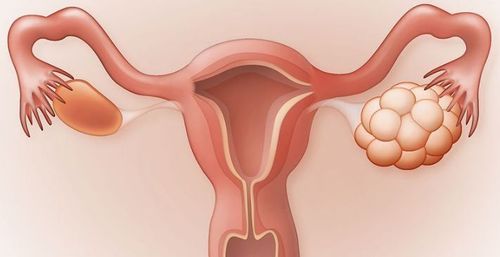
• Cervical polyps can negatively impact both daily life and reproductive health, reducing fertility.
• Additionally, cervical polyps can affect sexual health due to symptoms such as excessive vaginal discharge and abnormal vaginal bleeding. These symptoms may cause anxiety, discomfort, and a loss of confidence during intercourse, ultimately leading to decreased sexual satisfaction.
• While only 1% of cervical polyps have the potential to become cancerous, they can develop in various locations within the uterus, making early detection and treatment crucial.
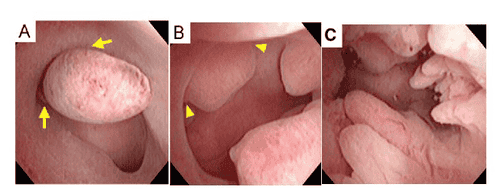
4. Can Cervical Polyps Become Cancerous?
Many women worry about whether cervical polyp removal is dangerous and whether these polyps can develop into cancer. The answer is that while most cervical polyps are benign, a small percentage can progress to cancer or precancerous conditions. The risk of malignancy is higher in postmenopausal women or those experiencing abnormal vaginal bleeding. If a polyp is detected, women should visit a medical facility for a biopsy to rule out cancer.
5. Preventing Cervical Polyps
Currently, there is no proven method that is completely effective in preventing cervical polyps. However, women can minimize the risk by:
• Maintaining proper intimate hygiene to prevent infections, especially during menstruation and after sexual intercourse.
• Undergoing regular gynecological check-ups and Pap smear tests for early detection and timely treatment of cervical polyps.
• Seeking medical attention as soon as any abnormal symptoms appear.
• Wearing breathable underwear and using pH-balanced feminine hygiene products.
• Following a balanced diet and healthy lifestyle, while maintaining a healthy weight.

To help patients detect and treat gynecological conditions early, Vinmec International General Hospital offers a Basic Gynecological Screening Package. This package allows early detection of inflammatory diseases, making treatment easier and more cost-effective. It also includes screening for gynecological cancers (such as cervical cancer), even before symptoms appear.
The Basic Gynecological Screening Package is available to all women, regardless of age, and is especially recommended for those experiencing:
• Abnormal vaginal bleeding
• Menstrual irregularities, such as prolonged or irregular cycles
• Unusual vaginal discharge (foul odor, abnormal color)
• Pain or itching in the vaginal area
• Risk factors such as poor personal hygiene, unsafe sexual practices, history of abortion,...
• Other symptoms, including: abnormal discharge, itching, pain, or unexpected vaginal bleeding.
If you are experiencing any unusual symptoms or are concerned about whether cervical polyps are dangerous, it is advisable to consult a gynecologist for timely examination and advice.
Read more:
To arrange an appointment, please call HOTLINE or make your reservation directly HERE. You may also download the MyVinmec app to schedule appointments faster and manage your reservations more conveniently.