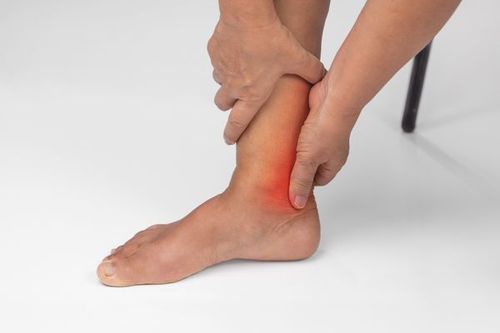
Leg pain can result from a wide range of conditions — some harmless, others potentially life-threatening, such as deep vein thrombosis (DVT). Understanding the underlying causes can help determine whether you can manage the symptoms at home or need medical attention.
Below are 10 common causes of leg pain:
Reviewed by: MSc, MD Le Duong Tien – Specialist in Internal Musculoskeletal Medicine, Department of Outpatient & Internal Medicine, Vinmec International General Hospital Da Nang.
1. Peripheral Artery Disease (PAD)
PAD occurs when arteries become narrowed, reducing blood flow to the limbs — most commonly the legs. This can cause weakness, numbness, cramping during walking, or coldness in the legs or feet.
Lifestyle changes like quitting smoking may relieve symptoms. If not, doctors may prescribe medications to alleviate symptoms or, in more severe cases, recommend surgical intervention.
2. Deep Vein Thrombosis (DVT)
DVT refers to the formation of a blood clot in a deep vein, typically in the thigh or lower leg. It may develop silently, but symptoms can include pain, swelling, warmth, or reddened skin in the affected leg.
Seek medical attention immediately if you notice any of these signs. A serious complication of DVT is pulmonary embolism (PE) — when part of the clot breaks off and travels to the lungs, which can be life-threatening.
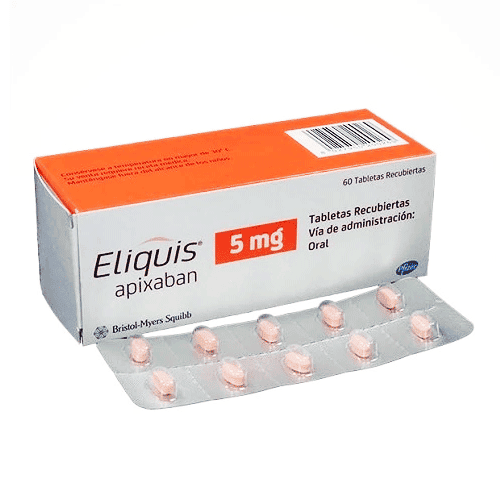
Treatment often involves anticoagulant medications to prevent clot growth or fragmentation.
3. Peripheral Neuropathy
This condition occurs when nerves that transmit signals between the brain and limbs are damaged. Diabetes is the most common cause, but other factors like infections, injuries, medications, or other diseases can also be responsible.
When the nerves in the legs are affected, symptoms may include tingling, numbness, burning sensations, or muscle weakness. Treatment depends on the cause and may involve pain management medications.

4. Electrolyte Imbalance
Electrolytes such as sodium, potassium, and calcium are essential for proper muscle function. Excessive sweating from exercise can lead to loss of these minerals, resulting in muscle cramps, weakness, or temporary paralysis.
Rehydration with electrolyte-rich fluids, dietary adjustments, or physical therapy can help. If cramps occur frequently, consult a doctor to identify any underlying issues.
5. Spinal Stenosis
Spinal stenosis is the narrowing of spaces within the spine, putting pressure on the nerves. This can lead to pain, tingling, numbness, or weakness in the legs.
Treatment options include medications, physical therapy, and — if conservative measures fail — surgery.
6. Sciatica
Sciatica refers to pain caused by compression or irritation of the sciatic nerve, the body’s longest nerve, which extends from the lower spine down to the feet. The most common cause is lumbar disc herniation. Symptoms usually begin gradually, starting in the lower back, radiating to the buttocks, thigh, and down to the foot. Treatment may include pain relievers, physical therapy, or surgical intervention in severe cases.
7. Arthritis
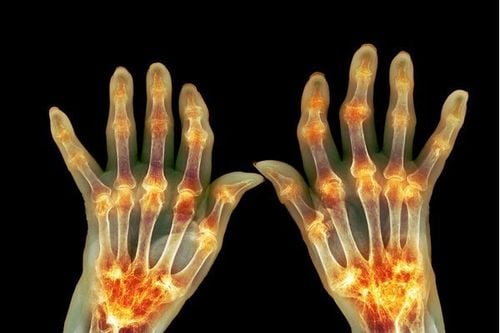
Arthritis causes joint pain, swelling, and stiffness, which can limit mobility and interfere with daily activities. While there is currently no cure, symptoms can be managed through regular exercise, weight control, and hot or cold therapy. Applying warm compresses or ice packs can reduce pain and inflammation.

8. Muscle Strain (Pulled Muscle)
A muscle strain occurs when a muscle is overstretched or torn, commonly during physical activity or sports. It causes sudden, sharp pain, and the affected area may be tender to the touch.
Treatment includes icing the area for 20 minutes several times a day and using over-the-counter pain relievers if needed.
9. Sprain
A sprain involves stretching or tearing of ligaments, the tissues that connect bones. Ankle sprains are the most common.
Symptoms include pain, swelling, and difficulty standing or walking. Initial treatment follows the R.I.C.E. protocol:
- Rest
- Ice (20 minutes per session, 4–8 times a day)
- Compression (wrap the joint with an elastic bandage)
- Elevation
An X-ray may be required to rule out fractures.
10. Muscle Cramp
Cramps usually affect the calves, characterized by sudden muscle tightness and sharp pain. They tend to become more frequent with age, heat exposure, or dehydration. While cramps typically resolve on their own, persistent or frequent episodes warrant medical advice.
Source: WebMD.com
To arrange an appointment, please call HOTLINE or make your reservation directly HERE. You may also download the MyVinmec app to schedule appointments faster and manage your reservations more conveniently.