Lumbar muscle strain is considered the primary cause of deep pain in the lower back, causing discomfort for patients. These pain episodes often interfere with activities of daily living. Therefore, when symptoms of back muscle strain appear, patients should consult a doctor for advice and support.
This article has been medically reviewed by Dr. Phan Ba Quynh - Orthopedic Trauma Center - Vinmec Times City International General Hospital.
1. What is lumbar muscle strain?
In individuals with lumbar injuries, tendons or muscles in the lower back are often stretched or torn, which easily causes lumbar muscle strain.
The muscles and ligaments in the back function to support the spine. When these structures are excessively stretched, lumbar muscle strain occurs. This condition weakens the muscles, making the spine unstable and causing back pain. Muscle strain commonly affects the quadratus lumborum (broad back muscle) or the lower back muscles.
2. Symptoms of lumbar muscle strain
Lumbar muscle strain often occurs after sudden movements, lifting heavy objects, or improper posture during prolonged activities (manual labor or wearing high heels). It can also be caused by vibrations during long drives, resulting in pain in the buttocks and legs, or due to cold exposure and sudden movements.
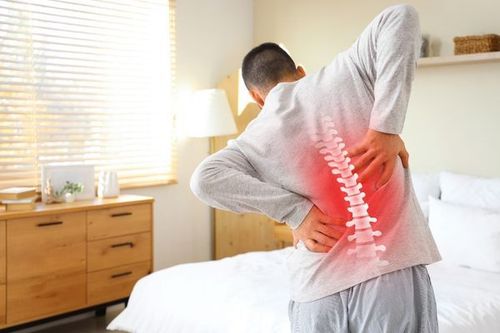
Abruptly performing a physical activity or improper posture over a period of time can lead to lumbar muscle strain
When experiencing back pain, patients often have muscle spasms near the spine, with spinal posture becoming misaligned and losing its natural curve. Doctors determine the pain location by pressing on the spinous processes or intervertebral spaces.
Some symptoms include pain when coughing, sneezing, or bending/stretching the back.
3. Causes of lumbar muscle strain
Overstretching of ligaments causes lumbar muscle strain. Causes include:
- Lack of activity leading to muscle weakness and injury risk.
- Obesity.
- Smoking.
- Frequent coughing.
- Sitting in one position for prolonged periods, which causes continuous contraction or tightening of the quadratus lumborum muscle, leading to fatigue. Reduced blood flow causes muscle stiffness and pain.
- Previous falls or injuries.
- Not warming up or stretching before sports increases the risk of muscle strain. Improper heavy exercise does not allow muscles to stretch which limits joint movement and increases strain and injury risk.
Activities causing lumbar fatigue, such as bending, lifting improperly, weightlifting, or twisting motions in sports

4. Are there treatments for lumbar muscle strain?
Because causes vary, doctors base treatment on cause, symptoms, and condition. For chronic mild pain, treatments include:
- Performing light activities and sufficient rest.
- Applying ice or heat to reduce pain and swelling.
- Following prescribed medication regimens.
- Regular light exercise.
- Bathing or soaking in warm water.
- NSAIDs (non-steroidal anti-inflammatory drugs) and muscle relaxants can reduce pain but require doctor supervision due to possible side effects like stomach pain, diarrhea, ulcers, headache, dizziness, hearing loss, or rash (NSAIDs), and drowsiness, dizziness, or rash (muscle relaxants).
- Physical therapy and exercises strengthen abdominal muscles, stretch, and improve lumbar muscle strength during and after recovery.

To minimize lumbar muscle strain pain, patients should:
- Lose weight if obese.
- Take medications as directed.
- Attend regular check-ups.
- Perform daily stretching and strengthening exercises.
- Maintain proper posture when sitting, standing, or lifting—especially bending knees when lifting heavy objects.
- Avoid carrying excessively heavy loads.

To arrange an appointment, please call HOTLINE or make your reservation directly HERE. You may also download the MyVinmec app to schedule appointments faster and manage your reservations more conveniently.