1. What is facial oil blotting paper?
All skin types produce oil. Sebaceous glands play a crucial role in secreting a thin layer of oil on the skin’s surface to keep it moisturized and protected. Oily skin is characterized by the hyperactive sebaceous glands leading to a shiny surface, clogged pores, and acne breakouts.
Oily or greasy skin is challenging to maintain, requiring careful selection and use of skincare products. Oily skin can be caused by various factors, including stress, medications, overuse of skincare products, or even sun exposure. Genetics is another unchangeable factor contributing to oily skin.
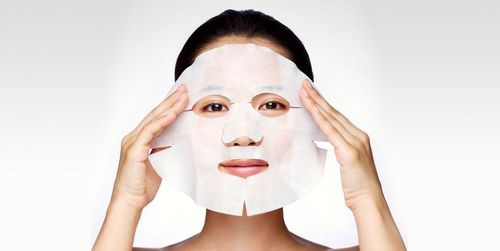
Excess oil on the skin, when combined with dirt, clogs pores and leads to acne formation. Facial oil blotting paper was created to absorb excess oil from the skin. This method helps cleanse the skin while preserving makeup. Some blotting papers simply remove oil, while others contain a thin layer of powder that remains on the skin to further absorb oil.
Using blotting paper throughout the day helps eliminate excess oil and prevents the skin from looking greasy. A useful tip when using facial oil blotting paper is to gently press it onto the oily areas to absorb the oil and then lift it off without rubbing it against the skin.
2. Does facial oil blotting paper dry out the skin?
Despite its benefits, oil blotting paper is surprisingly one of the causes of increased oil production. Using unnecessary skincare tools can lead to an overproduction of oil.
Nowadays, skincare tools are widely used, including oil blotting paper, acne extraction tools, facial cleansing wipes, facial cleansing brushes, exfoliating pads, pore strips, and more. While many products are marketed as "oil-controlling," their effectiveness is sometimes questionable.
So, is oil blotting paper harmful to your skin? The answer is yes. Oil blotting paper, like other skincare tools, can remove essential oils from the skin. In response, the skin is triggered to produce even more oil to compensate for the lost moisture.

Even though you may believe you are using the best routine for your skin, you could be making it worse. Oil blotting paper is one of the most commonly used tools for removing excess oil. However, excessive or frequent use can negate its benefits and cause more harm than good.
The truth is, your skin needs some oil. Overusing blotting paper or other oil-removing tools puts the skin into protective mode. Every day, your skin is exposed to oil, makeup, dust, and pollution. Pressing a blotting paper onto your skin removes some shine at a high cost. While a portion of the oil is absorbed by the paper, the remaining residue—dirt, makeup, and oil—is pushed back into your pores. This creates an oxygen-deprived environment within the pores, allowing P. acnes bacteria to thrive, leading to acne, blackheads, inflammation, and overall congestion. As a result, instead of resolving your oily skin issue, you might develop new breakouts.
Many brands claim to offer the best blotting papers for oily skin, but they do not address the root cause of oiliness. The most important aspect of caring for oily skin is identifying and eliminating its causes. This reduces oil production and makes your oil-control products more effective.
3. Skincare tips for oily skin
Having oily skin is entirely normal. Here are some important tips to maintain healthy skin:
3.1 Wash your face regularly
When caring for oily skin, the fundamental rule is to remove excess oil. Wash your face in the morning, evening, and after exercise. Be cautious to avoid overly harsh cleansers, which can irritate the skin and trigger excessive oil production. Instead, use a gentle foaming cleanser. For the same reason, avoid scrubbing your face too aggressively. Gel-based or bar cleansers tend to work better for oily skin than cream or oil-based cleansers.
3.2 Exfoliate
Exfoliate once every few days to remove dead skin cells which can trap sebum. When sebum mixes with dead skin cells, acne may develop.
3.3 Moisturize
Oily skin still requires moisturizer, especially if you use products that strip oil from your skin. Choose a lightweight, non-comedogenic moisturizer that won’t clog pores. In the morning, you can skip moisturizer and opt for sunscreen instead.
3.4 Use facial oil blotting paper only when necessary
Use blotting paper to absorb excess oil and control shine. This product is available at most convenience stores. Gently press the paper onto the skin without rubbing, as rubbing can spread oil.
3.5 Remove makeup before bed
Look for non-comedogenic makeup products and always remove makeup before bed. Choose a makeup remover that effectively cleans without requiring excessive rubbing. Micellar water has proven effective in removing water-based makeup and some of them can also help dissolve oily residue left by oil-based removers.

3.6 Avoid certain ingredients
You can find skincare products at various price points. Focus on reading labels and checking ingredients instead of relying on brand reputation. The following ingredients can clog oily skin:
- Cocoa butter
- Coconut oil
- Petroleum jelly
- Silicone
Additionally, avoid alcohol-based products, as they tend to irritate the skin.
3.7 Choose the right products
Take the time to find products containing proven oil-controlling ingredients. The following have been clinically tested to reduce oil:
- Green tea
- Niacinamide (a form of vitamin B3)
- L-carnitine (an amino acid)
- Licochalcone A (a phenol extracted from licorice root), which can help combat acne and control oil production. Clay masks have also been shown to help absorb excess oil.
When using new products, follow the instructions on the label. If you are trying a new product, test it on a small skin area first to ensure it does not cause irritation or worsen your condition.
Try to avoid touching your face throughout the day. Doing so can transfer bacteria, dirt, and additional oil to acne-prone areas.
While oily skin does not cause severe health issues, it may lead to embarrassment or decreased confidence. If oily skin is a persistent concern, consult a dermatologist, especially if the above remedies do not yield the desired results.
If you have any concerns, contact Vinmec International Hospital through the website to receive expert advice from experienced doctors.
To arrange an appointment, please call HOTLINE or make your reservation directly HERE. You may also download the MyVinmec app to schedule appointments faster and manage your reservations more conveniently.