Hand, foot, and mouth disease (HFMD) is a highly contagious infectious disease commonly seen in children. Although it usually resolves on its own within 5–7 days, improper management can lead to severe complications, including death.
In Ho Chi Minh City, the number of HFMD cases in September 2019 reached 6,573, doubling the cases recorded in August.
1. Recognizing Severe HFMD Symptoms Requiring Hospitalization
Severe HFMD can cause life-threatening complications if not treated promptly. However, many parents fail to recognize when hospitalization is necessary.
Medical experts recommend taking children to the doctor as early as possible to assess disease severity and receive an appropriate treatment plan. Parents should also watch for the following warning signs of severe HFMD:
Persistent, inconsolable crying
- The child cries continuously throughout the night or wakes up every 15–20 minutes crying. Many parents mistakenly attribute this to mouth ulcers, but it is actually an early sign of neurotoxicity.
High fever that doesn’t subside
- The child has a fever above 38.5°C lasting more than 48 hours, unresponsive to paracetamol. This indicates severe inflammation and neurotoxicity. In such cases, the child may need a special fever-reducing medication containing ibuprofen (only under medical supervision).
Frequent startling (myoclonic jerks)
- A serious sign of neurotoxicity. Parents should observe whether the child startles frequently, even while playing.
If your child exhibits any of these symptoms, seek medical attention immediately at a trusted healthcare facility for timely treatment.
2. Dangerous Complications of Hand, Foot, and Mouth Disease
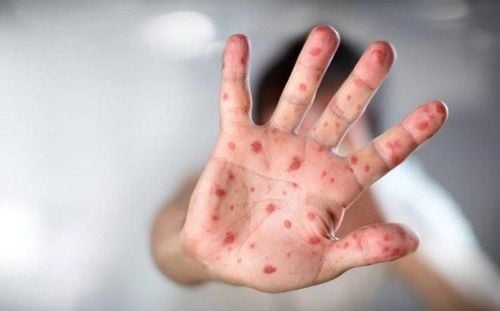
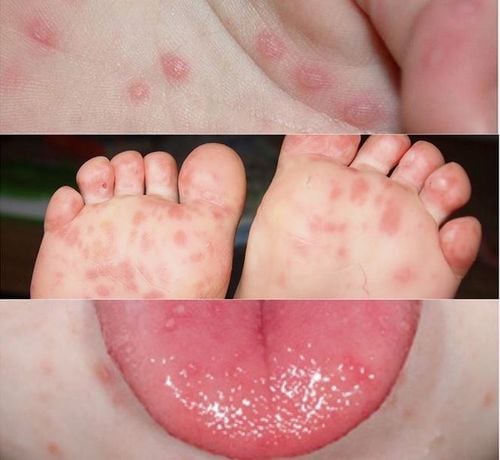
HFMD symptoms are easy to recognize if observed carefully. The disease is characterized by gray, oval-shaped blisters ranging in size from 2 to 10 mm appearing on the buttocks, knees, palms, and soles. These blisters are usually painless when pressed.
Blisters can also appear inside the mouth, and when they burst, they cause painful ulcers, making the child drool excessively, refuse to eat, cry frequently, vomit, and experience diarrhea.
Although most cases resolve on their own, if caused by Enterovirus 71 (EV71), HFMD can become extremely dangerous, leading to fatal complications, such as:
- Neurological complications: Meningoencephalitis, brainstem encephalitis
- Cardiovascular and respiratory complications: Myocardial damage, heart failure, circulatory collapse, acute pulmonary edema, and sudden death
3. Warning Signs of HFMD Complications
Depending on its severity, HFMD is classified into different stages:
- Grade 1: Only mouth ulcers or skin lesions present.
- Grade 2:
- Grade 2A: Startling less than 2 times per 30 minutes; Fever lasting more than 2 days or above 39°C, vomiting, lethargy
- Grade 2B: Startling more than 2 times per 30 minutes; Fever above 39°C unresponsive to antipyretics, tremors, unstable sitting, wobbly gait, frequent vomiting, changes in voice
- Grade 3: Weak limb movement, cranial nerve palsy, seizures, altered consciousness, coma
- Grade 4: Acute pulmonary edema, hypertension, circulatory collapse
Grade 1 can be managed at home, but from Grade 2 onward, hospitalization is required. Early detection of HFMD complications is crucial for timely intervention, preventing life-threatening consequences.

4. How HFMD Spreads
HFMD is highly contagious, especially in the first week of illness. However, transmission can still occur even after symptoms disappear. Some asymptomatic individuals (especially adults) can still carry and spread the virus. Modes of transmission:
- Close contact (e.g., hugging, kissing, sharing utensils)
- Respiratory droplets (coughing, sneezing)
- Fecal-oral route (e.g., during diaper changes)
- Direct contact with blisters (when they burst)
- Touching contaminated surfaces
5. How to Prevent HFMD
Hand, foot, and mouth disease (HFMD) is highly contagious, but proper hygiene and preventive measures can significantly reduce the risk of infection.
Personal Hygiene Practices: Wash hands frequently with soap under running water (for both adults and children), especially: After changing diapers or using the toilet; Before and after caring for children; Before eating or preparing food; After coming into contact with an infected person
Ensure food hygiene: Eat cooked food, drink boiled water; Clean eating utensils before use (preferably by soaking in boiling water); Use clean water for daily activities; Do not pre-chew food for children; Prevent children from putting hands or toys in their mouths; Avoid sharing utensils or unsterilized toys
Regular disinfection of frequently touched objects: Toys, school supplies, doorknobs, stair railings, tables, chairs, floors; Use soap or common disinfectants
Avoid close contact with infected individuals or those suspected of having HFMD.
Maintain a clean restroom environment: Properly dispose of patient waste; Use disinfectants to clean toilets and surfaces to prevent virus spread
Early Detection & Timely Medical Care: If a child shows HFMD symptoms, parents should seek medical consultation immediately, follow prescribed medications, and maintain hygiene to prevent complications that could endanger the child’s health.
Pediatric Care at Vinmec International Hospital provides comprehensive pediatric care, specializing in common childhood illnesses such as viral fevers, bacterial infections, dengue fever, bronchitis, pneumonia, and HFMD. With: State-of-the-art equipment ensures accurate diagnosis and effective treatment; Sterile, modern facilities minimize infection risks; Dedicated, highly experienced doctors provide expert pediatric care. With Vinmec's professional and compassionate approach, parents can feel at ease knowing their child receives the best possible medical attention.
To arrange an appointment, please call HOTLINE or make your reservation directly HERE. You may also download the MyVinmec app to schedule appointments faster and manage your reservations more conveniently.