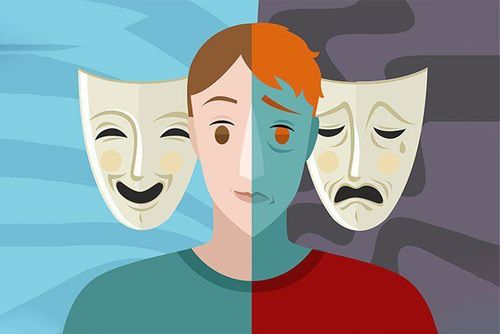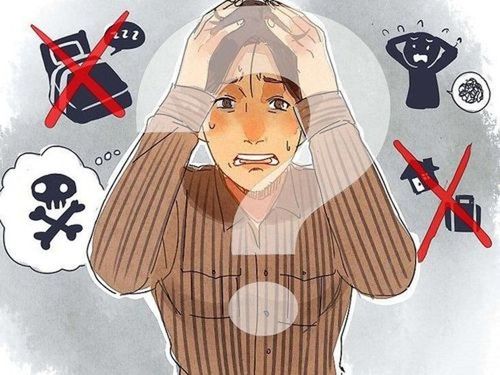

Mental disorders are among the increasingly common health issues worldwide. However, those affected still face significant stigma and misunderstanding, which can negatively impact treatment and recovery.
Caring for and supporting individuals with mental disorders requires a comprehensive approach that combines medical treatment, psychosocial interventions, and the support of family and the community.
This article was written by: Msc. Resident Doctor Nguyen Van Giap - Psychiatrist, Integrated Mental Health Care Center - Vinmec Times City General International Hospital
1. What are mental disorders?
Mental disorders are conditions that affect a person’s thoughts, emotions, behavior, and daily functioning. Common disorders include depression, anxiety disorders, schizophrenia, eating disorders, and substance use-related disorders. The severity can range from mild to severe, and these conditions can be treated and managed with appropriate intervention, along with support from professionals and loved ones.
The causes are often a combination of biological, psychological, and social factors. Mental disorders are medical conditions-not the result of “weakness” or a lack of willpower.

2. Difficulties commonly faced by people with mental disorders
- Social relationships: Patients may have difficulty communicating, maintaining relationships, and participating in social activities.
- Daily functioning: They may struggle with everyday tasks such as eating, personal hygiene, and other daily life activities.
- Studying and working: Patients may experience difficulties in academic and work settings, such as poor concentration and difficulty regulating emotions under stress, etc.
3. Treatment of mental disorders
Treatment of mental disorders requires a multimodal, evidence-based approach with coordination between healthcare professionals and the patient’s family, including:
Treatment is a long-term and comprehensive process that combines medication with various therapeutic interventions:
- Psychotherapy: Methods such as Cognitive Behavioral Therapy (CBT), conducted by mental health professionals, can help patients change negative thinking patterns and improve behavior.
- Medication treatment: Medication can help control symptoms such as anxiety, depression, delusions, or agitation. Medication use must strictly follow a doctor’s prescription.
- Brain modulation therapies: Such as transcranial magnetic stimulation (TMS), transcranial direct current stimulation (tDCS), and neurofeedback.
- Psychological and social rehabilitation: Supports patients in returning to school, work, and social participation.
4. Things to do and not to do when supporting people with mental disorders
When there is a person with a mental disorder in the family, common questions arise such as “How should we support someone with a mental disorder?” For patients to recover and return to normal life, they need care and support from family, friends, and society.
4.1. What should be done to support people with mental disorders?
- Detect early signsof abnormalities or changes in behavior, cognition, and emotions, and bring the patient to a specialist healthcare facility for treatment.
- Ensure the patient takes medication regularly, at the correct dosage, and strictly follows the doctor’s instructions.
- Family members should show love, care, and attention, creating a sense of safety and protection for the patient; avoid blaming them or placing indirect pressure through statements such as “You should think about your parents,” or “Doing this means you don’t love your parents,” etc.
- Help and encourage the patient to participate in daily activities and work.
4.2. What should not be done with people with mental disorders?
- Do not argue or try to prove that the patient is wrong.
- Do not stigmatize, express fear or disgust, or isolate the patient; instead, maintain a friendly, gentle, and patient attitude.
- Do not use superstitious or non-medical methods such as spiritual healing, charms, or self-medicating without a doctor’s guidance.
- Do not use violence or force against the patient; if the patient shows dangerous behavior toward themselves or others, contact a specialized medical facility immediately.
The journey of supporting someone with a mental disorder is long and requires patience, understanding, and empathy. Not only patients but also caregivers may experience significant stress and fatigue. You do not have to carry this burden alone - Vinmec Times City Integrated Mental Health Care Center is always ready to accompany you and your family.

4. Things to do and not to do when supporting people with mental disorders
When there is a person with a mental disorder in the family, common questions arise such as “How should we support someone with a mental disorder?” For patients to recover and return to normal life, they need care and support from family, friends, and society.
4.1. What should be done to support people with mental disorders?
- Detect early signsof abnormalities or changes in behavior, cognition, and emotions, and bring the patient to a specialist healthcare facility for treatment.
- Ensure the patient takes medication regularly, at the correct dosage, and strictly follows the doctor’s instructions.
- Family members should show love, care, and attention, creating a sense of safety and protection for the patient; avoid blaming them or placing indirect pressure through statements such as “You should think about your parents,” or “Doing this means you don’t love your parents,” etc.
- Help and encourage the patient to participate in daily activities and work.
4.2. What should not be done with people with mental disorders?
- Do not argue or try to prove that the patient is wrong.
- Do not stigmatize, express fear or disgust, or isolate the patient; instead, maintain a friendly, gentle, and patient attitude.
- Do not use superstitious or non-medical methods such as spiritual healing, charms, or self-medicating without a doctor’s guidance.
- Do not use violence or force against the patient; if the patient shows dangerous behavior toward themselves or others, contact a specialized medical facility immediately.
The journey of supporting someone with a mental disorder is long and requires patience, understanding, and empathy. Not only patients but also caregivers may experience significant stress and fatigue. You do not have to carry this burden alone - Vinmec Times City Integrated Mental Health Care Center is always ready to accompany you and your family.
To arrange an appointment, please call HOTLINE or make your reservation directly HERE. You may also download the MyVinmec app to schedule appointments faster and manage your reservations more conveniently.