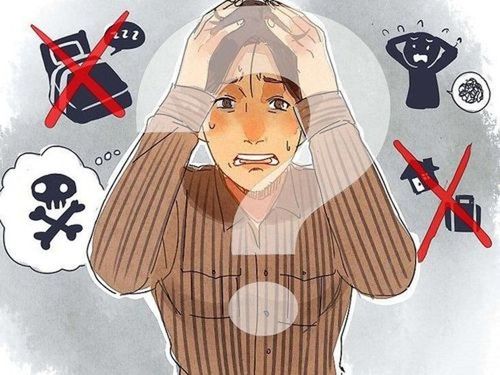

Schizophrenia is a chronic mental health condition that directly impacts how an individual thinks, feels, and behaves. While it is a lifelong disorder, early recognition of symptoms, a clear understanding of its causes, and a proper treatment plan can help manage the condition effectively.
This article was written by: Resident Doctor Do Van Duc - Psychiatrist, Integrated Mental Health Care Center - Vinmec Times City International General Hospital.
1. What is Schizophrenia?
According to the World Health Organization (WHO), schizophrenia is a severe mental disorder affecting approximately 24 million people-or 1 in 300 individuals-worldwide. This condition is characterized by significant impairments in perception and abnormal behavioral changes.
Schizophrenia involves psychosis, a state where the individual struggles to distinguish between what is real and what is imagined. Those experiencing psychotic disorders often feel detached from reality; their world becomes a chaotic blend of confusing thoughts, images, and sounds that do not exist.
Due to this distorted reality, patients may display strange or even shocking behaviors. A sudden shift in personality or behavior is referred to as a psychotic episode. Contrary to popular belief, schizophrenia is not a "split personality" or "multiple personality" disorder.
While it remains a lifelong condition that can create barriers in relationships, education, and career, it is not without hope. Through evidence-based treatments-including medication and psychosocial support-patients can achieve recovery and lead stable, fulfilling lives.

2. Causes of Schizophrenia
Currently, the exact cause of schizophrenia remains unknown. However, research points to clear biological foundations. A combination of various factors may increase the risk of developing the disorder.
2.1. Genetic Factors
The disorder tends to run in families. If a parent or sibling has the condition, the risk increases by approximately 10%. However, many people diagnosed with schizophrenia have no family history of the disorder. This suggests that genes only create a "vulnerability" or predisposition.
2.2. Neurobiological Factors
Differences in brain structure and chemistry are core contributors:
- Neurotransmitters: An imbalance of chemicals such as Dopamine and Serotonin (which transmit messages between brain cells) can cause the brain to react incorrectly to stimuli, leading to hallucinations and delusions.
- Structural Changes: Neuroimaging reveals that patients often have larger fluid-filled cavities (ventricles) and less gray matter in certain brain regions compared to healthy individuals.
2.3. Environmental Factors
Research suggests that the disorder can be triggered or exacerbated by negative environmental stressors. Intense life stress can act as a "fuse" for those with a genetic predisposition:
- Loss of a loved one, unemployment, or a history of abuse.
- Difficult or isolated living conditions.
- A high-conflict or high-pressure upbringing.

2.4. Substance Abuse
The use of addictive substances such as narcotics, cocaine, or amphetamines significantly increases the risk of onset. Particularly during adolescence, substance use disrupts the brain's natural development, making one more susceptible to psychotic symptoms later in life.
3. Symptoms of Schizophrenia
Symptoms typically first appear between late adolescence and early adulthood (roughly ages 15 to 35). These manifestations can fluctuate depending on the stage of the illness.
3.1. Positive symptoms (psychotic manifestations)
Here the word "positive" means the presence (rather than absence) of symptoms. They can include:
- Hallucinations: Most commonly auditory hallucinations (hearing voices in the head). These voices may talk to, command, or criticize the patient. Patients may also see or smell things that are not real.
- Delusions: Firmly held false beliefs (e.g., believing they are being followed, harmed, or possess extraordinary powers).
- Disorganized Thinking: Speaking in a fragmented or illogical manner. Difficulty concentrating and maintaining a train of thought makes it hard for others to understand them.
- Abnormal Behavior: Becoming excessively agitated, acting strangely, or becoming catatonic (staying still and unresponsive for hours).
3.2. Negative Symptoms (Loss of Function)
These signs often appear subtly and persist over time, making it harder for the patient to adapt to daily life:
- Loss of Motivation: Lacking the will to perform daily tasks like personal hygiene, cooking, or cleaning.
- Social Withdrawal: Losing interest in meeting friends or family; becoming reclusive and quiet.
- Flat Affect: Showing little to no emotion on the face, speaking in a monotone voice, and losing the ability to experience pleasure.
- Sleep Disturbances: Disrupted sleep cycles, such as staying awake all night and sleeping during the day, or oversleeping.
Schizophrenia presents many challenges for both the patient and their family. However, a combination of medical intervention, psychosocial therapy, and the empathy of loved ones can help patients find stability and enjoy life again.
If you notice a loved one or anyone displaying these symptoms or unusual signs, please seek help from a psychiatrist for an early consultation, examination, and treatment.
References:
- National Institute of Mental Health (2024). Schizophrenia.
- Cleveland Clinic (2025). Schizophrenia.
- Mental Health UK (2025). Symptoms of schizophrenia
- World Health Organization (WHO). 2025. Schizophrenia.
To arrange an appointment, please call HOTLINE or make your reservation directly HERE. You may also download the MyVinmec app to schedule appointments faster and manage your reservations more conveniently.