
1. Lumbar ligament sprain
The lumbar ligaments are bands of tissue surrounding the lumbar vertebral joints; their role is to protect and stabilise the joint. When posture is incorrect or there is over‑exertion, the lumbar ligaments may be abnormally stretched and injured. This is called a lumbar ligament sprain.
There are two grades of lumbar ligament sprain:
- Mild: Movement is slightly restricted, but no severe back pain; the ligaments recover in a few days and symptoms disappear.\
- Severe: There is intense pain that hinders the patient’s mobility. Timely and proper treatment is needed to avoid progression to chronic status.
Over‑stretching of the muscles and ligaments alongside the spine is also a common mechanical cause of low back pain.
2. Causes of lumbar ligament sprain
Lumbar ligament injury and abnormal stretching may occur for various reasons, such as:
- Direct or indirect trauma to the back region;
- Excessive or incorrect posture during activity (for example during work, heavy lifting, sports, sleep, twisting the torso);
- Vibration exposure (in contact with machinery or engines over long periods);
- Advanced age, causing natural ligament degeneration;
- Pregnant women also have a risk of lumbar ligament sprain.
In some patients with recurrent lower back pain but no identifiable specific impact or physical disease, the cause may be persistent low back pain due to psychological factors, stress or heavy work pressure.

3. Symptoms of lumbar ligament sprain
Characteristic symptoms of lumbar ligament sprain are similar to other musculoskeletal diseases and include back pain and reduced mobility, specifically:
- Pain may be mild, dull or severe;
- Pain when bending or twisting the body, when lifting or carrying heavy loads, when standing up/sitting down;
- Inflammation of the joints, warmth and swelling;
- Stiffness in the morning, needing massage to move normally;
- Pain, numbness or tingling worsened by cold or damp weather;
- Loss of the natural lumbar curve due to spinal misalignment;
- Fatigue, general discomfort, sometimes whole‑body aches.
If symptoms persist, the patient’s mental and cognitive health may decline, affecting work and reducing quality of life.
4. First aid for lumbar ligament sprain
Although lumbar ligament sprain is not life‑threatening, if not properly first‑aided and treated it can become chronic, lead to ligament rupture and joint instability. Key first‑aid measures include:
- Avoid movement when signs of ligament sprain appear; do not risk worsening the injury or causing ligament rupture;
- Do not apply heat‑based ointments or plasters, as they may increase ligament and muscle strain, making recovery harder;
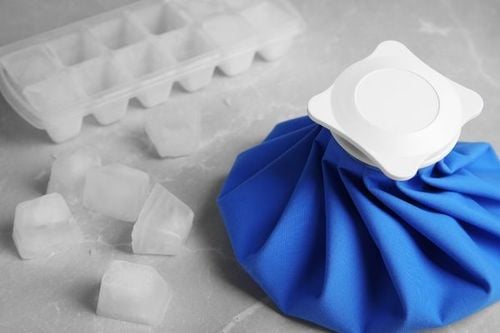
- Instead, apply cold‑packs immediately after the injury.
5. Treatment of lumbar ligament sprain
Depending on the severity of ligament injury and the patient’s health status, treatment options include:
- Rest:
The patient should lie on their back, relax fully, ensure head–shoulders–buttocks–heels touch the mattress. Avoid overly thick or hard mattress to prevent vascular or muscle compression.
- Cold‑therapy (ice packs):
Use cold packs on the injured area for about 30 minutes, to reduce swelling and pain. Light massage in the injured area may help stimulate circulation and reduce swelling.
- Yoga:
Yoga poses help improve flexibility, strengthen muscles and ligaments. Thus it is beneficial for physical and mental health, and can accelerate recovery of lumbar ligament sprain.
- Massage:
Traditional methods of massage along both sides of the spine (~30 minutes each session) may help relieve pain, improve circulation and reduce stagnation.
- Medication:
If damage is severe and pain is intense or mobility is impaired, the patient should use medications (Eastern & Western medicine) under specialist supervision to reduce pain and support ligament elasticity.
- Surgical/interventional treatment:
If internal treatment fails over a prolonged period or in cases of severe lower back pain that significantly affects movement, surgery may be considered.
Other therapies may include spinal traction, lumbar support belts, infrared therapy or electrical stimulation, in combination with acupuncture.
6. Prognosis of lumbar ligament sprain
In mild cases, lumbar ligament sprain may heal within about 2 months or faster if appropriate treatment is applied.
For more severe cases, medical intervention is essential to ensure fastest recovery. If mobility remains restricted for a long time, the risk of more serious spinal conditions (e.g., lumbar arthritis, disc herniation, lumbar degeneration) increases.
7. Advice for patients with lumbar ligament sprain

7. Advice for patients with lumbTo restore injured lumbar
ligaments and reduce pain effectively, as well as prevent recurrence after healing, patients should note:
- Avoid heavy exertion or excessive physical labour;
- Correct lifestyle and working posture;
- Engage in gentle physical activities such as swimming;
- Practice yoga properly and in alignment with their health condition;
- In daily activities avoid sudden twisting, bending, heavy lifting or carrying.
Experts in musculoskeletal health note that low back pain due to lumbar ligament sprain is highly likely to recur if the patient does not adopt a thorough and definitive treatment plan. Therefore, patients should consult reputable specialised medical centres for diagnostic tests and expert guidance to resolve persistent low back pain due to ligament sprain or rupture.
ar ligament sprain
To arrange an appointment, please call HOTLINE or make your reservation directly HERE. You may also download the MyVinmec app to schedule appointments faster and manage your reservations more conveniently.