
The article is professionally consulted by Specialist Level I Dang Thi Ngoc Chuong - Department of Pediatrics - Neonatology, Vinmec Central Park International General Hospital. She has previously worked at Children's Hospital I, Thủ Đức Hospital, and University of Medicine and Pharmacy in Ho Chi Minh City, with strengths in diagnosing and examining neonatal pathology - neonatal resuscitation.
The asymptomatic stage is called the pre-symptomatic stage. The symptomatic stage - AIDS is the final stage of HIV infection. The clinical signs of HIV in children differ from those in adults and also vary depending on the mode of transmission, whether it is from mother to child, through blood, or through sexual contact, resulting in different manifestations.
1. Signs of HIV in children during the pre-symptomatic stage
- Children infected with HIV from their mothers at birth may appear normal or may only show signs of low weight;
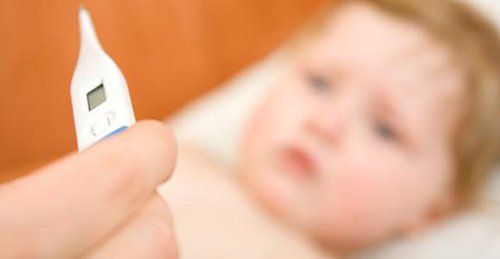
- When the HIV virus enters the bloodstream, the child may exhibit some signs similar to other viral infections, such as mild fever, muscle aches, and no specific symptoms.
Depending on the mode of transmission and any pre-existing conditions, the symptoms of HIV in children will vary as they progress to the disease. However, the time from the pre-symptomatic stage after HIV infection to the clinical manifestation of the disease in children infected from their mothers is shorter compared to children infected through blood, and also shorter than in adults.
2. Signs of HIV in children during the clinical stage
The signs of HIV in children during the clinical stage are primarily manifestations of opportunistic infections and tumors. These clinical manifestations vary across many organs and can easily be confused with other diseases.
2.1 Non-specific manifestations of HIV in children
Early non-specific symptoms of HIV infection in children include:
- Enlarged lymph nodes;
- Enlarged liver and spleen;
- Weight loss;
- Prolonged fever;
- Chronic diarrhea;
- Oral Candida infection;
- Chronic eczema.
2.2 Signs of HIV in children in the lungs
Pulmonary manifestations are common when children are infected with HIV/AIDS. Among these, lymphocytic interstitial pneumonia is a prevalent manifestation, with 30-50% of cases in children infected with HIV from their mothers progressing chronically in the lungs. The signs of HIV in children on chest X-rays show a characteristic reticular nodular infiltrate.
The cause of lymphocytic interstitial pneumonia is unclear; however, it may be due to the direct role of HIV or the Epstein-Barr virus. Although the pulmonary manifestations of HIV in children on chest X-rays show abnormalities, nothing may be heard upon auscultation of the lungs.
It is important to differentiate lymphocytic interstitial pneumonia from pneumonia caused by bacteria, viruses, or fungi, as well as pneumonia caused by Pneumocystis carinii (PCP).
- Pneumonia in children caused by Pneumocystis carinii is the most common opportunistic infection. However, no specific symptoms may be detected upon auscultation;
- Cytomegalovirus pneumonia is the second leading cause of respiratory failure, one of the signs of HIV in children;
- In addition to viral lung infections, children with HIV/AIDS may also experience opportunistic bacterial infections, including pneumonia caused by Streptococcus pneumoniae, Haemophilus influenzae, and Staphylococcus aureus, with newborns being particularly susceptible to pneumonia caused by Klebsiella;
- Infections caused by Mycobacterium tuberculosis and atypical mycobacteria are also common in children;
- Respiratory infections caused by Candida fungus are also among the common signs of HIV in children. These pulmonary infections are significant causes of mortality in children.
2.3 Signs of HIV in children in the digestive system
Common signs related to the digestive system when children are infected with HIV include:
- Diarrhea: This can last for weeks or months. Prolonged diarrhea leads to dehydration and weight loss in children. The causes of diarrhea may include intestinal pathogens such as E. coli, Shigella, Salmonella, Campylobacter, and Entamoeba histolytica. Additionally, diarrhea—one of the signs of HIV in children—can also be caused by Cryptosporidium, Isospora belli, Candida, and Strongyloides stercoralis;
- Difficulty swallowing: The primary cause of difficulty swallowing is infection with Candida in the mouth and esophagus.
2.4 Signs of HIV in children in the nervous system
The manifestations of HIV in children in the nervous system often begin with:
- Decreased cognitive function;
- Memory disorders;
- Motor disorders: paralysis, ataxia;
- Sensory disturbances;
- Abnormal muscle tone, cerebral palsy;
- Microcephaly in the first two years. Cerebrospinal fluid may be normal or show a slight increase in cells and protein;
- A CT scan may reveal brain atrophy with dilated ventricles, calcification in the skull base and frontal lobe, along with white matter lesions in the brain;
- HIV manifestations in children can lead to opportunistic infections in the brain and meninges: meningitis due to tuberculosis, Cryptococcus, or herpes virus, cytomegalovirus. Toxoplasmosis may also occur, with the typical acute symptom being focal motor disturbances. Cryptococcal meningitis is considered a definitive diagnostic sign of AIDS, although it is very rare.
The manifestations of HIV in children in the nervous system are quite high, mostly caused by HIV itself, while others are due to opportunistic infections and cancers. When brain disease occurs due to HIV infection, the severity and progression of the disease can vary, potentially being acute or subacute, progressing slowly over several years or months.
2.5 Signs of HIV in children on the skin
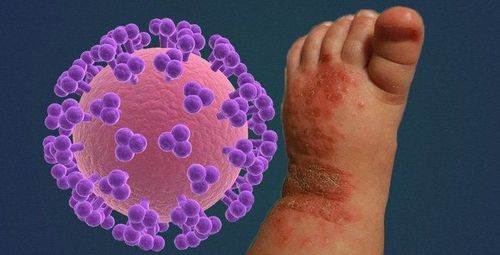
The manifestations of HIV in children on the skin are very common, with typical symptoms such as:
- Zoster;
- Herpes virus infections.
- Candida infection in the mouth, anus, and genital area;
- Recurrent impetigo and boils;
- Folliculitis, papova virus infection causing mucosal tumors in the neck and body, pruritic papules, leukoplakia at the edge of the tongue;
- HIV manifestations in children on the skin due to Kaposi's sarcoma are rare.
2.6 Other signs of HIV in children
- Persistent generalized lymphadenopathy: This condition occurs early in the course of HIV infection, with clinical manifestations of swollen lymph nodes (greater than 1 cm) lasting more than 3 months. Multiple lymph nodes appear in various lymphatic regions, commonly seen in the groin, armpits, and other areas. The nodes are firm and non-tender. Although the nodes are enlarged, they do not have prognostic significance. Conversely, as the disease progresses, the nodes gradually shrink and disappear. Therefore, when nodes that were previously enlarged begin to shrink, it is a sign of poor prognosis. As the nodes decrease in size, symptoms such as fever, weight loss, and prolonged diarrhea may appear. These are symptoms of HIV in children progressing to full-blown AIDS. If the nodes reappear, they may indicate tuberculosis lymphadenopathy, metastatic cancer lymph nodes, or lymphoproliferative disease.
- Autoimmune diseases: Signs of HIV in children include the emergence of various autoimmune diseases. These diseases reflect the polyclonal activation of B cells and increased gamma globulin levels in the blood. Commonly observed is autoimmune thrombocytopenia, which causes petechial hemorrhages, with antibodies against platelets and immune complexes often detected in the blood. Autoimmune hemolytic anemia shows a positive Coombs test and may require blood transfusions. Autoimmune diseases affecting the cardiovascular system, upon pathological examination, show symptoms of pericarditis with enlarged mononuclear cells, myocarditis, and endocarditis.
- Opportunistic infections: The clinical manifestations of HIV in children are primarily opportunistic infections affecting various parts of the body. In many cases, opportunistic infections are also indicative of AIDS in children. Effective treatment of opportunistic infections will reduce annual mortality.
- Cancer manifestations: Signs of HIV in children leading to cancer include Kaposi's sarcoma and malignant lymphomas, which are very rare. Kaposi's sarcoma is a type of endothelial cancer affecting the skin, mucous membranes, internal organs, and lymph nodes, characterized by purple or reddish-brown patches appearing anywhere on the body and gradually developing into tumors. Kaposi's sarcoma is considered a defining symptom for diagnosing AIDS. Lymphomas are more commonly seen in childhood cancers, primarily non-Hodgkin lymphoma.
- The symptoms of HIV in children can easily be confused with many other diseases and vary depending on the mode of transmission, as well as the affected body parts. Therefore, it is best to take the child to a doctor for accurate HIV testing.
To arrange an appointment, please call HOTLINE or make your reservation directly HERE. You may also download the MyVinmec app to schedule appointments faster and manage your reservations more conveniently.