HIV is a virus that causes immunodeficiency in humans. The disease progresses through different stages with distinct symptoms. Understanding these stages and symptoms can aid in early treatment, increase life expectancy, and reduce the risk of transmitting the disease to others.
1. What Is the window period of HIV?
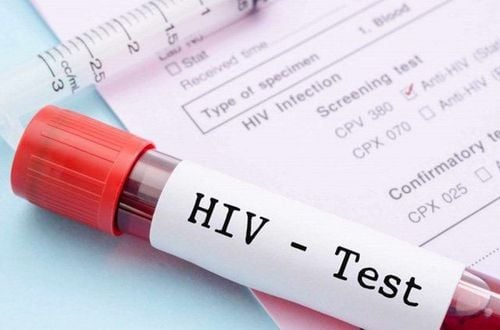
The window period of HIV is the time between the actual infection and the point when HIV can be detected through tests. After infection, it usually takes 3 to 6 months for the body to produce enough antibodies against the virus. During this period, a person can still transmit HIV to others even if they test negative for the virus.
2. How Is HIV Transmitted?
HIV, also known as AIDS (Acquired Immunodeficiency Syndrome), is a disease of the immune system caused by the human immunodeficiency virus. It is primarily transmitted through the following routes:
2.1 Blood Transmission
- Injecting drugs and sharing needles or syringes
- Receiving blood transfusions or blood products that have not been properly screened
- Sharing sharp instruments (e.g., tattoo equipment)
2.2 Sexual Transmission
- Oral, anal, or vaginal sex without protection (e.g., condoms)
- Engaging in unprotected sex with multiple partners
- Having sexual intercourse with an HIV-positive person
2.3 Mother-to-Child Transmission
- During pregnancy, labor, or childbirth
- Through breastfeeding
- However, HIV cannot be transmitted through the following activities:
- Shaking hands, hugging, kissing, or sharing meals with an HIV-positive person
- Coughing or sneezing
- Mosquito bites or insect stings

3. Symptoms of HIV at Different Stages
3.1 Early Stage (Window Period): Acute HIV Infection
HIV infection occurs when bodily fluids from an infected person enter the body of an uninfected person. During this stage, the virus multiplies rapidly, leading to a high viral load in peripheral blood. Therefore, it can reach several million virus particles per milliliter of blood.
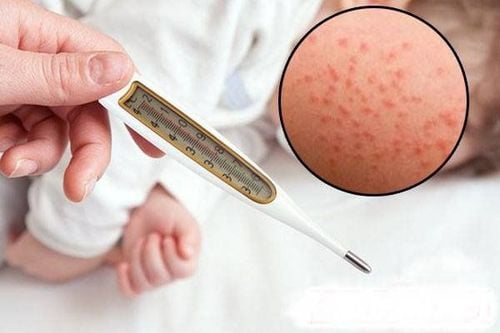
During the window period, an infected person may develop flu-like or mononucleosis-like symptoms within 2 to 4 weeks after the virus begins spreading in the body.
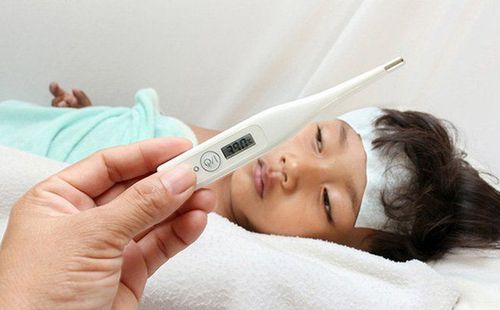
Common symptoms include fever, rash, swollen lymph nodes, pharyngitis, muscle pain, discomfort, fatigue, and mouth and esophageal ulcers. Less common symptoms include headache, nausea, vomiting, spleen and liver enlargement, weight loss, oral thrush, and neurological symptoms. The duration of symptoms varies for each individual, with an average of about 28 days and a minimum of 1 week.
However, not everyone experiences these symptoms; some individuals may not show any signs during this stage. Even when visiting a doctor, the condition may be misdiagnosed as a common infectious disease with similar symptoms and signs. Therefore, it is important to get tested regularly to detect the disease early and prevent its transmission to others.
3.2 Second Stage: Chronic HIV Infection
After the immune system “fails to control” HIV, flu-like symptoms disappear. During this period, most people do not experience any symptoms. You may not realize that you are infected or can transmit the virus to others. The chronic stage typically lasts for about 10 years or even longer.
During this time, if left untreated, HIV will kill CD4 T cells (which act as "guard soldiers" defending against pathogens) and destroy your immune system. Normally, the CD4 cell count ranges from 450 to 1400 cells per microliter. Without prompt treatment, the CD4 cell count will decrease, weakening your immune system and making you more susceptible to other infections.
Additionally, as the amount of HIV in the blood rapidly increases, the risk of transmitting the virus to others also rises. It is crucial not to let this stage persist for too long. Starting HIV treatment at this stage can help combat the virus, rebuild your immune system, and prevent its spread. If you are on medication, make sure to visit your doctor regularly and maintain a healthy lifestyle for a better life.
3.3 Final Stage: AIDS
At the AIDS stage, the immune system is severely damaged, leading to life-threatening infections and other complications, including:
- Persistent fatigue
- Swollen lymph nodes in the neck or groin
- Fever lasting more than 10 days
- Night sweats
- Unexplained weight loss
- Brown spots on the skin that do not go away
- Shortness of breath
- Severe and prolonged diarrhea
- Yeast infections in the mouth, throat, or vagina
- Unexplained bruising or bleeding
Without treatment, life expectancy for AIDS is about 3 years or even shorter if serious infections develop. However, HIV treatment is still possible at this stage. Following doctor’s instructions and maintaining a healthy lifestyle can help people with AIDS live longer.
4. HIV Treatment
Currently, there is no vaccine available to prevent HIV infection, nor is there any therapy that can eliminate HIV from the body. However, the good news for people living with HIV is that they can prolong and improve their quality of life with antiretroviral therapy, known as ART (Antiretroviral Therapy).
ART involves using antiretroviral drugs to slow down the replication of HIV, boost the immune system, and reduce the risk of opportunistic infections.
Depending on the patient's condition, doctors will prescribe an appropriate ART regimen to ensure effective treatment.
However, like any other medication, ARV drugs can cause side effects. These symptoms are usually mild and tend to disappear within a few weeks. Common side effects include:
- Nausea, vomiting
- Headache
- Diarrhea
- Frequent nightmares
- Fatigue
Early HIV testing helps in controlling and preventing transmission. This is extremely important as it allows individuals to be aware of their HIV status, especially during the window period, thereby improving treatment effectiveness and reducing the risk of transmitting HIV to others. Vinmec International General Hospital’s screening package for sexually transmitted infections (STIs) helps customers detect diseases early, enabling prompt and effective treatment to prevent complications.
Article reference source: Webmd.com
To arrange an appointment, please call HOTLINE or make your reservation directly HERE. You may also download the MyVinmec app to schedule appointments faster and manage your reservations more conveniently.