
This article is medically reviewed by Dang Thi Ngoan, MD, MSc – Department of Pediatrics – Neonatology, Vinmec Ha Long International Hospital.
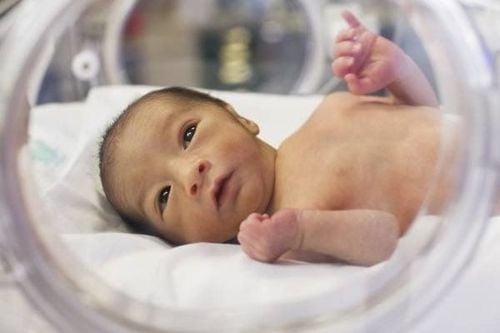
Preterm infants born between 26 and 28 weeks, although considered extremely premature, have significantly better prognosis than those born earlier due to advancements in neonatal care.
1. Classification of Preterm Infants
The care process, NICU (Neonatal Intensive Care Unit) stay duration, and risk of complications depend on the classification of preterm birth. In general, the earlier a baby is born, the lower the survival rate, the higher the risk of severe health conditions, and the more complex and prolonged the NICU stay. The common classifications include:
- Extremely preterm: Born at or before 28 weeks of gestation.
- Very preterm: Born before 32 weeks of gestation.
- Moderate preterm: Born between 32–34 weeks of gestation.
- Late preterm: Born between 34–36 weeks of gestation.
Preterm babies are not classified solely by gestational age but also categorized by birth weight, which is closely linked to their health status and length of NICU stay:
- Low birth weight (LBW): Weighing less than 2.500g.
- Very low birth weight (VLBW): Weighing less than 1.500g.
- Extremely low birth weight (ELBW): Weighing less than 1.000g.
- Micro preemies: Weighing less than 800g (1 pound, 12 ounces) or born before 26 weeks of gestation.

2. Development of Preterm Infants at 26–28 Weeks of Gestation
At 26–28 weeks, the fetus continues to gain weight and grow in length. However, if a preterm infant is unwell, weight gain may lag behind that of in-utero development. At 26 weeks, preterm infants typically weigh around 1.000–1.100g and measure 38 cm from head to toe. Babies born at this stage are classified as extremely preterm and face prolonged stays in the Neonatal Intensive Care Unit (NICU), along with multiple health challenges associated with prematurity. Feeding is carefully staged to protect their fragile intestines from infections, which may slow weight gain.
- Lung Development: At 26 weeks, the lungs begin forming alveoli, essential for gas exchange. However, they are still too immature for independent breathing, necessitating respiratory support.
- Neuromuscular Development: Preterm infants at this stage have low muscle tone and may experience tremors or seizures.
- Startle Reflex: At 26 weeks, preterm infants begin exhibiting the startle reflex in response to loud noises, indicating early neurological function.
- Fingerprint Formation: By this stage, infants develop fingerprints and footprints.
By week 27, survival rates significantly improve, with over 95% of preterm infants surviving to NICU discharge. However, they still require extensive medical care. At week 28, preterm infants weigh around 2.5 kg and measure 40–41 cm in length. - Eye Development: Infants begin blinking, grow eyelashes and eyebrows, and show improved visual responses. However, the retina is still developing, increasing the risk of retinopathy of prematurity (ROP).
- Sleep Cycles: Preterm infants start developing sleep-wake cycles, including REM (rapid eye movement) sleep. However, these cycles remain inconsistent, with short periods of alertness.
- Hearing Responses: Infants may react differently to sounds, responding positively to familiar voices but becoming stressed by loud noises. Their responses provide doctors with clues about their sensory preferences.
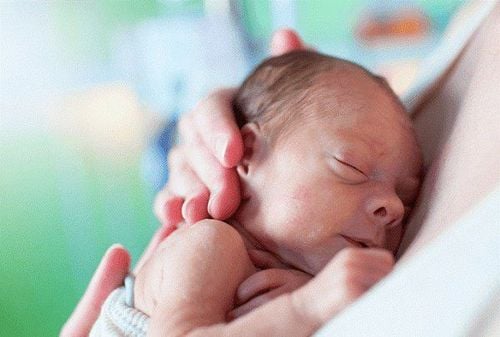
- Oral Feeding Attempts: Some preterm infants may start practicing sucking, but they remain unable to breastfeed effectively. Proper coordination of sucking, swallowing, and breathing is essential for successful feeding. Their skin remains thin and delicate, requiring careful handling. Kangaroo care (skin-to-skin contact) can be initiated if the infant is medically stable.
3. Prognosis for Extremely Preterm Infants (26–28 Weeks)
Medical advancements have significantly improved survival rates for extremely preterm infants. Studies indicate that: Over 50% of infants born at 23 weeks survive. Over 75% of infants born at 25 weeks survive. Over 90% of infants born at 26 weeks survive. However, these outcomes depend on specialized neonatal care
Due to immature respiratory systems, many require mechanical ventilation. Feeding coordination (suck-swallow-breathe reflex) is incomplete until around 34 weeks, so most receive IV fluids or tube feeding. Due to their low birth weight, they need to gain weight to support their growth and improve their chances of survival.
Furthermore, extreme preterm birth carries a higher risk of complications, including respiratory distress syndrome (RDS—a lung disorder), hypoglycemia (low blood sugar), hypothermia (difficulty maintaining body temperature), jaundice, urinary tract infections, and pneumonia. These complications can prolong the baby's hospital stay.
Preterm infants without complications are usually ready for discharge 2 to 3 weeks before their due date. However, those who experience health complications due to prematurity, such as breathing difficulties or trouble gaining weight, may need to stay in the neonatal intensive care unit (NICU) beyond their due date. In general, the earlier a baby is born, the longer their NICU stay is likely to be. Babies born at 28 weeks are considered "very preterm" but have a better prognosis than those born 2 to 4 weeks earlier. This is because their vital organs—such as the heart and lungs—are much more developed. According to the University of Utah Health, the survival rate for infants born at 28 weeks is between 80% and 90%. Some clinical studies report even more promising data, with survival rates of 94% to 98%. At this stage, only 10% of babies born at 28 weeks face long-term complications, which may include respiratory issues, infections, digestive problems, blood disorders, kidney issues, and neurological conditions such as seizures.

4. Potential Complications of Preterm Infants (26–28 Weeks)
4.1. Respiratory Complications
Preterm infants often experience respiratory distress syndrome (RDS) due to underdeveloped lungs. Some develop bronchopulmonary dysplasia (BPD), a chronic lung condition. Apnea (pauses in breathing) is also common.
4.2. Cardiovascular Issues
The most common heart problems in preterm infants include patent ductus arteriosus (PDA) and low blood pressure (hypotension). PDA is a condition where a fetal blood vessel between the aorta and pulmonary artery remains open. While this defect often closes on its own, if left untreated, it can lead to excessive blood flow to the heart, weakening the heart muscles and causing heart failure or other complications.
4.3. Neurological Complications
The earlier a baby is born, the higher the risk of brain bleeding, known as intraventricular hemorrhage (IVH). Most cases are mild and resolve with minimal short-term effects. However, some infants may experience severe bleeding, leading to permanent brain injury.
4.4. Temperature Regulation Issues
Premature babies can lose body heat quickly. Due to a lack of fat stores, they cannot generate enough heat to counteract heat loss through the skin. If their body temperature drops too low, it can result in hypothermia.
4.5. Gastrointestinal Disorders
Preterm infants have an immature digestive system, increasing the risk of necrotizing enterocolitis (NEC), a severe intestinal disease.
4.6. Blood Disorders
Premature infants are at risk for blood-related issues such as anemia and neonatal jaundice. Neonatal jaundice occurs when excess bilirubin—a yellow pigment from the liver or red blood cells—accumulates in the baby’s blood, causing yellowing of the skin and eyes.
4.7. Metabolic Disorders
Premature babies often have metabolic challenges. PSome may struggle with glucose regulation, making them prone to hypoglycemia (low blood sugar).
4.8. Immune System Deficiencies
An underdeveloped immune system increases the risk of sepsis (blood infections) and other severe illnesses.
Newborns, especially preterm babies, are generally prone to respiratory infections, gastrointestinal infections and other illnesses if they start solid foods too early or if breast milk storage and preparation are not done correctly. To protect a baby's health, parents should aim for exclusive breastfeeding for the first six months (if possible) and ensure that their baby receives vaccinations on schedule. If a baby shows signs such as loss of appetite, fatigue, or excessive fussiness, they should be taken to a doctor for evaluation and treatment.
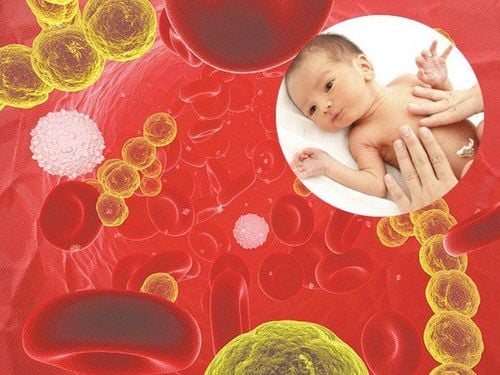
To prevent common illnesses in newborns, parents should focus on providing proper nutrition to boost their baby's immune system. Additionally, supplementing with essential nutrients such as lysine, trace minerals, and vitamins—including zinc, chromium, selenium, and B vitamins—can help strengthen immunity, reduce frequent illnesses, and support digestive health.
References: raisingchildren.net.au, verywellfamily.com
Read more:
To arrange an appointment, please call HOTLINE or make your reservation directly HERE. You may also download the MyVinmec app to schedule appointments faster and manage your reservations more conveniently.