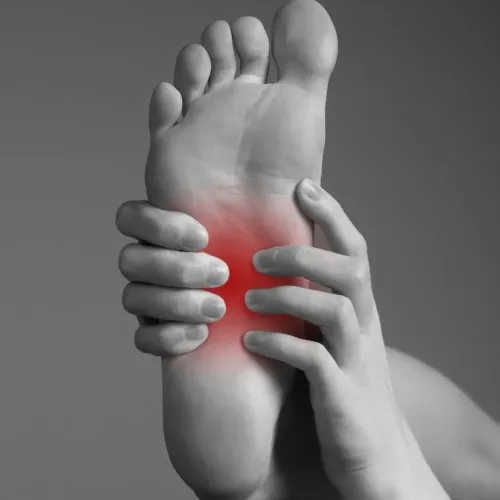

1. What causes dorsal foot edema?
1.1 External Factors Causing Dorsal Foot Edema
External factors that may cause dorsal foot edema include:
- Injuries: Physical activities such as exercise or sports, work accidents, daily activities, or traffic incidents can cause damage to the foot, leading to dorsal foot edema such as dislocations, sprains, fractures,...
- Compression of the foot dorsum: Wearing high heels or tight shoes can compress or stretch the foot dorsum, resulting in swelling and pain.
1.2 Dorsal Foot Edema Due to Certain Diseases
Sometimes, dorsal foot edema is not caused by external factors but by underlying medical conditions, including:
- Musculoskeletal diseases: Common conditions like osteoarthritis and rheumatoid arthritis can cause swelling and pain on the foot dorsum.
- Sciatica: Often considered a primary cause of dorsal foot edema. In addition to swelling, patients may experience numbness or loss of sensation in the foot.
- Cardiovascular diseases: Vasoconstriction, thrombosis, arteritis, … can impair blood circulation. When muscles and bones do not receive enough blood supply, swelling and pain may occur.
- Gout: Dorsal foot edema can sometimes be caused by gout. Initially, only the big toe is swollen, painful, warm, and red; later, the swelling can extend to the foot dorsum, causing discomfort and difficulty walking. If left untreated, chronic gout can deform joints and cause painful tophi (uric acid deposits) near the big toe joint.
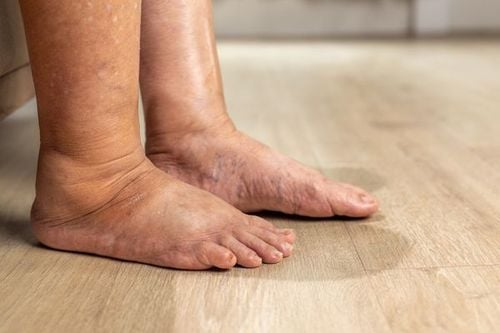
Foot edema, whether due to injury or disease, can affect any patient, but is more common among older adults, women undergoing hormonal changes, patients with deep vein thrombosis, lymphatic obstruction, pericarditis, foot infections or injuries, pregnant women with preeclampsia, and those with high blood pressure.
2. Treatment for Foot Dorsal Edema
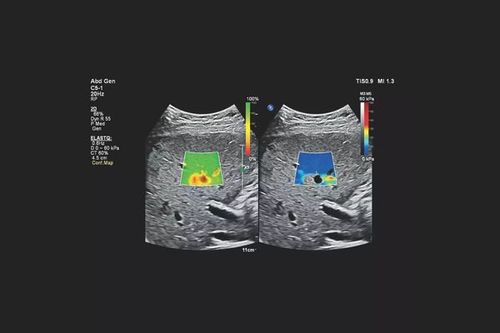
First, it is essential to diagnose the underlying cause of the foot swelling. Based on the diagnosis, the doctor will recommend an appropriate treatment plan. Diagnostic methods may include blood tests, ultrasound, electrocardiogram (ECG), or a combination of these techniques.
If the dorsal foot edema is mild and caused by minor injuries or daily lifestyle habits, the doctor may advise home treatment using compression stockings or socks, alongside lifestyle modifications. Wearing compression socks can improve blood circulation in the upper body regions, thereby reducing fluid accumulation in the feet caused by gravity.
Doctors may also prescribe medications to reduce dorsal foot edema; however, these can often cause side effects. This treatment approach is generally reserved for cases where other methods fail to relieve symptoms. In cases where foot edema is caused by other conditions, doctors will develop a specific, tailored treatment regimen.
3. Home Care for Dorsal Foot Edema
In addition to following medical treatment as prescribed by the doctor, patients should adopt lifestyle changes and apply the following measures to help reduce dorsal foot edema:
- Elevate the feet by keeping them raised on a pillow while lying down or sleeping.
- Perform stretching and mobility exercises to improve blood circulation in the feet.
- Reduce salt intake in the daily diet to lower the risk of fluid retention in the legs. Additionally, include magnesium-rich foods such as whole grains, legumes, and nuts.
- Wear properly fitting shoes and avoid tight footwear, as well as avoid wearing tight clothing around the feet and thighs.
- Engage in regular physical activity to avoid being overweight and prevent excess pressure on the feet that can cause swelling.
- After sitting or standing for prolonged periods, move the feet to promote circulation, ideally every 30 to 60 minutes.
- Soak feet in warm salt water with ginger to relax muscles, relieve pain, and help eliminate toxins. Note that this is a supportive measure and not a treatment for foot swelling.
4. When to see a doctor for Dorsal Foot Edema?
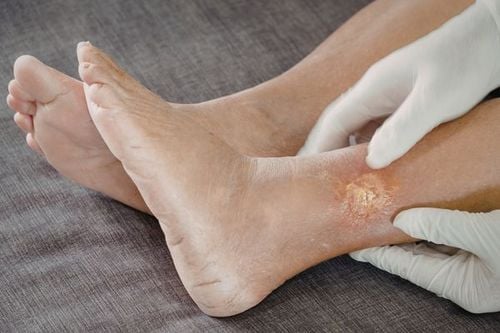
Feet swelling is sometimes not a serious issue. However, if accompanied by any of the following signs, patients should seek medical advice promptly:
- Having kidney, liver, or heart disease, along with dorsal foot edema
- The swollen area on the foot dorsum feels warm and red to the touch
- Experiencing fever
- Being pregnant
- Severe dorsal foot edema
- No improvement after trying other treatments
The appropriate treatment depends on the underlying cause of the swelling. In some cases, home care, such as wearing compression stockings and maintaining a healthy lifestyle through diet and habits, may suffice. However, if swelling is associated with other medical conditions, a thorough examination is necessary to ensure proper diagnosis and treatment.
To arrange an appointment, please call HOTLINE or make your reservation directly HERE. You may also download the MyVinmec app to schedule appointments faster and manage your reservations more conveniently.