Gestational diabetes occurs in 2-10% of pregnant women. High blood sugar levels during pregnancy pose significant risks for both the mother and baby. However, if blood sugar is managed properly, women with gestational diabetes can still give birth to healthy babies.
1. High blood sugar in pregnant women
High blood sugar that first appears during pregnancy is known as gestational diabetes. This condition affects 2-10% of pregnant women. Those at high risk include women over 25 years old, those who are overweight, have a family history of diabetes, have had gestational diabetes in a previous pregnancy, have given birth to large babies (≥ 4kg), experienced stillbirth, or had babies with congenital defects.
Gestational diabetes can affect both the mother and the baby. For the mother, complications may include high blood pressure, infections, excessive bleeding, preterm birth, preeclampsia, and an increased risk of developing type 2 diabetes after childbirth. For the baby, risks include growth restriction, large birth size, congenital abnormalities in the urinary, nervous, respiratory, and cardiovascular systems, as well as low blood sugar after birth.
However, expectant mothers should not worry excessively. There are many ways to lower blood sugar during pregnancy through proper nutrition and appropriate exercise. Keeping blood sugar under control significantly reduces risks for both mother and baby.
2. Ways to lower blood sugar for pregnant women

2.1 Lowering blood sugar during pregnancy through diet
- Pregnant women with high blood sugar should eat multiple small meals throughout the day. Each meal should not be too large, and the intervals between meals should not be too long to prevent extreme blood sugar fluctuations. Recommended foods include lean meats, fish, tofu, yogurt, non-fat and sugar-free milk, whole grains like brown rice, green vegetables, root vegetables, and low-sugar fruits. It is essential to drink at least 2 liters of water per day to help maintain blood sugar balance.
- Foods to avoid include sweets, sugary fruits, desserts, ice cream, and high-fat foods such as egg yolks, animal organs, fried, and stir-fried foods. It is also advisable to reduce alcohol, beer, sugary drinks, and sweet fruit juices. Reducing salt intake and avoiding processed foods such as canned goods, instant noodles, and preserved meats help prevent high blood pressure.
2.2 Lowering blood sugar during pregnancy through exercise
Gentle exercise is highly effective in helping pregnant women control their blood sugar levels. Exercise also aids in weight control, increases endurance, and facilitates a smoother delivery. Consult a doctor to determine suitable exercise types and intensity.
- Walking: Walking is highly beneficial for pregnant women, stabilizing blood sugar levels, supporting cardiovascular health, strengthening muscles, and making uterine contractions more effective. It also helps control weight and reduces constipation.
Pregnant women should exercise at a comfortable pace and rest whenever necessary.
- Light jogging: Jogging helps manage blood sugar, reduces the risk of leg vein inflammation, high blood pressure, and hemorrhoids. It also strengthens the spinal muscles, maintaining proper posture during pregnancy. When jogging, maintain a gentle pace, avoid overexertion, and choose flat terrain.
- Swimming: Swimming helps lower blood sugar by burning excess energy. It strengthens lung function, improves oxygen intake, adjusts fetal positioning for easier delivery, alleviates back pain, improves circulation for both mother and baby, prevents leg swelling, and supports the baby’s nervous system development.
- Yoga: Yoga enhances breathing techniques, improves lung function by increasing oxygen supply and expelling carbon dioxide. It helps control weight, lowers blood sugar, increases joint flexibility, and relieves stress and fatigue.

- Dancing: Dancing enhances flexibility, reduces stress, and improves mood. It also stabilizes blood sugar and blood pressure.
- Monitoring blood sugar levels regularly: Pregnant women with gestational diabetes should have regular check-ups and blood sugar tests. Based on test results, doctors can provide dietary and exercise recommendations. If blood sugar levels remain high despite lifestyle adjustments or if an ultrasound shows an unusually large fetus, doctors may prescribe medication to help manage blood sugar levels.
- Using medication to control blood sugar: Insulin is commonly prescribed for gestational diabetes when non-medical interventions are ineffective. Insulin is administered via injection, with various formulations available. The doctor will determine the appropriate type and dosage based on each patient’s condition. Insulin use requires close monitoring to prevent hypoglycemia and other complications.
Gestational diabetes is a type of diabetes that develops during pregnancy and typically resolves after childbirth. However, women who have had gestational diabetes have a higher risk of developing diabetes later in life. Therefore, maintaining healthy dietary and exercise habits should continue beyond pregnancy. Regular annual diabetes screenings are recommended for early detection and treatment. Newborns of mothers with gestational diabetes should have their blood sugar levels tested immediately after birth and be closely monitored for any abnormalities.
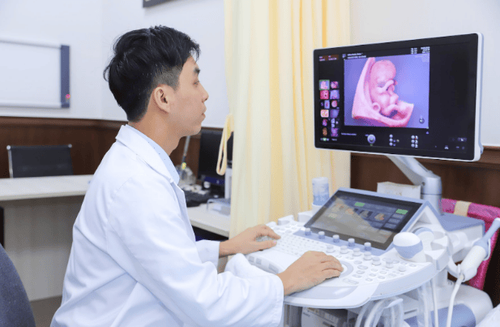
Vinmec International General Hospital offers a Comprehensive maternity care program for expectant mothers from early pregnancy. The program includes complete prenatal check-ups, regular 3D and 4D ultrasounds, and routine tests to ensure the mother’s health and the baby’s optimal development.
Pregnant women receive medical consultations and health check-ups under the close supervision of experienced obstetricians, helping them gain valuable knowledge to protect their health and minimize pregnancy complications.
To arrange an appointment, please call HOTLINE or make your reservation directly HERE. You may also download the MyVinmec app to schedule appointments faster and manage your reservations more conveniently.