Understanding dietary restrictions for gout patients is crucial, as this condition is a type of inflammatory arthritis characterized by the accumulation of uric acid, which can be managed through appropriate dietary choices. Certain foods may exacerbate uric acid levels, thereby intensifying clinical symptoms of the disease. Therefore, what dietary restrictions should individuals with gout observe to prevent acute pain episodes?
This article is guided by the expertise of physicians from the Department of Orthopedics & Sports Medicine at Vinmec International General Hospital.
1. Causes of Gout
The primary cause of gout is the elevated concentration of uric acid in the bloodstream. Uric acid is a byproduct of purine metabolism, a chemical compound prevalent in various food sources such as meat, poultry, and seafood. Consequently, patients need to be informed about dietary restrictions for gout in order to improve their condition.
Typically, uric acid dissolves in the blood and is excreted by the kidneys through urine. However, if the body produces excessive uric acid or fails to adequately excrete it, uric acid may accumulate and crystallize. These sharp crystals can result in inflammation and pain in the joints and surrounding tissues.
Several factors that increase serum uric acid levels and contribute to the development of gout include:
Age: Gout is more commonly observed in the elderly and is rare in children.
Sex: Among individuals under 65 years of age, males are four times more likely to develop gout than females. This ratio decreases to threefold in those over 65.
Genetics: Family history of gout may increase an individual's risk of developing the condition.
Unhealthy lifestyle: Alcohol consumption can hinder uric acid excretion. Additionally, a diet high in purines can elevate uric acid levels. Both these factors pose a risk for the development of gout.
Lead exposure: Frequent exposure to lead has been associated with an increased risk of gout.
Medication: Certain medications, including some diuretics and salicylate-containing drugs, may elevate uric acid levels.
Body weight: Overweight and obese individuals, as well as those with high visceral fat, are at a higher risk due to the indirect effects of body weight.
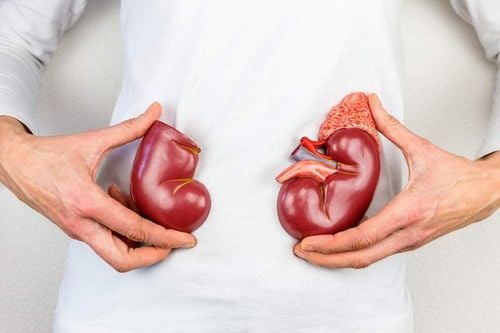
Kidney dysfunction and other renal issues: Diminished kidney function can impair waste elimination, leading to increased serum uric acid levels and resulting in gout.

2. What should individuals with gout avoid in their diet?
A dietary plan for individuals with gout can aid in the reduction of serum uric acid levels. Although not a definitive treatment, a proper diet can help minimize the risk of gout flare-ups and slow the progression of joint damage. Therefore, what dietary components should be avoided for gout management?
2.1. Organ Meats
Individuals with gout should limit their consumption of organ meats such as liver and kidneys, as well as certain sweet breads, since these foods are high in purines, which can elevate uric acid levels in the blood. Organ meats are rich in protein, which may exacerbate gout conditions and cause increased swelling and pain.
2.2. Red Meat
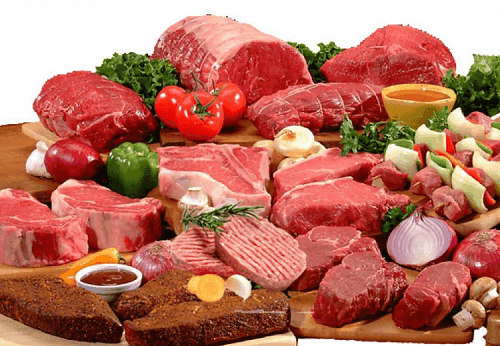
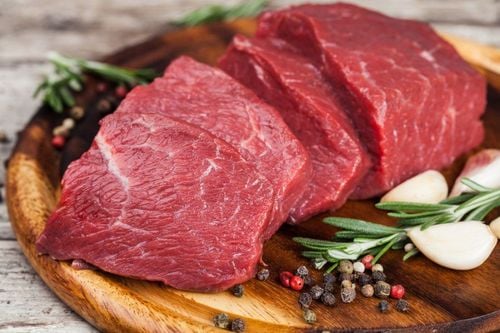
What should individuals with gout avoid? It is advisable to limit the intake of red meats such as beef, goat, and pork, as these foods can increase serum uric acid levels. Nevertheless, individuals with gout should not completely eliminate red meat from their diets, as it provides essential energy. Instead, moderation is recommended to prevent exacerbation of the condition.
2.3. Seafood
Certain types of seafood, including anchovies, sardines, and tuna, are known to have higher purine levels compared to others. Despite this, fish offers numerous health benefits that outweigh the risks for those with gout. Therefore, a reduction in seafood intake is recommended.
2.4. High Purine Vegetables
Some research has explored the dietary restrictions for gout, indicating that vegetables high in purines, such as asparagus, Brussels sprouts, and kale, do not significantly increase the risk or provoke recurrence of gout attacks. However, individuals with gout should still limit these vegetables in their diet.
2.5. Alcohol
The consumption of beer and alcoholic beverages increases the risk of developing gout and may trigger flare-ups. While moderate consumption of red wine may not heighten the risk, individuals with gout should avoid beer and alcoholic beverages during acute episodes and limit them in their overall dietary regimen.
2.6. Sugary Foods and Beverages
Those with gout should limit or avoid foods high in sugar, such as sugary cereals, sweet breads, and candies. Additionally, the intake of naturally sweetened fruit juices should also be reduced.
2.7. Processed Foods
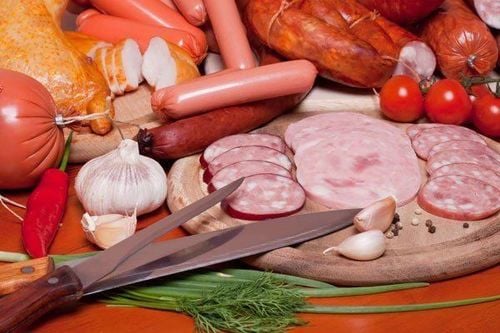
Processed foods such as sausages, fermented pork rolls, and cured meats can exacerbate the condition of gout. To improve the situation, what foods should individuals with gout avoid? Patients should replace these types of food with fresh, whole foods that are prepared at home.
3. What should individuals with gout consume?
In addition to considering what foods to avoid, individuals with gout should prioritize the following foods to maintain nutritional balance:
• Regularly consume water.
• Provide vitamin C to the body, which helps to reduce uric acid levels.
• Coffee: Some studies suggest that moderate coffee consumption, especially types containing caffeine, may help reduce the risk of developing gout. However, individuals with other health conditions should consider potential interactions before consuming large amounts of coffee.
• Oats and whole grains.
• Green tea.
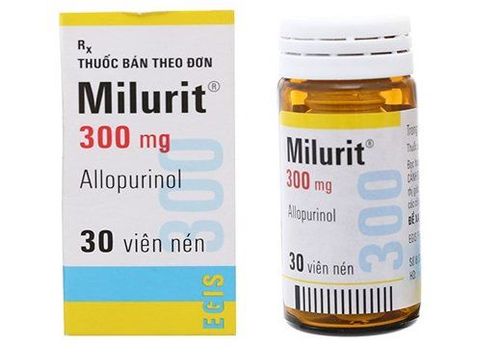
The above information pertains to the critical issue of what individuals with gout should avoid. However, alongside adhering to the dietary recommendations for gout, patients should also incorporate pharmacological treatments to alleviate pain and regulate uric acid levels to prevent serious complications.
To arrange an appointment, please call HOTLINE or make your reservation directly HERE. You may also download the MyVinmec app to schedule appointments faster and manage your reservations more conveniently.