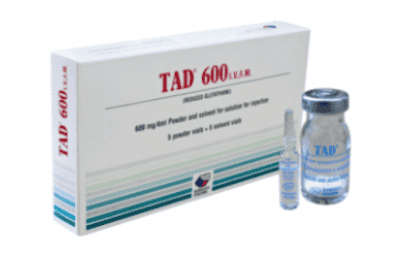
1. What is Troxerutin?
Troxerutin contains the active ingredient Troxerutin. The drug is available in various forms, such as Troxerutin 300mg capsules, powder for solution, and topical gel.
The effects of Troxerutin are attributed to the following mechanisms:
- Troxerutin selectively accumulates in the endothelium and then penetrates deeper into the sub-endothelial layer of veins. It helps prevent damage to the vascular cell membrane and counteracts oxidation. The antioxidant effect is achieved by neutralizing oxidants, thereby protecting cell membranes from damage by reducing blood component aggregation, facilitating red blood cells passing through vessels, and decreasing the release of inflammatory mediators.
- Troxerutin enhances venous and arterial return, prolonging venous filling time, reducing edema, and improving local circulation and tissue nutrition by increasing microvascular perfusion.
- The drug also inhibits the activity of hyaluronidase, an enzyme that degrades hyaluronic acid (a component of cell membranes). Under the influence of the drug, hyaluronic acid in cell membranes remains more stable, leading to increased capillary resistance and reduced vascular permeability. Consequently, swelling, pain, and edema are alleviated, positively impacting inflammation within the venous walls and reducing inflammation.
As a result of these mechanisms, capillary blood flow improves, reducing edema, swelling, pain, and inflammation while enhancing local nutrition. This helps decrease symptoms of venous dysfunction, such as blood stagnation, edema, swelling, and pain.
2. Indications and contraindications for Troxerutin
Due to its effects, Troxerutin is indicated in the following cases:
- Treatment of chronic venous insufficiency.
- Hemorrhoidal disease.
- Diabetic retinopathy.
Contraindications for Troxerutin:
- Not for use in patients with a history of reactions to any component of the drug.
- The efficacy and safety in children and adolescents have not been studied. Therefore, Troxerutin should not be prescribed to pediatric patients.
- Certain formulations, such as capsules, should not be used in patients with hyperthyroidism or taken with MAO inhibitors due to the risk of hypertension.

3. Usage and dosage Troxerutin
Usage: Troxerutin is administered orally. Food does not affect its absorption. Patients can take it with meals to reduce gastric irritation and should swallow the whole capsule with a full glass of water.
Dosage:
- Treatment of symptoms caused by venous insufficiency: Troxerutin 300mg is typically taken as 2 capsules per day, divided into morning and evening doses.
- Treatment of symptoms of acute hemorrhoidal attacks: Troxerutin 300mg is taken 3 to 4 capsules per day for seven consecutive days, preferably with meals.
4. Side effects of Troxerutin
Some possible side effects include:
- Upper abdominal pain, discomfort in the epigastric region, nausea, vomiting, diarrhea, and headaches.
- Spontaneous nausea after taking the product with meals.
- Anaphylaxis: Although rare, patients may experience angioedema, difficulty breathing, swelling of the lips and eyes, urticaria, itching, skin rash, and allergic dermatitis. These are severe signs, and patients should discontinue the drug and seek immediate medical attention.
- Hypertension may also occur, but is less common.

5. Precautions when using Troxerutin
- If the formulation contains heptaminol (such as in capsule form), patients with severe hypertension should have their blood pressure closely monitored from the start of treatment.
- Patients at risk of bleeding, those actively bleeding, or those undergoing anticoagulant or antiplatelet therapy should consult a doctor before using this medication.
- For venous insufficiency treatment, patients should adopt a healthy lifestyle to maximize drug effectiveness. This includes avoiding prolonged sun exposure, high-temperature environments, prolonged standing, uncontrolled weight gain, and long walks. Patients should also wear appropriate compression stockings to promote venous circulation.
- For pregnant women, there is insufficient information on Troxerutin use during pregnancy. Therefore, it should not be used during pregnancy.
- Currently, there is no data on whether the drug passes into breast milk, so it should not be used during breastfeeding.
- Patients must strictly follow the prescribed dosage and medical instructions, avoiding self-adjustments in dosage without approval.
- Store the medication in a dry place, away from direct sunlight, and keep it out of reach of children.
Troxerutin is a vascular-acting drug that helps alleviate symptoms of venous insufficiency. To avoid side effects or drug interactions, the patient should consult a doctor or pharmacist before use.
Visit the Vinmec International General Hospital website for more health, nutrition, and beauty information to protect yourself and your loved ones.
To arrange an appointment, please call HOTLINE or make your reservation directly HERE. You may also download the MyVinmec app to schedule appointments faster and manage your reservations more conveniently.