After spinal disc herniation surgery, patients may face risks of complications such as infections, recurrence, spinal degeneration, and nerve damage. A scientific diet plays a crucial role in the postoperative recovery process for spinal disc herniation and spine surgery.
1. What to eat after spinal disc herniation and spine surgery?
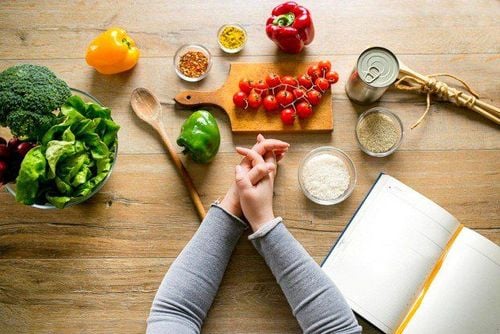
Many patients and their families wonder, "What should I eat after spinal surgery or disc herniation surgery?" Nutrition plays a vital role in the patient's healing process after surgery. To build a balanced and healthy diet for post-operative patients, the following foods should be included:
1.1 Protein-rich foods
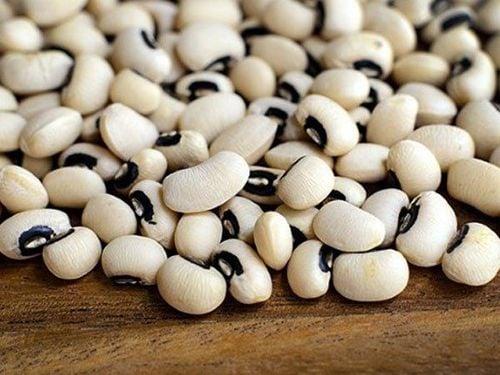
Protein is one of the key components that make up the body's cells. It plays a role in promoting tissue regeneration (muscles, bones) and shortening wound healing time. Therefore, patients after spinal disc herniation surgery should eat protein-rich foods, especially healthy and easily digestible proteins such as legumes, fish, eggs, mushrooms, and milk.
Patients should limit red meat consumption because it contains high levels of saturated fats and uric acid, which can increase inflammation and worsen joint pain.
1.2 Foods high in calcium and phosphorus
Calcium and phosphorus are essential minerals that maintain bone density. It is important to balance the ratio of these two minerals when supplementing after spinal disc herniation surgery. If the body receives too much phosphorus, it may cause calcium imbalance, forcing the body to extract calcium from the bones to regulate levels, leading to reduced bone calcium content.
Recommended calcium- and phosphorus-rich foods for post-operative patients include: milk, dairy products, leafy greens, shellfish, bok choy, radishes, cabbage, broccoli, cashew nuts, and bone broth.

1.3 Vitamin-rich foods
Post-operative patients should consume foods rich in B vitamins, such as:
- B vitamins: Found in whole grains, mushrooms, avocados, lean meats, and broccoli, among others. Vitamin B9 and B12 play a crucial role in blood formation, while vitamin B1 improves blood circulation. Vitamin B2 enhances immunity by delivering essential nutrients and anti-inflammatory factors to aid wound healing. Additionally, B vitamins help reduce nerve pain, making patients feel more comfortable and relieved after surgery.
- Vitamin C: Acts as a powerful antioxidant and significantly boosts immunity, supporting the healing process of joint and disc injuries while improving ligament flexibility. Moreover, vitamin C enhances iron absorption, a key component in blood formation, which helps accelerate wound closure. Foods rich in vitamin C that post-disc herniation surgery patients should include in their diet are oranges, tangerines, lemons, guavas, bell peppers, strawberries, broccoli, sweet potatoes, and kiwis.
- Vitamin D: Plays a vital role in the metabolism and absorption of phosphorus and calcium in the body. It is abundant in fish, shrimp, eggs, mushrooms, beef liver, and whole grains.
- Vitamin K: Supports the synthesis of essential proteins in the body. Foods rich in vitamin K include animal liver, pork, asparagus, and dairy products.
- Vitamin E: Strengthens the immune system and helps reduce inflammation and pain. Vitamin E is found in papayas, carrots, olive oil, and tomatoes.
1.4 Foods containing glucosamine and chondroitin
Glucosamine and chondroitin stimulate joint lubrication production, heal disc annulus fibrosus, inhibit cartilage-degrading enzymes, and enhance spinal flexibility and movement. Foods rich in glucosamine and chondroitin include peanuts, almonds, bone broth, animal cartilage, and fish.
1.5 Other beneficial food groups
- Omega-3-rich foods: Help stimulate collagen production, repair damage, and strengthen disc annulus fibrosus. Found in salmon, walnuts, pumpkin, and cauliflower.
- Fiber-rich foods: Support digestive health, weight management, and reduce spinal pressure. Fiber intake also prevents constipation, a common issue after surgery due to reduced activity. Found in vegetables and fresh fruits.
- Magnesium-rich foods: Help maintain bone calcium levels and strengthen bone structure. Found in yogurt, legumes, leafy greens, and avocados.

2. What to avoid after spinal surgery or disc herniation surgery?
Besides recommended foods, post-operative patients should avoid the following:
- Foods containing fructose and purines: These compounds increase inflammation and exacerbate pain. Avoid organ meats, pickled vegetables, sardines, etc.
- Omega-6-rich foods: Excessive intake causes fluid retention, hinders blood circulation, and slows healing.
- Spicy, salty, or overly sweet foods: These interfere with calcium and mineral absorption and worsen inflammation and pain.
- Oily and fried foods: These reduce bone calcium density and increase osteoporosis risk.
- Alcohol and stimulants: Alcohol, coffee, tobacco, and soft drinks hinder calcium absorption and can cause mental instability, leading to abnormal blood vessel constriction, delaying wound healing.
- Other foods to avoid: Fermented, canned, frozen foods, sticky rice products (xôi, bánh chưng), eggs, seafood, red meat, and vegetables with high latex content (water spinach, sweet potato leaves), as they may increase inflammation and swelling at the surgical site.
After spinal disc herniation or spine surgery, patients require special care with a proper diet to accelerate wound healing and restore mobility. Besides a nutritious diet, post-operative rehabilitation exercises are essential. Patients should attend follow-up appointments as scheduled and undergo physical therapy to enhance recovery. To ensure effective treatment and rehabilitation, patients should choose reputable medical facilities with modern equipment and experienced specialists for comprehensive care.
To arrange an appointment, please call HOTLINE or make your reservation directly HERE. You may also download the MyVinmec app to schedule appointments faster and manage your reservations more conveniently.