A torn tendon is an injury that occurs when a muscle is overstretched, causing a partial or complete tear of that muscle group. One of the most commonly affected sites is the hamstring tendon at the back of the thigh.
This article is reviewed by an Orthopaedic Trauma & Sports‑Medicine Physician - Department of General Surgery - Vinmec International General Hospital Phu Quoc.
1. Features of the hamstring tendon group
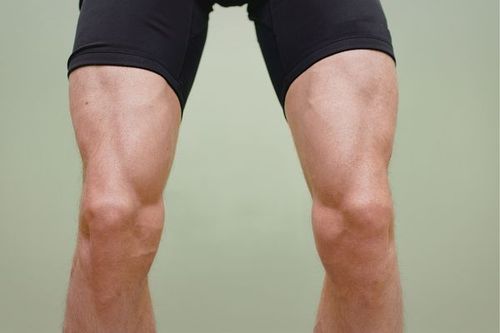
The hamstring muscle group consists of three muscles (the biceps femoris, semitendinosus and semimembranosus) located at the posterior thigh. Their origin is at the ischial tuberosity of the pelvis above, and their insertion is at the back of the knee below.
The primary function of the hamstrings is to perform actions such as knee flexion and thigh (hip) extension, and they play a very important role in everyday activities like running, jumping and general body movement.
2. What is a hamstring tendon tear?
A hamstring tendon tear occurs when the muscle fibres are overstretched or even partially or completely torn. The tear may be located at the attachment point of the three hamstring muscles or along the muscle fibres’ path. Sometimes a snapping sound (“pop”) is heard when the fibres tear.
Hamstring tendon tears are classified into three grades:
- Grade 1: The mildest; only fibres are overstretched but not torn. Patients feel pain and mild swelling at the back of the thigh.
- Grade 2: At this level some muscle fibres are torn or partly detached from the tendon sheath. The patient has more pain, swelling and functional difficulty.
- Grade 3: The most severe and rare; the hamstring is completely torn and detached from the tendon insertion. Typical signs include intense pain, marked swelling and bruising, and complete loss of hamstring function.
4. Signs to recognize a hamstring tendon tear
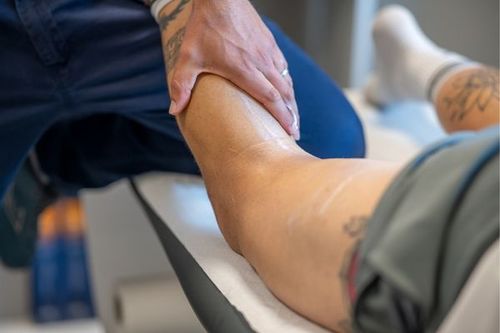
If an athlete performs an intense movement and then experiences the following, a hamstring tendon tear may be suspected:
- A sudden sharp pain at the back of the thigh when flexing the knee or during walking, running or jumping. The pain may be mild or severe depending on the degree of the tear and does not reliably improve with rest.
- Swelling and bruising at the back of the thigh.
- Weakness or complete loss of function of the hamstring in the affected thigh.
5. How is a hamstring tendon tear treated?
One very effective home method is the RICE protocol:
- R – Rest: When the hamstring is torn, one of the most important steps is to allow that muscle group adequate rest and time to recover.
- I – Ice: Apply cold to the affected area for about 10–15 minutes each time with the aim of reducing swelling and pain. Cold therapy should be applied within the first 24 hours after the tear.
- C – Compression: Wrapping the injured muscle helps reduce swelling and lets the muscle rest. Use a wrap or elastic bandage around the thigh with moderate pressure.
- E – Elevation: Elevating the injured leg helps the thigh area reduce swelling and supports drainage of blood/ inflammatory fluid toward the heart.
Additionally, some medications for pain and swelling control include non‑steroidal anti‑inflammatory drugs (NSAIDs) such as ibuprofen and naproxen, or simple analgesics like acetaminophen (paracetamol). Muscle relaxants or anti‑edema medications may also be used.

6. How long until a hamstring tendon tear heals?
The recovery time differs depending on the grade of the tear. Grade 1 and 2 injuries typically recover in 3‑5 weeks and the patient may return to normal activities. In the most severe case (grade 3) or after surgical tendon repair, recovery may take around 6 months, along with physiotherapy, before returning to normal activity.

There are many causes of hamstring tendon tear but most often it occurs in sports athletes, with overload, insufficient warm‑up, lack of activity… Treatment depends on the degree of the injury.
6. How long until a hamstring tendon tear heals?
The recovery time differs depending on the grade of the tear. Grade 1 and 2 injuries typically recover in 3‑5 weeks and the patient may return to normal activities. In the most severe case (grade 3) or after surgical tendon repair, recovery may take around 6 months, along with physiotherapy, before returning to normal activity.
7. Prevention of hamstring tendon tears
- Perform thorough warm‑up of the hamstring muscles in particular and large muscle groups in general before intense activity.
- Maintain a daily routine of nutrition and exercise to preserve muscle health, weight control and strength of the hamstrings.
- Avoid performing movement with incorrect posture or lifting weights beyond safe limits.
- Use protective gear, sport‑equipment that supports your activity and reduces risk of hamstring tears.
- For professional athletes: follow the instruction of your coach, sports physician and maintain a suitable nutritional regimen.

There are many causes of hamstring tendon tear but most often it occurs in sports athletes, with overload, insufficient warm‑up, lack of activity… Treatment depends on the degree of the injury.
To arrange an appointment, please call HOTLINE or make your reservation directly HERE. You may also download the MyVinmec app to schedule appointments faster and manage your reservations more conveniently.