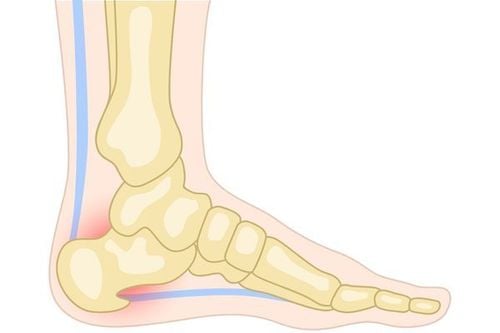
If you unfortunately suffer a tendon rupture in the hand and/or foot, the victim should be taken to the emergency department for surgical repair and functional recovery as soon as possible. Untreated tendon ruptures in the hands or feet can lead to prolonged loss of motor function. The prognosis of surgery for tendon rupture depends on the location and severity of the tendon injury.
1. What Is a Tendon?
Tendons are tough bands of connective tissue that attach muscle to bone. When a muscle contracts, tendons pull certain bones, allowing the body to perform various movements. Tendons in the hands and feet are among the most active in the body, extending from the shoulder joint, arm, foot, lower leg, and thigh. Some large tendons are located in the thigh area.
In the hand, tendons are divided into two groups:
- Extensor tendons: Run from the forearm across the back of the hand to the fingers and thumb. They allow you to straighten your fingers and thumb.
- Flexor tendons: Run from the forearm through the wrist and palm, allowing you to bend your fingers.
Although uncommon, tendon ruptures in the hands and feet can cause severe consequences. Patients often experience intense pain and permanent loss of function if untreated.
Tendon ruptures can be treated conservatively with medication or surgically repaired, depending on severity and surgeon experience. Surgery is often required to treat tendon ruptures in the hands and feet.

2. Causes of Tendon Rupture in Hands and Feet
Injuries and accidents are the main causes of tendon ruptures in the hands and feet. Possible injury scenarios include:
- Cuts: Deep cuts on the back or palm of the hand or foot can sever tendons if deep enough.
- Sports injuries: These are diverse and can cause various tendon ruptures in typical positions. For example, extensor tendons may rupture when fingers are hyperflexed (e.g., catching a ball), flexor tendons may be pulled from the bone when grabbing an opponent’s jersey (e.g., rugby), and pulley tendons can rupture during strenuous activities like climbing.
- Bites: Animal or human bites can damage and rupture tendons, such as punching someone’s teeth.
- Crush injuries: Finger caught in a door or hand crushed in a car accident can split or rupture tendons, often with bone and soft tissue damage.
Musculoskeletal diseases: Rheumatoid arthritis can inflame tendons, increasing the risk of rupture in severe cases.
3. Surgical Treatment for Tendon Rupture in the Hands
Surgical tendon repair is indicated when one or more tendons in the hand are ruptured or torn, causing loss of normal hand movement.
If the extensor tendons are ruptured, you will be unable to straighten one or more fingers. Conversely, if the flexor tendons are ruptured, you will not be able to bend one or more fingers.
Before surgery, X-rays of the hand and forearm may be ordered to detect associated injuries like fractures that might require repair.
Tendon repair surgery is not typically an emergency but should be performed as soon as possible after injury—usually within a few days. This is because the longer the tendon ends remain ruptured, the more scar tissue forms, limiting hand movement even after surgery. Depending on the wound, antibiotics and tetanus vaccines may be given preoperatively to prevent infection.
3.1 Extensor Tendon Repair Surgery
Extensor tendon repair is usually done under regional or general anesthesia. Regional anesthesia involves an injection to numb a part of your body completely, such as the arm via injection at the neck or shoulder.
If the tendon was cut, the wound is thoroughly cleaned. An incision may be extended to expose the tendon ends, which are then sutured together.
The wound is closed with stitches, and a rigid splint (usually plaster) is applied to protect the hand. The splint restricts movement during the early postoperative period to prevent damage to the repaired tendons.
If no other injuries are present, extensor tendon repair usually takes about 30 minutes.
3.2 Flexor Tendon Repair
Flexor tendon repair is also performed under regional or general anesthesia. A tourniquet is applied to the arm to restrict blood flow, improving visibility during surgery.
The surgeon extends the wound or makes an incision to locate the injured tendons and sutures the torn ends together. The wound is closed with stitches, and a plaster splint is applied to protect the repair.
Simple flexor tendon repair takes 45 to 60 minutes, but complex injuries may require more time.
3.3 Tendon Grafting
Sometimes, the tendon ends cannot be directly reattached due to severe damage or fraying. In such cases, tendon grafting is performed by harvesting a tendon from a healthy finger and attaching it to the injured finger or thumb. This is called tendon transfer or grafting.

4. Surgical Treatment for Tendon Rupture in the Feet
Several tendons in the foot can be ruptured or torn, including the popliteal tendon, posterior tibial tendon, and Achilles tendon. Popliteal tendon rupture may occur after ankle sprains or chronic ankle instability. Symptoms include pain, swelling, and instability around the lateral back of the ankle.
Foot specialists may recommend MRI to assess the injury extent and check for associated ligament tears, arthritis, or cartilage damage. Conservative treatment includes rest, ice, elevation, immobilization with splints or casts, anti-inflammatory drugs, and physical therapy.
If conservative treatment fails, surgery may be needed to repair the tendon. The posterior tibial tendon supports the arch of the foot during walking, and dysfunction can cause flatfoot deformity. Surgical repair can restore arch support and function.
The Achilles tendon is one of the longest tendons in the body, connecting the heel bone to the calf muscles. Rupture often occurs during sudden stretching activities like sprinting. Symptoms include pain, swelling, bruising, and inability to point the foot downward or stand on tiptoes. Surgery is often recommended to repair the tendon.
To arrange an appointment, please call HOTLINE or make your reservation directly HERE. You may also download the MyVinmec app to schedule appointments faster and manage your reservations more conveniently.