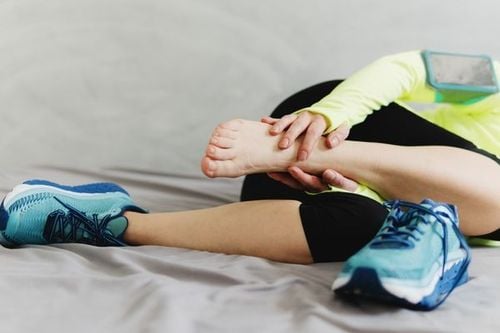

Apart from symptoms such as headache and dizziness after drinking alcohol, some people experience joint and muscle pain. Generally, joint pain and fatigue after alcohol consumption are not immediately dangerous, but over time, frequent drinking can lead to significant health risks, affecting various bodily functions.
The article is medically reviewed by MSc, MD. Le Duong Tien – Internal Medicine, Musculoskeletal Specialist – Department of Internal Medicine and Outpatient Clinic – Vinmec Da Nang International General Hospital.
1. Why do you experience joint pain and fatigue after drinking alcohol?
Similar to some foods and beverages, alcohol can trigger allergic reactions in certain individuals. Mild alcohol allergies may cause rashes and itching, while severe cases can lead to anaphylaxis, which is life-threatening without prompt treatment.
However, depending on individual tolerance, some people may feel heart palpitations, trembling hands and feet, or dizziness after only a small amount. Notably, others experience joint pain and fatigue. The causes of joint pain after drinking alcohol include:
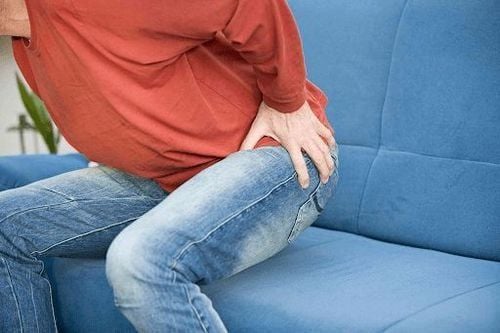
- Prolonged sitting: Joint stiffness and poor circulation can occur when sitting for long periods while drinking. Incorrect sleeping posture after intoxication can also cause joint pain upon waking.
- Venous dilation: Alcohol causes blood vessels to dilate and pool, resulting in discomfort such as joint pain or tingling in the limbs.
- Electrolyte imbalance: Excessive alcohol disrupts electrolytes and reduces lubrication in the joints, leading to muscle and joint fatigue.
- Alcohol allergy:allergic reactions after alcohol consumption include red skin, hives, headaches, nausea and rapid heartbeat — occasionally accompanied by musculoskeletal pain in some people.
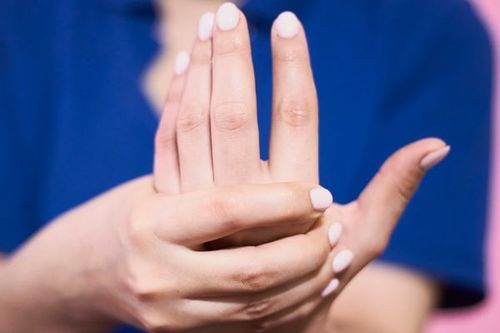
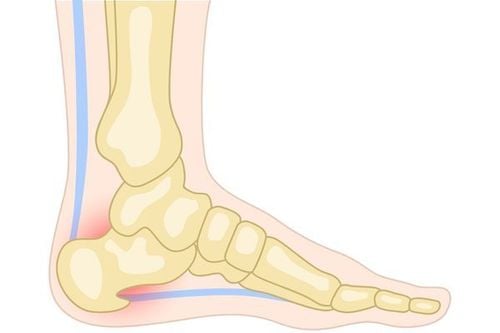
- Gout: This is the most common cause. Alcohol raises uric acid levels, leading to gout characterized by pain, swelling, and redness in joints such as the toes and fingers. Chronic gout can deform joints and cause disability if untreated.
In addition, frequent heavy drinking increases the risk of liver diseases (hepatitis, cirrhosis), gastrointestinal ulcers, and bleeding. If you develop symptoms after drinking, it’s best to avoid alcohol entirely.
2. Is joint pain after drinking alcohol dangerous?
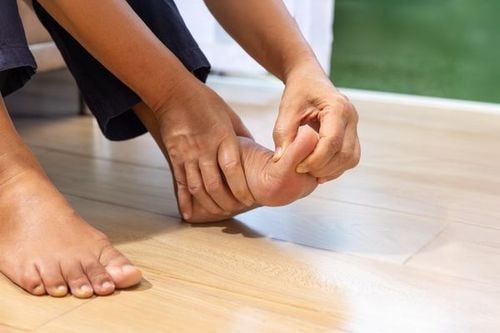
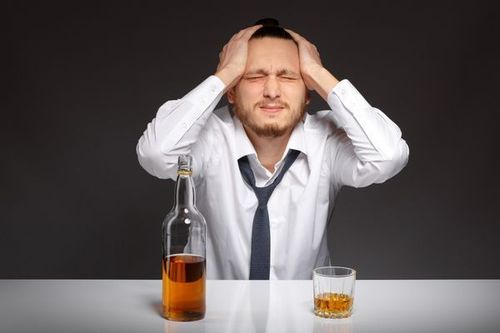
Along with dizziness and headache, many experience temporary pain in the fingers and toes after drinking.
This extremity pain typically lasts only a short time — one to two days — and resolves spontaneously without recurrence in healthy individuals.
Though this pain is brief, it can cause discomfort and affect daily life due to a constant fatigue and tingling sensation in the fingers and toes
However, prolonged or recurring pain may indicate an underlying musculoskeletal condition that requires medical attention. Early diagnosis and treatment are essential to prevent complications.
In summary, while occasional joint pain after drinking alcohol is not immediately dangerous, long-term or frequent drinking poses significant risks to multiple organ systems.
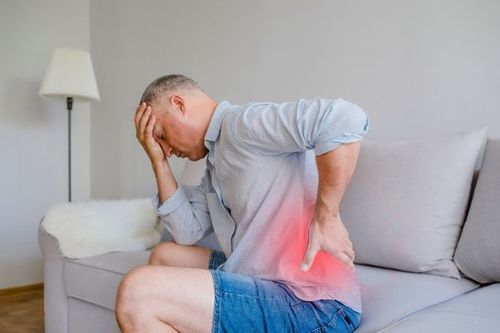
3. How to prevent joint pain after drinking alcohol
The best prevention for joint pain is to limit or avoid alcohol consumption. If the discomfort is not related to an underlying disease, the following tips may help:
- Stay hydrated: Water is very important for the body because it lubricates the joints, which limits joint pain. Drinking water after waking up (about 200 ml of warm water) and maintaining at least 2 liters daily will support joint lubrication and detoxification.
- Balanced diet: Avoid refined carbs, sugars, and saturated fats when consuming alcohol as they all promote inflammation. A proper diet while consuming alcohol is necessary. Eat plenty of vegetables such as bell peppers, carrots, and cabbage, and foods rich in omega-3 fatty acids to reduce inflammation.
- Adequate rest: Quality sleep helps the body recover from alcohol-related fatigue and joint discomfort. Choose a soft mattress and avoid high pillows to keep the neck and spine relaxed.
- Warm salt-water foot soak: This can partly reduce joint pain after alcohol consumption. A warm soak promotes relaxation, improves circulation, and relieves post-drinking numbness or pain. Soak feet for several minutes before bedtime.
- Light exercise: Gentle walking after drinking can loosen muscles and prevent joint stiffness from prolonged sitting.
Ultimately, the most effective way to prevent joint pain after drinking is to reduce alcohol intake, which also protects the liver, kidneys, and overall health.
When joint pain presents after drinking alcohol, a hospital visit is the safest way to ensure proper health. Vinmec International General Hospital provides diagnosis and treatment for musculoskeletal conditions such as arthritis, degeneration, herniated discs, and chronic joint pain, using modern medical techniques performed by highly qualified specialists to ensure optimal treatment outcomes for patients.
To arrange an appointment, please call HOTLINE or make your reservation directly HERE. You may also download the MyVinmec app to schedule appointments faster and manage your reservations more conveniently.