Is Joint Dryness the Cause of Knee Cracking Sounds? The knee joint is one of the largest joints in the body, but over time and under various stresses, it may make cracking sounds during movement. What causes this phenomenon, and is joint dryness really to blame?
1. Causes of Cracking Sounds in the Knee Joint
The cracking sound in the knee joint is a musculoskeletal condition that frequently occurs in many people. It can be an early warning sign of joint problems that require timely examination and effective treatment.
When patients hear cracking sounds in their knees, the causes may include:
Pathological causes:
- Knee osteoarthritis: Cartilage is damaged and worn due to aging. Osteoarthritis is common in middle-aged and elderly individuals.
- Knee bone spurs: Complications from osteoarthritis may cause bone spurs, which are calcium deposits filling the gaps left by worn cartilage. Bone spurs can cause cracking sounds, pain, and inflammation during movement.
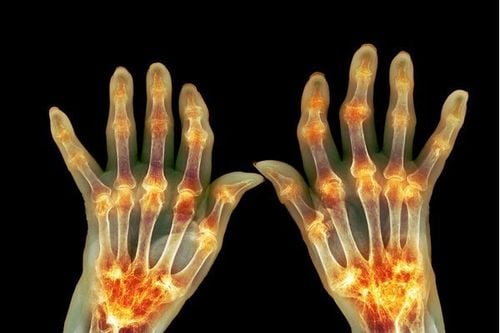
- Rheumatoid arthritis: This autoimmune disease causes the immune system to attack joint cartilage. During flare-ups, patients may experience cracking sounds, swelling, pain, and stiffness.
- Osteoporosis: Reduced bone density causes bones to become porous and fragile. Although osteoporosis does not usually cause severe pain, it may lead to mild aches and cracking sounds during movement.
- Other conditions: Cracking and pain in the knee joint can also be symptoms of gout, septic arthritis, or bursitis.
Physiological causes:
- Aging: With age, joints weaken and lose function partly due to decreased synovial fluid production, leading to cracking sounds and discomfort.
- Pregnancy: Sudden weight gain and uterine expansion can cause hip and knee joints to ache and swell, resulting in cracking and pain during sudden movements.
- Hormonal changes: Sudden hormonal shifts can disrupt calcium metabolism, reducing bone density and causing joint cracking and pain.
- Lack of physical activity: Inactivity can increase the risk of chronic joint diseases. Reduced secretion of joint fluid leads to dryness, pain, and cracking sounds.
- Heavy lifting or improper posture: Carrying heavy loads or poor posture stresses the knee joints, causing cartilage wear and damage, which can progress to osteoarthritis or inflammation if untreated.
2. Symptoms
- Cracking, grinding, or popping sounds in the knee accompanied by pain, dryness, or stiffness after rest.
- Difficulty sitting or standing up without support after waking or squatting for a long time.
- Hearing cracking sounds during leg movements such as bending, standing up, or sitting down.
- Increased cracking sounds with activity, often accompanied by pain or soreness.
- Sensation of muscle or ligament laxity around the knee.
- Looseness or instability in the knee joint.
- Tingling or numbness around the knee.
- Difficulty bending or straightening the leg, leading to walking difficulties.
- Swelling, redness, or warmth around the knee.
- Fatigue, tiredness, and poor sleep quality.
3. Treatment for Joint Dryness
There are many treatment options for knee joint cracking, including Western medicine, traditional medicine, and folk remedies. The choice depends on the cause, severity, and individual patient characteristics to achieve the most effective results.
Western medicine treatments:
- Physical therapy: If cracking sounds are occasional and pain is mild, physical therapy exercises such as massage or joint mobilization may be recommended.
- Medication: If needed, doctors may prescribe pain relievers like acetaminophen, non-steroidal anti-inflammatory drugs (NSAIDs) such as ibuprofen, aspirin, or naproxen.
- Viscosupplementation: Injecting hyaluronic acid into the knee joint can increase lubrication and reduce friction, decreasing cracking sounds.
- Corticosteroid injections: These reduce swelling, pain, and joint noises during movement.
Home remedies:
- Hot or cold compresses: Cold packs can reduce inflammation and pain after injury; warm compresses can improve blood circulation and relieve joint cracking if there is no inflammation.
- Sun exposure: Morning sunlight provides vitamin D, which strengthens bones and improves immune function. Daily 10–15 minutes of sun exposure between 6-10 AM is recommended.
- Proper rest: Avoid overexertion to allow joint recovery and symptom reduction.
Lifestyle changes:
- Change bad habits that contribute to joint issues, and to reduce pain.
- Eat a diet rich in calcium, vitamins, and fiber for bone health.
- Control body weight to reduce joint stress.
- Avoid foods and drinks harmful to joints, such as alcohol, soda, tobacco, spicy, and fatty foods.
Traditional medicine:
- A well-known recipe called “An Cốt Nam’’ can help with joint cracking
- An Cot Nam herbal remedy: This traditional treatment uses Vietnamese herbal medicine to improve joint health.
- Gotu kola root: 30g of dried root boiled with 2 liters of water, consumed throughout the day as a tea replacement.
- Strychnos herb: 20g of dried herb boiled as medicine or applied topically with other herbs and alcohol for knee pain relief.
4. Prevention
Knee joint cracking affects mobility and mental well-being, causing anxiety and distraction. Prevention includes:
- Regular exercise for 15-30 minutes daily with age-appropriate movements.
- Office workers should stand and move every 2 hours to relax muscles and tendons.
- Avoid heavy or excessive physical labor.
- Eat a diet rich in calcium, vitamins, and fiber.
- Avoid harmful substances like alcohol, carbonated drinks, tobacco, and unhealthy foods.
- Maintain a healthy weight to prevent joint overload.
- Rest properly to allow joints to heal.
In summary, if knee joint cracking is caused by chronic joint diseases, patients should see a doctor for diagnosis and early treatment. After diagnosis, the doctor will recommend appropriate treatment plans for each case.
To arrange an appointment, please call HOTLINE or make your reservation directly HERE. You may also download the MyVinmec app to schedule appointments faster and manage your reservations more conveniently.