
This article was professionally consulted by MSc, MD Le Quang Minh - Orthopaedic Trauma Surgeon - Department of General Surgery, Vinmec International General Hospital, Đà Nẵng.
1. Surgical‑site infection
Incidence: about 0.2 - 3%. More common in patients using allograft tendon grafts. A wound fistula may occur in the early weeks post‑op or even 2 - 3 years later. If a fistula develops, the patient requires repeated irrigation and dressing changes until the wound fully closes and scars.
2. Viral transmission
Viruses such as HIV or hepatitis C can potentially be transmitted from an allograft tendon, even though the graft has been processed. The risk is extremely low (around 1 in 1 000 000).
3. Bleeding and thromboembolism
Bleeding due to popliteal artery injury has a rate of 0.01%. Another complication is deep vein thrombosis (DVT) in the calf post‑op with a rate of approximately 0.12%.
4. Knee laxity (Looseness)
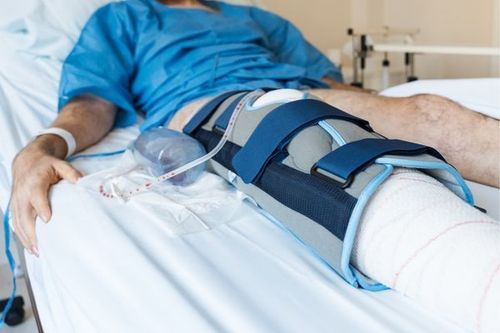
Knee laxity due to graft rupture or elongation after surgery can occur, with reported rates between 2.4% and 34%. Loose knee after surgery is a common complication, often linked to inadequate post‑operative rehabilitation, uncontrolled return to activity, or re‑injury, resulting in graft failure.
5. Muscle atrophy
Muscle atrophy is a fairly common complication after arthroscopic ACL reconstruction. The main cause is limited mobility of the operated leg for a prolonged period. Good rehabilitation is required to counteract this.
6. Limited range of motion, loss of knee extension
Patients may face limitation of knee motion (especially extension) in over 5% of cases. Loss of extension is serious, and it might occur in patients who had patellar‑tendon autograft or suffered a patellar fracture or tendon tear. One cause is reconstructing too early after injury when the joint is still swollen or lacks full motion, leading to postoperative tightness, swelling and inability to rehab early. Another cause is technical error: if the tibial tunnel is drilled too anteriorly it may limit extension, or drilled too posteriorly it may limit flexion - in these scenarios revision surgery may become necessary.
7. Growth‑plate cartilage injury leading to bone growth disturbance
Cartilage growth‑plate injury is more likely in children whose growth plates are still open. In young patients with ACL tear, surgery may need to be delayed until growth plates close, or choose techniques carefully to minimise this risk.
8. Knee effusion (fluid accumulation)
After ACL reconstruction there is often knee joint effusion, especially in patients without drainage. This is due to intra - operative tissue & meniscus removal and bone tunnel drilling. The effusion tends to diminish over days.
If effusion persists for several weeks but there is no infection or other abnormal signs, it may be benign as the body gradually resorbs the fluid.
9. Bruising in the back of thigh and calf
Graft harvesting (e.g., hamstring tendons) involves dissection which can injure small vessels; this causes bruising (ecchymosis) on the inner thigh and calf. The bruise colour evolves from purple to greenish - yellow, and usually resolves in about 3 weeks.
10. Numbness / sensory disturbance
Some patients experience numbness in the anterolateral aspect of the lower leg, near the surgical scar; this numbness may be temporary but can also persist.
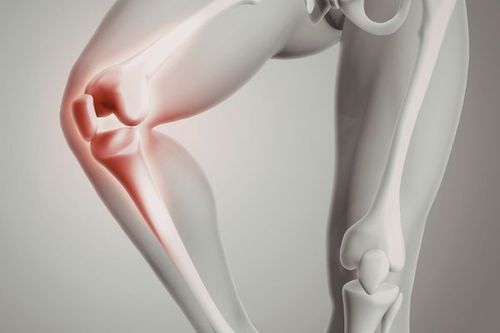
The hamstring tendons used for ligament reconstruction are typically attached to the anteromedial surface of the tibia, just below the tibial tuberosity. The sensory branch of the saphenous nerve runs very close to these tendons, giving off sensory branches to the anterior-medial and anterolateral regions of the lower leg.
Harvesting the tendon requires the surgeon to make an incision on the anteromedial aspect of the lower leg, very close to the tibial tuberosity, which may cause injury or stretching of the sensory branch of the saphenous nerve. The rate of sensory impairment ranges from 10 - 70%, depending on the surgeon’s experience. The recovery speed depends on the extent of the injury, but typically, complete recovery occurs after 3 - 6 months.
11. Knee pain
There are many causes of knee pain after ACL reconstruction: surgical errors, patient factors, meniscus or cartilage damage.
12. Joint crepitus
Some patients hear clicking in the knee during flexion/extension due to concomitant meniscus injury. If a meniscus is cut, the cushioning is lost and bone‑on‑bone surfaces may produce sound.
Another cause is unstable joint lubrication: after surgery synovial fluid production may be abnormal, affecting joint glide.
When undergoing arthroscopic ACL reconstruction, patients may face unwanted complications. Therefore, when opting for surgery, patients should choose a reputable medical centre with specialist knee and rehabilitation services.
To arrange an appointment, please call HOTLINE or make your reservation directly HERE. You may also download the MyVinmec app to schedule appointments faster and manage your reservations more conveniently.