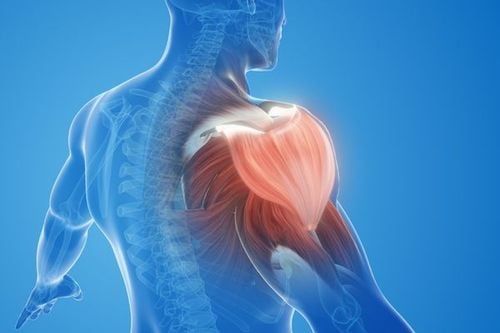
The shoulder is 1 of the most active parts of the body with a highly flexible range of motion. Therefore, shoulder blade pain can significantly affect movement, daily activities, and work. So, what is shoulder blade pain, and what are the effective treatment methods? Let’s explore these questions in the following article.
1. What is shoulder blade pain?
Shoulder blade pain refers to discomfort in the shoulder area that can lead to difficulty moving the arm, swelling around the shoulder blade, and restricted mobility. This condition is quite common in the general population, ranking just after lower back pain in prevalence, with an estimated 20% of people experiencing shoulder pain at some point in their lives.
Shoulder blade pain can affect individuals of any age or gender. In younger people, it is often caused by poor posture, prolonged heavy labor, or injury. In contrast, among older adults, shoulder blade pain is mostly due to pathological causes such as degeneration or other musculoskeletal diseases. If the underlying cause is not identified and treated properly, the condition may persist chronically over time.
2. Causes of Shoulder Blade Pain
2.1. Periarthritis of the Shoulder
This condition involves damage to the shoulder joint, which may affect the cartilage or bone ends, causing pain and limited movement. If the inflammation is mild, the pain may resolve on its own after some time. However, in severe cases, pain can radiate down the arm and forearm, with swelling around the shoulder blade, making it difficult or impossible to lift or move the arm.
If left untreated or without identifying the cause, periarthritis of the shoulder can lead to chronic joint pain and long-term complications in the shoulder area, including weakness and muscle atrophy, resulting in loss of arm function.
Some causes of shoulder periarthritis include:
- Age: Older adults are more prone to shoulder periarthritis due to degenerative changes.
- Improper movement or posture: Activities involving uneven use of one shoulder, such as heavy lifting or repetitive motions, increase the risk in athletes.
- Occupation: Jobs requiring frequent overhead arm movements or work involving machinery vibration can contribute.
Medication abuse: Overuse of certain drugs, such as anti-tuberculosis medications or sedatives, may increase the risk of shoulder pain.
2.2. Shoulder Osteoarthritis
The shoulder joint has the widest range of motion and is among the most frequently used joints in the body. Because of constant movement, it is prone to osteoarthritis. This condition results from the gradual wear of the cartilage, exposing the underlying bone. The rubbing of the exposed bone surfaces causes pain, especially during movement. Additionally, this friction leads to subchondral bone sclerosis, bone spurs, and cyst formation, which contribute to swelling and pain around the shoulder blade.
2.3. Shoulder Dislocation
Shoulder dislocation is the most common joint injury, accounting for approximately 50-60% of dislocations due to its large range of motion.
When dislocated, patients experience severe pain, reduced or complete loss of movement, and visible deformity of the arm, which is externally rotated about 30-40 degrees compared to the shoulder. Bruising may appear around the dislocated joint, along with numbness or weakness in the arm.
2.4. Shoulder Blade Injuries
Shoulder injuries are common and may result from daily activities or sports. The shoulder often undergoes repetitive movements such as lifting and rotating the arm, which are typical in sports like volleyball, basketball, and swimming.
In addition, injuries can occur due to accidents during daily tasks or work, such as hanging laundry, reaching overhead, or falling and landing directly on the shoulder.
3. Common Symptoms of Shoulder Blade Pain
- The symptoms of shoulder blade pain vary depending on the underlying cause, and may include:
- Severe pain in the shoulder blade area, which can radiate to other parts such as the neck, upper arm, forearm, or hand.
- Swelling and bruising around the shoulder blade, joint, or arm.
Injuries or deformities of the shoulder joint or arm. - Pain that often occurs at night or during rest, may last for a long time, and worsens with activity.
- Inability to lift the arm, rotate the shoulder, or perform other movements.
- Redness, warmth, and swelling around the shoulder blade, possibly accompanied by fever or signs of infection.
- In some cases, other abnormal symptoms may appear, such as abdominal pain, difficulty breathing, or an increased heart rate, particularly when the pain occurs.
4. Effective Treatments for Shoulder Blade Pain
Treatment for shoulder blade pain depends on its severity and underlying cause. Below are several effective approaches:
4.1. Resting the Shoulder Joint
This method is suitable when the pain is caused by overreaching, excessive physical activity, or heavy labor. In most cases, these types of pain will resolve on their own if you allow the body adequate time to rest and avoid overuse. Resting helps relax the muscles, ligaments, and cartilage in the shoulder that may be strained from overactivity.
However, doctors recommend that this method should only be used for a maximum of 3 days. If the pain does not subside after this period, other treatment options should be considered, as prolonged rest may lead to back stiffness and poor blood circulation.
4.2. Taking Pain Relievers
In cases of severe pain that limit mobility or involve significant inflammation, doctors may prescribe pain relievers to reduce symptoms and inflammation.
Depending on the intensity of the pain, two main categories of medication may be prescribed:
Nonsteroidal Anti-inflammatory Drugs (NSAIDs): These are used for mild to moderate pain and inflammation, especially when pain is due to inflammation. Common examples include ibuprofen, diclofenac, and naproxen sodium.
Analgesics: These help alleviate moderate to severe pain by blocking pain signals from the nervous system. They typically provide relief within 10–15 minutes. Common examples include acetaminophen and aspirin.
4.3. Acupoint Massage Therapy and Physiotherapy
This approach combines principles from both Western medicine and traditional therapies. Patients may undergo acupressure massage, acupuncture to relax muscles, followed by physical therapy to enhance results.
Therapies may include electrical stimulation, heat therapy, shortwave therapy, or ultrasound. In addition, stretching, manipulation, and specific shoulder exercises can help relieve pain and improve mobility—often without the need for invasive treatment.
4.4. Surgical Treatment
If the shoulder blade pain is caused by trauma, joint conditions, or does not improve with conservative treatments, surgical intervention may be necessary.
Surgery can restore the anatomical structure of the joint and correct underlying issues that cause persistent shoulder pain.
5. Preventive Measures for Shoulder Joint Pain
You can take the following steps to help prevent shoulder pain during daily activities and work:
- Warm up thoroughly before exercising or engaging in strenuous physical activity.
- Maintain a diet rich in vitamin D and calcium to strengthen bones and help prevent musculoskeletal disorders.
- Avoid high-intensity or prolonged shoulder movements, as they can easily lead to injuries involving muscles, ligaments, or joint cartilage.
- After physical exertion or sports, ensure adequate rest time to allow the body to recover and regain flexibility.
- Incorporate stretching exercises and mobility training to enhance joint flexibility, muscle strength, and overall body coordination.
In summary, shoulder blade pain is a common condition with various causes. Patients are encouraged to adopt simple preventive and therapeutic measures to relieve discomfort. In cases of severe or persistent pain—especially when caused by underlying medical conditions—consultation with a specialist is recommended for accurate diagnosis and targeted treatment.
To arrange an appointment, please call HOTLINE or make your reservation directly HERE. You may also download the MyVinmec app to schedule appointments faster and manage your reservations more conveniently.