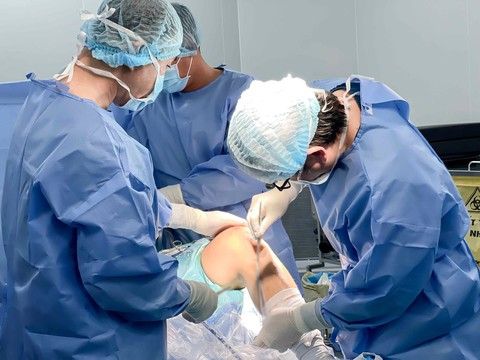

Treatment methods for synovial cysts of the knee are diverse. Depending on the severity and the timing of treatment, different approaches are used. Although this is a common and generally non-dangerous condition, patients should understand it thoroughly to minimize complications.
This article was written under the professional guidance of MSc, MD. Le Duong Tien - Rheumatologist, Department of Outpatient and Internal Medicine, Vinmec Da Nang International Hospital
1. What Is a Synovial Cyst of the Knee Joint?
This condition occurs when the synovial membrane produces an excessive amount of fluid, often due to injury or intra-articular abnormalities, leading to knee effusion. When pressure within the joint increases, the fluid may herniate backward, forming what is known as a synovial cyst (also called a Baker’s cyst).
Typically, a synovial cyst is benign and non-cancerous, with a small volume that causes minimal impact on knee function. However, in some cases, the cyst may enlarge and cause pain or discomfort during movement, particularly when walking, bending, or squatting.
Although cyst size can fluctuate, it rarely compresses nearby structures such as nerves or blood vessels. In rare cases, the cyst may rupture, leading to sudden pain, swelling, redness, and warmth in the calf, or complications such as vein obstruction or muscle injury.
2. Causes of Synovial Cysts in the Knee
Patients should be aware of common causes that lead to this condition:
2.1. Trauma
In sports injuries or traffic accidents, sudden forceful impact to the knee joint can cause cartilage detachment or rupture. When this occurs, the synovial membrane may react by producing excess fluid, leading to joint effusion and cyst formation. Clinically, this presents as swelling or a palpable lump.
2.2. Repetitive Knee Activity
Jobs or activities requiring frequent knee movement or pressure, such as athletics, may increase stress on the knee joint. Over time, this may damage the synovial membrane, resulting in inflammation or cyst formation.
Therefore, identifying the appropriate treatment method for the cyst based on its cause and stage is essential for effective recovery.
2.3. Risk Factors
Certain factors increase the likelihood of developing a synovial cyst:
- Age (more common in older adults)
- Overweight or obesity
- History of knee injury or arthritis

3. Diagnostic Methods for Synovial Cyst of the Knee
In many cases, synovial cysts cause no pain or obvious symptoms, making early detection difficult. However, patients should watch for the following signs:
- Pain behind the knee, often accompanied by the feeling of a small lump that may shrink or disappear when the leg is bent.
- Stiffness or limited range of motion in the knee, which may indicate an enlarged cyst interfering with joint movement.
- To confirm the diagnosis and determine an appropriate treatment approach, patients should undergo ultrasound examination at a medical facility. This allows for visualization of the size and location of the cyst, as well as potential cartilage or meniscus injuries, helping to clarify the underlying cause

To arrange an appointment, please call HOTLINE or make your reservation directly HERE. You may also download the MyVinmec app to schedule appointments faster and manage your reservations more conveniently.