
This article is medically advised by Specialist Doctor I Le Thi Phuong - Obstetrician and Gynecologist - Obstetrics and Gynecology Department - Vinmec Ha Long International General Hospital
The thickness of the endometrium changes according to age and the menstrual cycle under the influence of female sex hormones. The endometrium is thin after menstruation and in postmenopausal women, and thickens in pregnant women and during the second half of the menstrual cycle.
1. What is the endometrial lining?
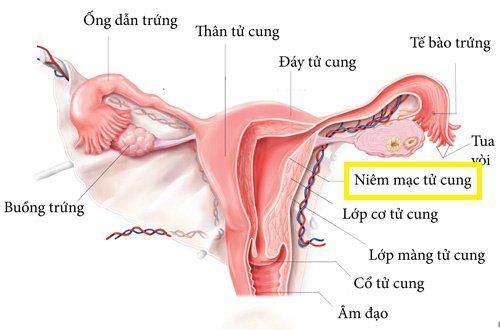
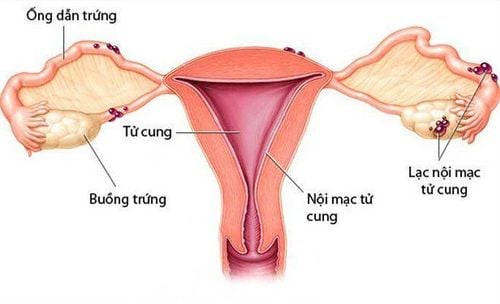
The endometrial lining, also known as the uterine mucosa, is essentially a cell layer that lines the inside of the uterus. This lining consists of two layers: the functional layer and the basal layer:
• The functional layer changes during the menstrual cycle.
• The basal layer does not change during the cycle.
The endometrium plays an important role in determining fertilization and the implantation of the fertilized egg. The functional layer serves as a source of nutrition and protection, ensuring the optimal development of the embryo. The endometrial lining thickens at the end of the menstrual cycle to prepare for the fertilized egg to implant. If pregnancy occurs, this lining will proliferate and become thicker. If pregnancy does not occur, due to a sudden drop in female sex hormones, the endometrium sheds and forms menstruation.
2. How does the endometrial lining change during the menstrual cycle?
The endometrial lining changes throughout the menstrual cycle under the influence of pituitary and ovarian hormones. The changes in the endometrial lining can be divided into two phases: the proliferative phase and the secretory phase.
Proliferative Phase
After menstruation, the endometrial lining sheds and forms menstruation. At this point, the endometrial lining is only a thin layer, about 3-4mm thick. At the end of the cycle, the levels of estrogen and progesterone drop suddenly, causing menstruation and triggering negative feedback regulation on the pituitary gland to increase the secretion of these two hormones. Under the influence of estrogen, the cells of the endometrium begin to proliferate rapidly. The surface of the endometrial lining thickens, and blood vessels also increase in number. By the end of the proliferative phase, the thickness of the endometrial lining reaches about 7-8mm.

Secretory Phase
Under the influence of hormones, the endometrial lining continues to proliferate in the second half of the menstrual cycle, reaching a thickness of about 8-12mm. Two days before menstruation, due to a sudden increase in hormone levels, the endometrial lining develops strongly, and at this point, the thickness of the endometrial lining can reach about 12-16mm.
If no pregnancy occurs, estrogen and progesterone levels suddenly drop, causing uterine blood vessels to constrict. As the endometrial lining no longer receives nourishment, it sheds and forms menstruation. The endometrial lining continues to proliferate in this cyclical pattern.
3. Abnormalities of the Endometrial Lining
Normally, the endometrial lining is about 7-8mm thick, 3-4mm after menstruation, and thickest between the middle and end of the menstrual cycle, ranging from 8-15mm. From these normal measurements that change according to the menstrual cycle, it is possible to determine whether the endometrial lining is thickened or thin.
Thin Endometrial Lining or Thin Uterine Lining
This occurs when the endometrial lining is less than 6mm thick and not during menstruation. When the endometrial lining is thin, conception becomes more difficult because the embryo cannot implant in the uterus to settle. In some cases of a thin endometrial lining, a fertilized egg may still implant and form a fetus, but because the lining is too thin, it cannot provide enough nutrients for the fetus to develop. This will affect fetal development, making it hard for the pregnancy to progress and may lead to miscarriage or stillbirth.
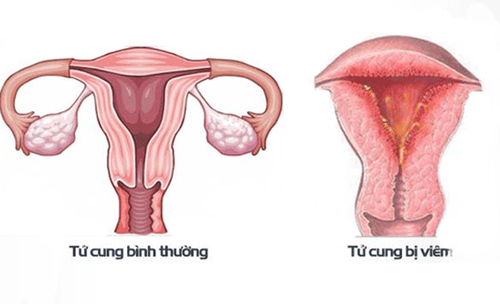
Some causes of a thin endometrial lining include: Low estrogen levels in the body; Uterine-related diseases such as tumors, infections, etc.; Multiple abortions; Complications from procedures or surgeries on the uterus leading to uterine adhesions.

Thick Endometrial Lining or Thick Uterine Lining
This occurs when the endometrial lining is thicker than 20mm. Women with this condition of endometrial hyperplasia often experience prolonged bleeding, secondary amenorrhea, and ovulation disorders. In this case, the chances of pregnancy are reduced because the thick lining obstructs the sperm from meeting the egg.
The causes of a thick endometrial lining include: Primarily hormonal imbalance, where estrogen levels increase more than progesterone, leading to endometrial hyperplasia; Polycystic ovary syndrome (PCOS); Continuous use of estrogen-containing medications without progesterone.
At different points in the menstrual cycle, the thickness of the endometrial lining varies, so an ultrasound at different times will show varying thickness. However, in some cases, an endometrial lining that is too thin or too thick can affect fertility, so it is advised to visit a specialized clinic for examination and consultation.
Read more:
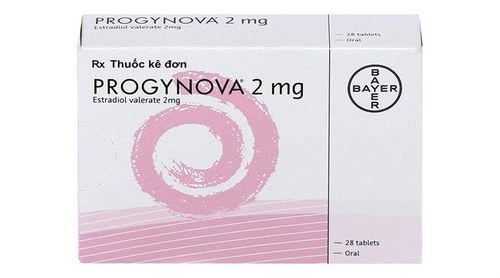
- Learning About Progynova for Thickening the Uterine Lining
- Endometrial changes during the menstrual cycle
To arrange an appointment, please call HOTLINE or make your reservation directly HERE. You may also download the MyVinmec app to schedule appointments faster and manage your reservations more conveniently.