Overweight during adolescence is a significant concern, as it can lead to the development of cardiovascular disease, hypertension, and dyslipidemia later in life. Therefore, adolescents with obesity are often encouraged to engage in weight loss. What are the safest and most effective methods for weight loss during this developmental stage?
1. Adolescence and Safe Effective Weight Loss
Weight loss can be beneficial for individuals of all ages, including adolescents. However, it is essential for teenagers to lose weight through healthy methods, implementing dietary and lifestyle changes that support their developing bodies and ensuring these changes are sustainable over the long term.

2. Safe Weight Loss Strategies for Adolescents
2.1. Set Healthy, Realistic Goals
Reducing excess body fat is an excellent approach to achieving better health. However, it is crucial to establish specific, healthy, and attainable goals. While decreasing body fat is essential for overweight adolescents, the primary focus should be on improving health rather than merely reducing body weight. The support and education provided by family members at home and in school are related to the success of weight loss efforts among adolescents and can help reinforce positive lifestyle changes.
2.2. Reduce Sugar-Sweetened Beverages
Perhaps one of the most effective methods for safe weight loss is to decrease the intake of sugar-sweetened beverages, despite their popularity among adolescents. Soft drinks, energy drinks, sweetened teas, and fruit juices typically contain high levels of sugar.
Research indicates that high sugar consumption can lead to weight gain in adolescents and may increase the risk of various health problems, such as metabolic syndrome, type 2 diabetes, non-alcoholic fatty liver disease, acne, and dental caries. Studies also suggest that adolescents are more likely to consume sugary beverages if their parents do the same, thus it would be beneficial for families to unite in reducing these unhealthy beverages.

2.3. Increase Physical Activity
Adolescents do not necessarily need to participate in a sports team or gym to become healthier. Simple modifications, such as reducing sedentary behavior and increasing movement, can effectively help reduce excess body fat. Enhancing overall daily activity can also increase muscle mass, enabling the body to burn calories more efficiently.
The key to achieving and maintaining physical fitness is to identify an activity that one genuinely enjoys; it may take some time to discover what specific sport or activity is preferred. Adolescents should try a new sport or activity each week until they find what suits them best. Hiking, cycling, soccer, yoga, swimming, and dancing are just a few activities for adolescents to consider. Additionally, engaging in other active hobbies, such as gardening or participating in community service like park or beach clean-ups, can be excellent ways to enhance activity levels. Moreover, physical activity can improve mood and has been shown to reduce symptoms of depression among adolescents.

2.4. Nourish the Body with Nutrient-Dense Foods
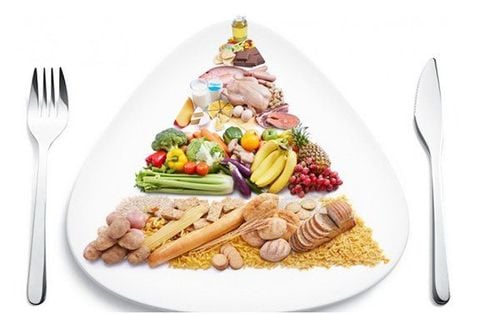
Instead of focusing on calorie content, prioritize foods based on nutrient density, which refers to the amount of nutrients within the food, including vitamins, minerals, and fiber.
During adolescence, which is still a period of growth, there is a higher demand for certain nutrients, such as phosphorus and calcium, compared to adults. Vegetables, fruits, whole grains, healthy fats, and sources of lean protein are not only nutritious but can also facilitate weight loss. For instance, the fiber found in vegetables, whole grains, and fruits, as well as protein sources such as eggs, chicken, legumes, and nuts, can help individuals feel fuller for longer between meals, thus preventing overeating.
2.5. Do not completely avoid fats
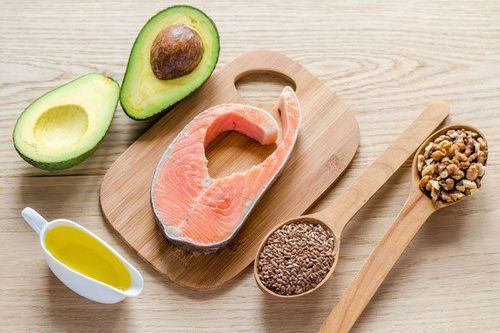
Due to their ongoing development, children and adolescents require a higher amount of fats compared to adults. In efforts to lose weight, individuals often eliminate fat sources from their diet because of their calorie content. However, excessively reducing fat can adversely affect growth and development, particularly in adolescents. Instead of significantly decreasing fat intake, it is advisable to substitute unhealthy fat sources with healthier ones.
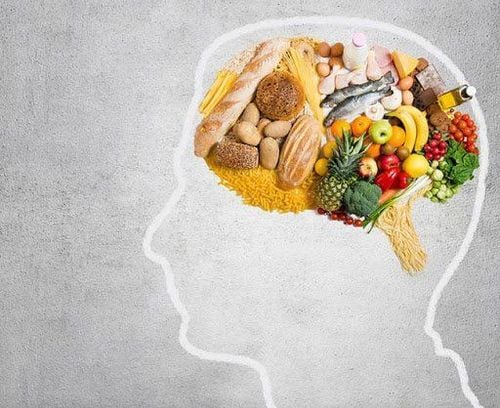
Replacing unhealthy fats, such as those found in fried foods and sugary baked goods, with sources like nuts, avocados, olive oil, and fatty fish can promote a healthy weight loss process. Healthy fats not only provide energy for a child's body but are also crucial for brain development and overall growth.
2.6. Limit added sugar intake
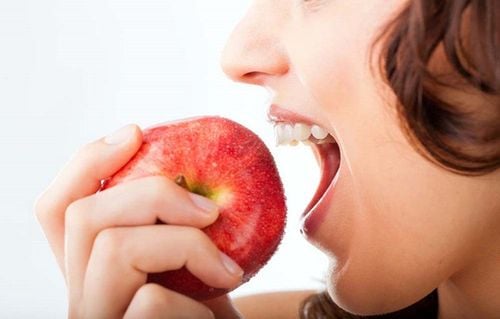
Adolescents often consume foods high in added sugars, such as candies, cookies, sugary cereals, and other processed foods containing added sugars. When attempting to improve health and reduce excess body weight, it is essential to cut down on added sugars. This is because most foods high in added sugars tend to be low in protein and fiber, which can increase hunger and lead to overeating throughout the day. A study involving 16 young women indicated that those consuming high-sugar beverages in the morning reported greater feelings of hunger and consumed more food at lunch compared to those who ingested lower-sugar options. Sugary foods not only increase feelings of hunger but also may negatively impact academic performance, sleep, and mood among adolescents.
2.7. Avoid following unfounded diets
The pressure to safely lose weight during adolescence may lead many teenagers to try diets based on unscientific methods. Numerous such diets exist, with some even being endorsed by celebrities. It is crucial to understand that diets, particularly trendy restrictive ones, rarely yield long-term benefits and may indeed harm health.
Highly restrictive diets are often difficult to maintain and seldom provide all the essential nutrients that a child's body requires for optimal functioning. Additionally, consuming too few calories can slow the weight loss process, as the body gradually adapts to the limited food intake. Instead of focusing on short-term weight loss, adolescents should concentrate on achieving gradual, steady, and healthy weight loss over time.

2.8. Increase vegetable consumption
Vegetables are food items rich in essential nutrients such as vitamins, minerals, and fiber. They also contain powerful compounds known as antioxidants, which help protect the body’s cells from the damaging effects of free radicals and can lead to inflammation.
In addition to providing critical vitamins and minerals, research has shown that consuming a higher quantity of vegetables can assist adolescents in achieving and maintaining a healthy body weight. Vegetables are high in fiber and water content, which enhances satiety and prolongs feelings of fullness after meals. This reduces the risk of overeating by stabilizing appetite throughout the day.
2.9. Do not skip meals
Although skipping meals may seem like a method to assist weight loss, it may lead to increased intake later in the day due to hunger. Studies suggest that adolescents who skip breakfast are more likely to experience obesity compared to those who regularly consume breakfast.
Instead of omitting breakfast or resorting to high-sugar fast foods, adolescents should prioritize eating a balanced meal. Moreover, selecting a balanced breakfast with a higher protein content can help children feel energized and satisfied until the next meal. A study conducted on 20 adolescent girls demonstrated that those who regularly consumed high-protein breakfasts from eggs felt less hungry and smacked less throughout the day compared to those consuming lower-protein breakfasts from cereals.

2.10. Dietary Foods
Foods and beverages marketed as "healthy and health-friendly" may contain a significant amount of artificial sweeteners, unhealthy fats, and other components that are detrimental to health. Artificial sweeteners such as aspartame and sucralose have been associated with health issues, including gastrointestinal distress, migraines, and even weight gain, as indicated by various studies. Furthermore, diet foods and beverages are often highly processed and infrequently contain the nutrients required for proper bodily growth. Instead of purchasing diet products, it is advisable to choose whole, unprocessed foods to constitute healthy main meals and snacks.
Reducing excess body weight can enhance health, self-confidence, and overall quality of life among adolescents. However, it is crucial that adolescents are guided in implementing safe and healthy weight loss methods to achieve their goals. Decreasing added sugar intake, engaging in sufficient physical activity, and consuming whole nutritional foods are simple and effective strategies for adolescents to lose weight.
References: healthline.com - pediatricpartnerskc.com
To arrange an appointment, please call HOTLINE or make your reservation directly HERE. You may also download the MyVinmec app to schedule appointments faster and manage your reservations more conveniently.