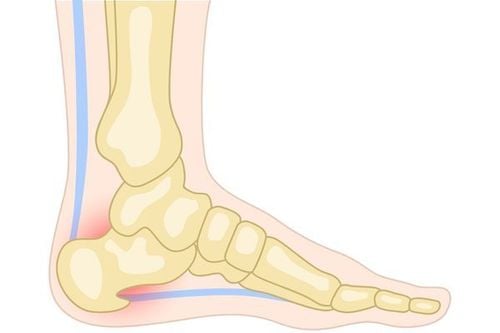
Thumb joint pain may be a sign of underlying health conditions. Therefore, appropriate treatment methods should be selected based on the specific cause. In most cases, doctors will recommend pain relief medications or encourage patients to undergo physical therapy to improve mobility and alleviate discomfort.
1. Causes of Thumb Joint Pain
Several conditions may lead to pain in the thumb joint, including:
- Rheumatoid arthritis: The cartilage inside the thumb joint can deteriorate with age, resulting in inflammation and joint pain. Additional symptoms may include reduced grip strength and limited thumb movement.
- Carpal tunnel syndrome: Thumb joint pain may be a symptom of carpal tunnel syndrome. Patients often experience weakness, numbness, tingling, or burning sensations in the wrist, fingers, or base of the thumb.
- Thumb injuries or sprains: Injuries such as sprains, thumb jams, or "skier’s thumb" occur when ligaments in the thumb are damaged. These injuries are common during sports or accidents and may cause joint pain, swelling, and stiffness.
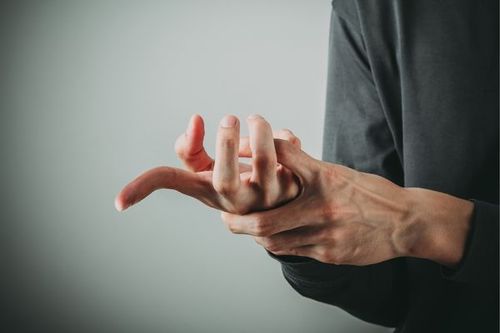
2. Diagnosis
If thumb pain is mild and does not significantly affect joint mobility, patients can try resting the joint to relieve symptoms.
However, if the pain is persistent, severe, or accompanied by other symptoms - such as pain in multiple fingers, tingling in the hand, or the appearance of lumps on the fingers - patients should seek medical evaluation promptly.
Diagnosis depends on the patient’s symptoms and may include:
- X-rays to assess bone structure
- Carpal tunnel tests, including Tinel’s sign and nerve conduction studies
- Ultrasound to evaluate nerve inflammation or swelling
- MRI scans for detailed imaging of the wrist and thumb joints
Additional blood tests such as complete blood count (CBC), C-reactive protein (CRP), beta-CrossLaps, calcium, and uric acid levels to assess overall health status
3. Treatment Options
3.1 Home Remedies
If the pain is caused by soft tissue injury, overuse, or overstretching, resting the thumb for a period can help relieve symptoms. Ice packs can be applied to reduce swelling in the affected joint.
For conditions like carpal tunnel syndrome or loss of grip strength, doctors may recommend wearing a night splint to stabilize compressed nerves in the wrist.
Over-the-counter (OTC) medications such as nonsteroidal anti-inflammatory drugs (NSAIDs) — including ibuprofen (Advil, Motrin), naproxen (Aleve), or acetaminophen (Tylenol) — may also be used to relieve thumb joint pain.

References:
- De Quervain's Tendinosis. (n.d.). OrthoInfo – AAOS.
- LeBlanc KE, et al. (2011). Carpal Tunnel Syndrome. American Family Physician.
- Mayo Clinic Staff. (2017). Carpal Tunnel Syndrome.
- Mayo Clinic Staff. (2018). Thumb Arthritis.
- Soft Tissue Injury: Thumb. (n.d.). NHS.
To arrange an appointment, please call HOTLINE or make your reservation directly HERE. You may also download the MyVinmec app to schedule appointments faster and manage your reservations more conveniently.