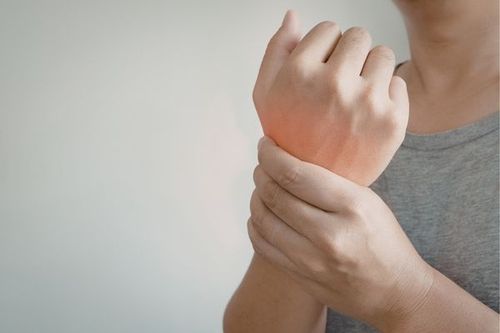
Nowadays many people experience muscle cramps in the hands and feet, which seriously affect daily work and activities. So what are the causes of hand or foot cramps? The article below provides readers with some common causes and ways to prevent cramps in the arms and legs.
1. What are the causes of hand and foot muscle cramps?
1.1 Excessive coffee (caffeine) intake
Consuming too much caffeine can significantly affect health and also lead to muscle cramps in the hands or feet. Caffeine acts on the central nervous system and the cardiovascular system, which may produce symptoms including cramps in the arms or legs, palpitations, rapid heartbeat, headache… In addition, caffeine may increase gastric acid secretion and affect the stomach.
1.2 Prolonged stress
Extended periods of stress place continuous tension on the nervous system and keep the body in a heightened state. This may cause the nerves that control muscle activity to send incorrect signals and trigger muscle cramps. Moreover, anxiety and tension may cause faster breathing, thereby altering ionic and pH balance in the body and causing muscles to spasm. To reduce stress‑related spasms, you should allocate time for relaxation, meditate or practise yoga.
1.3 Dehydration
Many people wonder “hand or foot cramps - what condition is it?” In fact, dehydration is one of the common causes of muscle spasms and cramps in the arms and legs. Those who exercise intensely, have prolonged high fever, or drink little water may experience muscle cramps. Therefore, maintaining adequate hydration is a simple preventive measure against hand or foot muscle cramps.
1.4 Long‑term lack of sleep
Sleep plays a very important role in health. Insufficient sleep may lead to many consequences such as weakness, fatigue, nervous tension, reduced alertness and concentration… Prolonged nervous system strain may cause spasms and muscle cramps. Furthermore, lack of sleep can disrupt hormonal balance and affect muscle function.
1.5 Mineral and electrolyte deficiency
Deficiencies in minerals and electrolytes such as sodium, calcium, magnesium, potassium… may increase the risk of muscle spasms and cramps. Thus, supplementing these minerals via diet or medication can significantly improve cramp problems.
1.6 Side‑effects of medication
Using certain medications may cause muscle spasms and cramps in the arms and legs. For example, diuretics may reduce the body’s potassium level and lead to cramps in the arms or legs. In addition, some antidepressants or anticonvulsants may also cause muscle spasms. If you experience this, you should contact your doctor for advice and possibly switch to a more suitable drug.

1.7 Cold temperature
This is a natural physical phenomenon. When exposed to cold temperatures, muscle bundles may contract and cause cramps. Therefore, you should try to keep your body warm - especially the limbs - in cold seasons in order to avoid cramps in the arms or legs.
1.8 Syndromes that cause hand/foot cramps
Serotonin syndrome (caused by excessive serotonin) increases neuro‑activity and causes a range of symptoms such as agitation, tremor, rapid heart rate, raised blood pressure, muscle spasms, and even kidney or respiratory failure (and can be life‑threatening). In addition, Isaacs syndrome (neuromyotonia) due to peripheral nerve dysfunction may also cause muscle cramps.
1.9 Kidney disease manifestations
When the kidneys’ function declines, a cascade of changes in the body may follow. Some patients with impaired kidney function may experience muscle cramps together with other symptoms. Kidney complications can damage the nervous system, disturb electrolyte levels, and lead to this phenomenon.
1.10 Neurological disorders
When nerve cells are damaged, muscle activity is also affected. Cramps in the arms and legs may signal that the nerves controlling your muscles may be compromised. Also, some people with congenital or acquired nerve damage (from trauma, infection, disease, alcohol abuse) may have similar symptoms. Diabetic peripheral neuropathy is one of the major causes of peripheral nerve damage and can lead to muscle cramps. Therefore, diabetic patients should closely control their blood sugar and periodically screen for complications.
1.11 Physical inactivity
Excessive physical exertion can cause dehydration and leg cramps — but that does not mean you should avoid activity, because inactivity itself may also lead to frequent cramps. Muscle cramps due to under‑trained muscles occur more often. Therefore, it’s important to maintain moderate active movement and replenish fluids, electrolytes after exercise.
1.12 Some musculoskeletal disorders
Long‑standing Rheumatoid arthritis may lead to hand muscle cramps and worsen over time. Moreover, carpal tunnel syndrome (compression of the wrist nerve) may also cause such symptoms. Patients with carpal tunnel syndrome may experience cramps, tingling, numbness in the hand and forearm.
2. What to do when you experience hand or foot cramps?
When your hands or feet cramp, you can apply the following measures:
- Stop activity and relax the body.
- Gently massage the affected area to increase heat and promote blood circulation.
- You may apply heat or cold therapy: heating improves temperature, soothes pain and relaxes muscles; cooling reduces swelling and provides rapid pain relief.
- If the cramp is in the hand, you should stretch the palm: use one hand to push up the other hand, or place the hand on a flat surface then gently press and straighten the fingers. Hold for 30‑60 seconds, then relax. You may also make a fist, hold 30‑60 seconds, then open the hand and extend the fingers. Gently massage the palm in a clockwise direction for quicker relief.
- If the cramp is in the calf, gently straighten and pull the foot toward the knee to stretch the calf muscle.
- If the cramp occurs in the thigh, have someone assist: raise the leg straight and apply gentle downward pressure at the knee.
- However, if the cramps last for hours or days, you should go to a medical facility to determine the underlying cause. Noting the duration and frequency of cramp episodes may help the doctor with diagnosis.
3. How to prevent hand or foot cramps
- Train strength and flexibility of hand and forearm muscles: stretch your palm or squeeze a ball 2‑3 times daily, 10‑15 repetitions per session for both hands.
- Ensure adequate nutrition: supplement sodium, calcium, magnesium, potassium, B‑vitamins through diet or supplementation to help prevent muscle cramps.
- Drink at least 2 litres of water per day. Especially increase fluid intake during high‑intensity exercise, fever, or in hot environments.
- Practice meditation or yoga to reduce stress. Yoga also helps build muscle flexibility.
- Choose appropriately sized tools: using items that are too big or too small may cause discomfort and muscle cramps. Use cooking utensils, writing implements, or computer mouse that fit your hand size. A computer mouse that’s poorly sized may contribute to hand pain and cramps after prolonged use.
- Try to sleep at least 8 hours per day to maintain focus, alertness and allow the nervous system to rest after working hours.
Hand or foot muscle cramps are common and can affect many people’s work and daily life. You can improve the condition by adopting a healthy lifestyle, exercising regularly, eating well and staying mentally relaxed. However, if cramp symptoms persist abnormally, you should visit a hospital for diagnosis and prompt treatment.
To arrange an appointment, please call HOTLINE or make your reservation directly HERE. You may also download the MyVinmec app to schedule appointments faster and manage your reservations more conveniently.