One of the common concerns among individuals post-breast augmentation surgery is what to avoid during the postoperative period. In addition to factors such as the surgeon's expertise, technology, and the cosmetic clinic's reputation, adherence to postoperative restrictions is critically important in determining the optimal outcome of breast aesthetics following surgery. Numerous undesired complications may arise from inadequate adherence to postoperative care instructions.
1. Reasons for postoperative restrictions after breast augmentation
Although breast augmentation is a well-known aesthetic procedure among patients, it is essential to observe certain postoperative considerations due to the following reasons:
• Minimizing scarring: Postoperative care is a crucial factor in preventing undesirable scarring or aesthetic marks on the surgical site.
• Shortening the healing time: Incorporating appropriate nutritional foods will enhance overall health, thereby facilitating a quicker recovery process without negatively impacting daily activities.
• Reducing the risk of complications post-breast augmentation: Following postoperative care guidelines can help avoid severe complications such as infections, swelling, suppuration, and capsular contracture.
The period for adhering to restrictions after breast augmentation typically does not exceed three months. However, it is imperative to strictly follow the directives provided by the surgeon during this phase.

2. What should be avoided after breast augmentation?
2.1. Dietary restrictions
In the postoperative phase following breast augmentation, it is advisable to avoid the following food items:
• Red meat: It should be entirely avoided as it may contribute to the formation of scars and discoloration, leading to aesthetic concerns post-healing.
• Eggs: This food should also be avoided due to its strong odor, which can increase the risk of wound expansion, resulting in unsightly post-surgical patches that are difficult to treat.
• Water spinach: Consumption of this vegetable post-surgery is linked to the formation of hypertrophic scars at the incision site.
• Chicken: Ingesting chicken post-breast augmentation may cause itching at the surgical site and delay the wound healing process.
• Sticky rice and similar dishes: These common breakfast foods should be avoided as they may lead to wound infections, suppuration, and hinder healing.
• Seafood: Despite being nutritious, consuming seafood during the postoperative period may induce internal itching at the wound site, which could result in scratching and subsequent wound dehiscence, thus prolonging healing.
• Alcoholic beverages (such as liquor and beer) and stimulants (including coffee and tobacco) are contraindicated as they may interact adversely with prescribed medications following breast augmentation.
2.2. Physical activity restrictions
Patients should refrain from engaging in high-intensity exercise for a duration of three months (such as playing golf, lifting weights, and swimming).
2.3. Sexual activity restrictions
Following breast augmentation surgery, it is essential to minimize any activity impacting the surgical area by abstaining from sexual intercourse for approximately one month. According to the surgeon's guidelines, gentle physical intimacy is permissible during the recovery period. However, if the recovery process is prolonged, patients should wait until approximately the third month. After six months post-surgery, resuming normal sexual activities is acceptable to ensure the breasts have stabilized and achieved a natural appearance.
2.4. Postoperative mobility
The recovery time for the breasts varies according to individual physiology.
• Within the first week after breast augmentation, patients may gradually engage in light activities, but must avoid exertions that could impact the breast area as this is the stage where cellular tissues are forming connections.
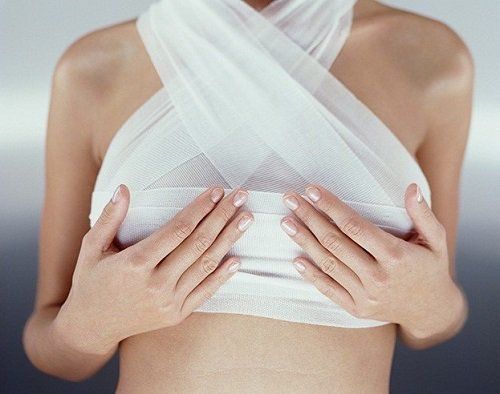
• Approximately one month post-surgery, breast shape is expected to stabilize. At this point, patients can return to their preferred sports. This period is optimal for recovery of breast aesthetics. Concurrently, patients should consistently wear supportive garments and perform regular breast massages to promote a quicker softening of the tissues.
3. How should post-operative care be conducted after breast augmentation?
Following breast augmentation surgery, the patient will undergo intravenous fluid resuscitation and remain hospitalized overnight. Prior to discharge, the attending surgeons will provide detailed instructions regarding post-operative care and restrictions necessary for expedited recovery.
Several essential considerations for achieving the desired breast augmentation outcomes include:
• Avoid scratching, impact, or pressure on the breast area immediately after surgery, as this may lead to bleeding or hematoma formation.
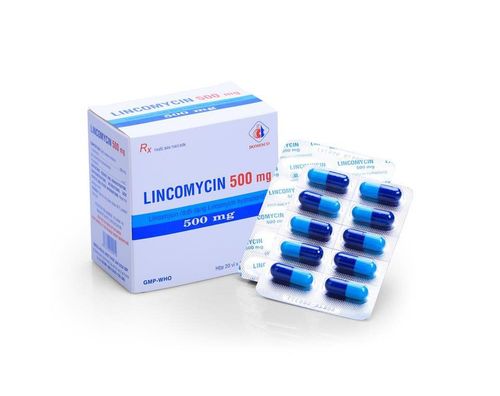
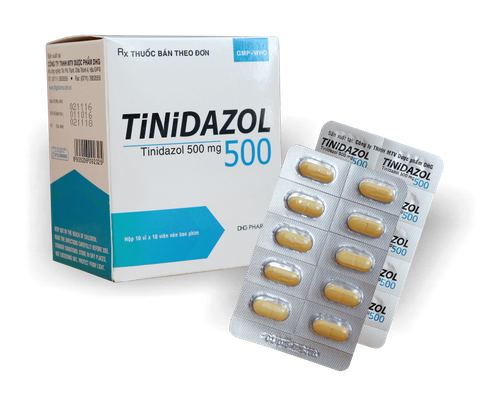
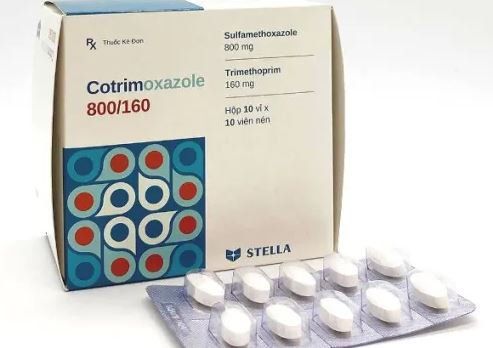
• Administer prescribed antibiotics, analgesics, anti-edema medications, and scar prevention agents in accordance with the aesthetic surgeon’s directives.
• Change dressings within 24 hours post-operatively and ensure complete rest for a duration of 5 to 10 days post-surgery.
• Apply cold compresses manually for the first 48 hours, ensuring a clean gauze layer is placed between the ice pack and the skin surface to prevent thermal burns.
• Warm compresses can be utilized starting from postoperative day 4 to reduce swelling and bruising.
• For the first 5 to 7 days, a soft diet is recommended, including congee (preferably plain rice congee as opposed to sticky rice congee), soups, and pureed foods to avoid hard food items.
• Avoid foods that promote keloid scar formation, such as water spinach; refrain from consuming foods that may induce itching or suppuration, such as chicken, seafood, glutinous rice, and strong-smelling foods; strictly limit intake of foods affecting skin pigmentation, particularly eggs and beef; abstain from spicy foods; and avoid stimulants (alcohol, tobacco, coffee, etc.), as these can prolong the wound healing process and increase the risk of infection.
• Hydrate adequately with a daily intake of 2 liters of water to facilitate circulation and enhance the formation of new cells. Consistent hydration aids in faster wound healing and overall health.
• Dressings and stitches should be removed after 7 days. In cases of inframammary incision technique, patients may shower as early as postoperative day 3, while avoiding vigorous scrubbing around the breast area.
• Abstain from vigorous exercise (such as golfing, gym workouts, swimming, or heavy lifting) for a minimum of three months, and avoid breast massage during sexual intercourse.
• When wearing a supportive post-operative bra, ensure that the bra's folds align with the dressing, as improper fitting may negate benefits or adversely affect the breast crease.
• Refrain from sauna use for 4 weeks post-surgery, as this may impact recovery processes.
• In the presence of any abnormal signs on the breasts, such as swelling, color changes, or pain, immediate consultation at the hospital is warranted to assess the situation and collaborate with the aesthetic surgeon for timely intervention.
• A follow-up examination at the hospital should be scheduled 6 months post-operatively for breast evaluation and routine health checks to ensure overall well-being.
Laboratory tests or imaging studies may be conducted as necessary. This allows for comprehensive assessment of the patient’s health status, facilitating appropriate surgical planning and preventive measures to ensure maximum safety for the patient.
• Patients are provided with the latest advanced analgesia techniques, including localized anesthesia, nerve blocks, or intercostal plane blocks, as well as ESP (Erector Spinae Plane) blocks, to ensure a gentle surgical experience with minimal discomfort and expedited recovery. Post-operative care includes structured recovery periods, privacy, and relaxation to foster a robust healing process and achieve optimal surgical outcomes.
To arrange an appointment, please call HOTLINE or make your reservation directly HERE. You may also download the MyVinmec app to schedule appointments faster and manage your reservations more conveniently.