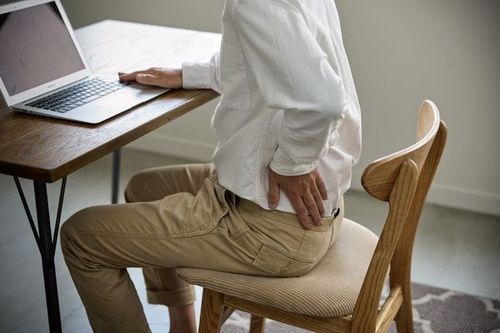
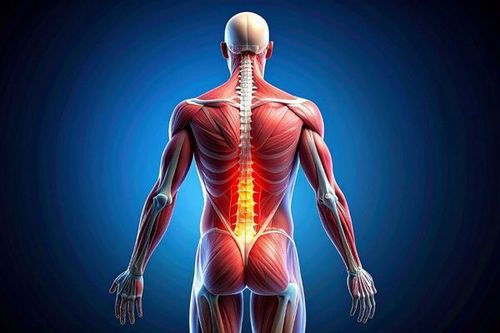
Back pain when you sit down and then stand up - or back pain during a posture change - is a fairly common occurrence across many age groups. It may be a sign of underlying conditions such as a disc herniation, Sciatica or spinal degeneration. If this pain persists it can affect daily life. Early evaluation and treatment is important to avoid serious consequences.
This article is consulted by Dr. Vo Khac Khoi Nguyen (Orthopaedic Trauma Surgeon – Department of General Surgery - Vinmec International General Hospital Central Park).
1. What causes back pain?
You may feel a sharp pain in the middle of the back, or when you sit down then stand up you feel lumbar pain, or back pain when lifting heavy loads and in sudden changes of posture. Do not ignore it - because it may be the hidden cause of many serious conditions such as:
1.1. Disc herniation of the lumbar spine.
The disc is the structure between vertebrae: it bears load and offers flexibility when the spine moves. However, many factors place pressure on the disc (heavy work, lifting, prolonged sitting, injury), causing the inner viscous nucleus to slip out, compress nerve roots and cause numbness, pain.
1.2. Sciatica (lumbar nerve root pain).
Another cause of pain when you sit down then stand up. Patients with sciatica often feel pain along the path of the sciatic nerve: from the lumbar spine down the outer thigh, front of the leg, outer ankle to the toes.
The pain ranges from mild “electric” shocks to strong and sharp pain, especially when coughing, sneezing or after sitting for long.
1.3. Lumbar spinal osteoarthritis / spondylosis.
A chronic condition, occurring when discs and joints degenerate or become inflamed. It causes back pain and muscle pain.
Spinal osteoarthritis can occur not only in middle‑aged people but also in younger ones—especially if overweight, obese, have a history of joint inflammation, sedentary work or prior injury.
1.4. Ankylosing Spondylitis.
This disease can occur in both men and women, including young individuals. It can be considered a chronic inflammatory condition that causes many difficulties, such as ankylosis—where the joints and vertebrae fuse together—leading to swelling, pain in the back, and significant limitation and discomfort in spinal movement.
Moreover, ankylosing spondylitis can leave many sequelae, resulting in spinal and joint deformities that cause disability, becoming a burden on both the family and society.
1.5. Muscle stiffness.
Muscle stiffness may be caused by maintaining a posture too long, which causes muscle fatigue or sudden contraction. Additionally, sitting in a poor posture places high stress on the spine, resulting in back pain, muscle soreness, spinal overload.
To determine exactly which condition is causing your back pain when you stand up from sitting, a medical examination is required.
2. Diagnosis and treatment options
2.1. Diagnostic methods
If you have a scenario like “sharp back pain” or “pain when sitting down then standing up”, you should go to a medical facility for a check‑up. Diagnostic methods include:
Clinical examination:
Doctors assess back and spinal movement in different positions. They palpate painful areas lightly to more deeply to identify tender spots. This method is used for mild cases, with no serious trauma or medical history.
Examination using imaging modalities
- X-ray: This method helps assess the alignment of the bones and joints and detect abnormalities in the vertebrae. It provides an overall view of the spinal structure, allowing evaluation of physiological curvature, as well as the presence of kyphosis, scoliosis, vertebral slippage, or compression.
- CT or MRI scan of the spine: Through this method, the doctor can detect abnormalities in the bones, tissues, tendons, nerves, ligaments, blood vessels, and herniated discs.
- Laboratory tests: This method is prescribed by doctors in special cases where imaging diagnostics or the above methods do not yield conclusive results. Tests that may be required include electromyography (EMG), bone density measurement, and blood tests.
2.2. Treatment plan
Depending on pain severity and underlying condition, doctors will propose appropriate treatment. Some supplementary methods may include:
- Change your sitting posture and choose a suitable chair: If your job requires prolonged sitting, pick a chair with back support and the correct height. Stand up periodically, gently move or stretch to relieve spinal stress.
- Use heat therapy, massage and rest after long sitting or heavy activity: heat helps relax ligaments and promote circulation; rest reduces spinal load and muscle tension.
- Regular exercise: Use exercises for back/spine pain such as cobra pose, bridge pose, cat‑camel pose—they help improve back pain. Also supplement with calcium, vitamin D for bone/joint health.
- Use specialised therapy for muscle fatigue: manual therapy or physiotherapy with devices may yield best results. They help reduce inflammation, accelerate spine/ joint recovery, and prevent recurrence. These should be done under licensed physiotherapists.
- Medication: If pain persists and is severe, medication might be used—but because of side‑effects, the patient must consult a physician for proper dosage.
- Use chiropractic adjustment: This method is well‑regarded in Western countries for safety and effectiveness. It helps adjust spinal structure to relieve nerve compression, thereby removing pain without major surgery or excessive drugs.
Sitting down and standing up with back pain is fairly common in both office workers and physically active people. Do not ignore it, even if mild or occasional—because back pain is a trigger for many spinal/musculoskeletal conditions that could seriously impact your life. Thus, arrange prompt check‑ups and treatment plans to manage it as soon as possible.
To arrange an appointment, please call HOTLINE or make your reservation directly HERE. You may also download the MyVinmec app to schedule appointments faster and manage your reservations more conveniently.