Guava, scientifically known as Psidium guajava, is a tropical fruit native to Central America and Mexico. It is highly nutritious. Therefore, can consuming guava contribute to weight loss?
1. The nutritional content of guava
If pineapple is known as the 'king' of fruits, guava is regarded as the queen. Its unique flavor and health-promoting properties make it widely recognized as a functional food, often labeled a 'superfruit'. Different guava varieties grown worldwide can vary significantly in flavor, pulp color, and seed composition.
Ella Davar, a nutrition expert based in New York, states, "Guava is a tropical fruit rich in vitamin C and an excellent source of dietary fiber." Guava and its leaves contain beta-sitosterol, quercetin, guaijaverin, leucocyanidin, and avicularin. The leaves also contain volatile essential oils, including caryophyllene, β-bisabolene, aromadendrene, β-Selinene, nerolidol, caryophyllene oxide và Sel-11-en-4a-ol and ethanol). Ripe guava is exceptionally high in vitamin C and contains polysaccharides such as fructose, xylose, glucose, rhamnose, and galactose. The roots also contain arjunolic acid, tannins, and various organic acids. According to the United States Department of Agriculture (USDA), the nutritional composition of 100 grams of guava is:
- 36-50 kcal energy
- 77-86 g water
- 2,8-5,5 g dietary fiber
- 0,9-1,0 g protein
- 0,1-0,5 g fat
- 0,43-0,7 g ash
- 9,5-10 g carbohydrates
- 9,1-17 mg calcium
- 17 8-30 mg phosphorus
- 0,30-0,70 mg iron
- 200-400 IU vitamin A
- 200-400 mg vitamin C
- 0,046 mg vitamin B1 (Thiamine)
- 0,03-0,04 mg vitamin B2
- 0,6 -1,068 mg vitamin b3 (Niacin)

2. The health benefits of guava
- Boosting Immunity: Guava is rich in vitamin C, containing four times more than oranges. Vitamin C enhances immune function, helping the body fight infections and common pathogens. Additionally, it contributes to good vision.
- Reducing Cancer Risk: Vitamin C, lycopene, and other polyphenols act as antioxidants, neutralizing infections in the body and preventing the development of cancer cells. Guava may help prevent prostate cancer and inhibit the growth of breast cancer cells.
- Preventing Diabetes: The high fiber content and glycemic index help prevent diabetes. The fiber regulates blood sugar levels, avoiding sudden spikes.
- Keeping Your Heart Healthy: Guava is rich in sodium and potassium, which help regulate blood pressure in patients with hypertension. It also helps lower bad cholesterol, a major contributor to heart disease, while increasing good cholesterol.
- Treating Constipation: Guava is high in fiber beneficial for digestion.
- Improving Vision: Guava is rich in vitamin A, which helps prevent poor vision and protect against cataracts and macular degeneration.
- Stress Reliever: Guava contains magnesium, which helps relax muscles and nerves, allowing you to better cope with stress and supporting overall energy levels.
- Good for Pregnant Women: Folic acid and vitamin B-9 found in guava are recommended for pregnant women as they aid in the development of the baby's nervous system and protect the baby from neurological disorders.
- Reducing Cold and Cough: Guava is rich in vitamin C and iron compared to other fruits. It is known to help prevent colds and viral infections. Fresh guava juice is beneficial for treating coughs and colds. It helps eliminate mucus and cleanse the respiratory system.
- Supporting Weight Loss: More detailed information will be provided below.
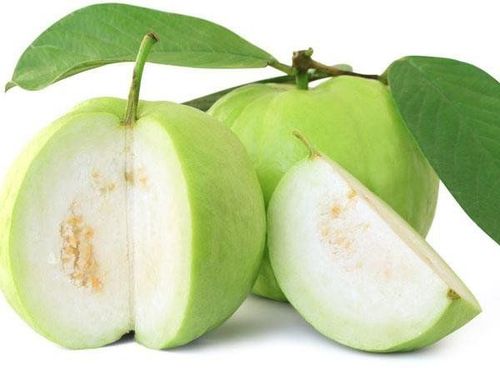
3. Can consuming guava contribute to weight loss?
Overweight is a condition where the body has excess fat beyond what is considered healthy. It is often caused by overeating and insufficient physical activity. Overweight has become a global epidemic, with over a billion adults being overweight or obese, and this number continues to rise. A healthy body requires a minimal amount of fat for hormone functions, reproduction, immunity, and other vital processes. However, excessive fat accumulation can affect mobility, flexibility, and appearance. Overweight and obesity increase the risk of heart disease, diabetes, hormonal imbalances, osteoporosis, and cancer. Therefore, if you are overweight or obese, it is crucial to begin a weight loss plan immediately. As part of your plan, include guava in your diet regularly. This fruit is particularly beneficial for your condition.
Guava is particularly beneficial for those seeking healthy weight loss. It is considered an excellent whole food, rich in vitamins and minerals, while being free from cholesterol and containing low levels of digestible carbohydrates. Guava is a highly satiating snack and can effectively curb hunger, as it is rich in protein and high-quality fiber. Both protein and fiber take longer to digest, helping you feel full for an extended period and reducing cravings for other high-calorie foods. The high fiber content in guava also contributes to metabolic regulation. Guava, especially when unripe, contains significantly less sugar than apples, oranges, grapes, and other fruits. As a high-fiber food, guava provides approximately 12% of your recommended daily fiber intake, making it an excellent fruit for digestive health.
Consuming guava in any form supports healthy bowel movements and promotes overall digestive well-being. A healthy digestive system is also key to effective weight management. Furthermore, guava is low in calories, with 100 grams containing approximately 52 calories and minimal fat. It is an ideal choice for those looking to lose weight while still reaping numerous health benefits.
4. What is the most beneficial way to consume guava?
Guava comes in various sizes and varieties. It is recommended not to eat guava that is overripe or under-ripe. It should be slightly firm, but not too hard or too soft.
It is advisable to eat guava in the morning, preferably as part of your breakfast. However, if you have gastrointestinal concerns, it is better to avoid eating guava on an empty stomach and consider consuming it at lunch instead. It is best to avoid guava in the evening or after dinner. Guava provides the most benefits when consumed in the morning or the afternoon after lunch.
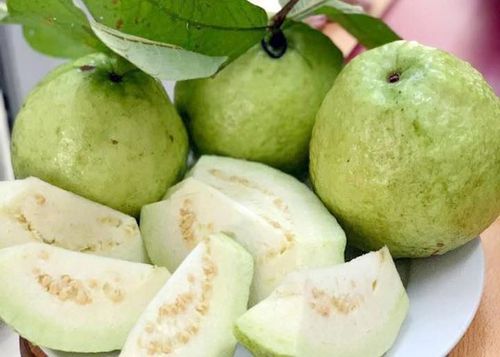
Additionally, if consuming fresh guava, avoid chewing the small seeds. It is recommended to cut the guava into 4 or 6 slices, depending on its size. Begin by eating each slice from the skin. While it is acceptable to chew the skin, avoid chewing the pulp. However, if necessary, you may chew the seeds. Gently chew the pulp and swallow the saliva. Chewing guava seeds may harm individuals with stomach ulcers.
To vary your guava intake, you may opt to juice or blend the fruit into a smoothie. However, the fiber content will be lower compared to consuming it directly.
Reference source: Food.ndtv.com; trueremedies.com; medlife.com
To arrange an appointment, please call HOTLINE or make your reservation directly HERE. You may also download the MyVinmec app to schedule appointments faster and manage your reservations more conveniently.