A clavicle fracture (commonly known as a broken collarbone) is one of the most common shoulder injuries. Treatment typically involves non-surgical (conservative) management or surgery, depending on the severity and type of fracture. A proper nutritional plan is also important to support bone healing.
Reviewed by: MD, Specialist Level II. Mai Anh Kha, in Orthopedic Surgery, General Surgery Department, Vinmec International General Hospital Da Nang.
1. Is a Broken Collarbone Dangerous?
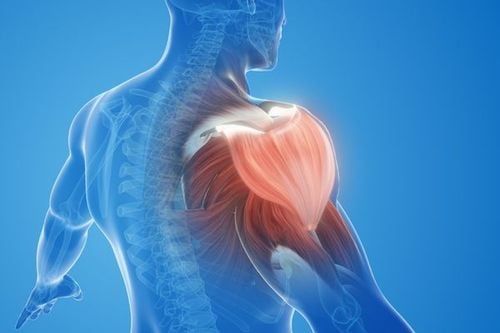
The human body has two clavicles, or collarbones, located just below the shoulders and connected at the sternum (breastbone). One end of each clavicle connects to the sternum via the sternoclavicular joint, and the other end connects to the scapula (shoulder blade) via the acromioclavicular joint, helping link the arms to the trunk.
Clavicle fractures account for 35–43% of all shoulder fractures, and around 4% of all bone fractures. The most common causes include falls and traffic accidents. About 80% of clavicle fractures result from indirect trauma, such as falling on an outstretched hand or shoulder, while the remaining 20% are due to direct impact, which may result in open fractures.
Left-side clavicle fractures are more common than right-side fractures. This is likely due to the dominance of the right hand, making the non-dominant left side weaker and more vulnerable. Additionally, in countries like Vietnam, where traffic keeps to the right side of the road, people often use their left foot to support their body when falling, increasing the risk of injury to the left clavicle.
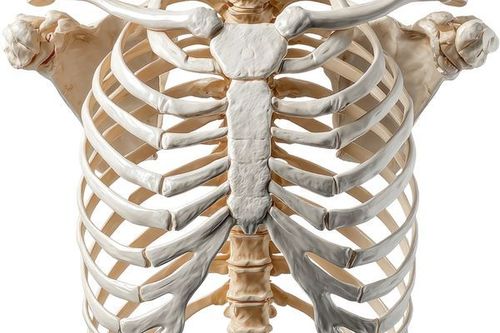
The middle third of the clavicle is the most commonly fractured segment, though fractures may also occur at the medial (inner) or lateral (outer) third, albeit less frequently.
While the clavicle can fracture without complications, in some cases, the broken bone may damage nearby nerves, blood vessels, or pleura (the membrane surrounding the lungs).
Fortunately, clavicle fractures rarely pose life-threatening risks due to the bone’s thick periosteum, abundant blood supply, and anatomical position over the chest. Displacement of fractured clavicles typically does damage nearby nerve and blood vessels
However, complicated fractures may result in bone fragments puncturing nearby nerves, blood vessels, or the lungs, potentially leading to bleeding, paralysis, or pneumothorax/hemothorax (air or blood in the pleural cavity), which can cause life-threatening respiratory issues.
Fractures in both clavicles can make breathing difficult, as the movement of the clavicles during respiration may cause pain and restrict chest expansion.
2. Symptoms of a Clavicle Fracture
Common signs and symptoms include:
- Pain and swelling at the site of the fracture
- Visible bone deformity or protrusion under the skin?
- Tenderness and instability on palpation
- A grating or crackling sound at the fracture site
- Loss of shoulder mobility or reduced strength
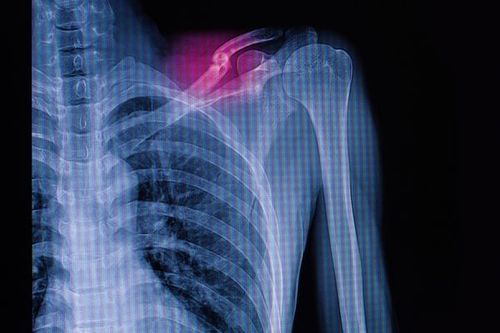
To confirm the diagnosis and assess the fracture’s location and severity, physicians typically order X-rays (anterior-posterior and oblique views).
If the fracture pattern is complex, a CT scan may be indicated. Pre-operative lab tests are also necessary if surgery is planned.
3. Treatment Options for Clavicle Fractures
Broken collarbone treatment typically involves two main approaches: conservative (non-surgical) management and surgical intervention.
Most cases of clavicle fractures can be managed conservatively, options include
- Sling immobilization or figure-of-eight brace
- Rieunau method: Patient lies supine with a pillow under the back for two weeks; the fracture is stabilized with adhesive straps. After two weeks, a sling is used, and shoulder exercises are introduced.
- Figure-of-eight bandage: A soft elastic band (10–12 cm wide) is wrapped around the shoulders in a figure-eight shape for 4–8 weeks. This method is common due to comfort and ease of use.
Conservative treatment is usually recommended for elderly patients or those with chronic conditions (e.g., osteoporosis, cardiovascular disease, or diabetes) who are not ideal candidates for surgery, or who wish to avoid hospitalization and surgical scars.
Non-surgical treatment may result in cosmetic deformities, such as a shortened or protruding shoulder, or malunion (healing in a misaligned position). There is also a risk of skin ulceration from bone prominence.
Patients undergoing conservative management should attend regular follow-up appointments to monitor healing via X-ray. If complications arise, surgical correction may become necessary.
Surgery is indicated in the following situations:
- Neurovascular injury or pleural puncture due to fracture
- Open fractures requiring debridement and stabilization
- Displaced fractures with bone fragments protruding through the skin
- Fractures with more than 2 cm of shortening or separation of bone ends
- Patient preference for optimal bone alignment and cosmetic outcome
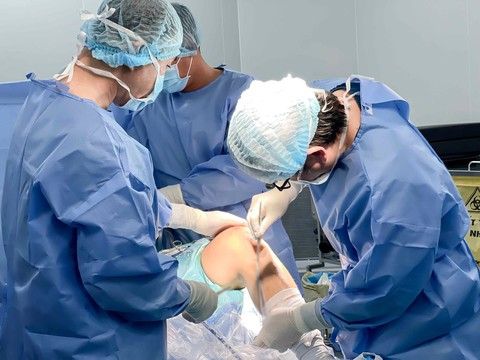
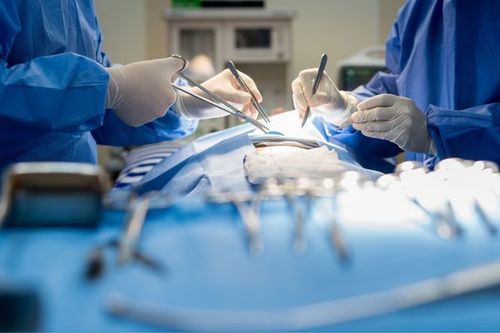
Surgical treatment may involve intramedullary screws or plate and screw fixation. While surgery offers better alignment and faster return to function, it carries a higher cost, leaves surgical scars, and may require a second operation to remove implants.
4. How Long Does It Take to Heal a Broken Collarbone?
In conservative treatment, patients typically wear a sling or brace for 4–8 weeks, during which initial bone healing (callus formation) occurs.
Although surgical treatment allows for earlier movement, it may delay callus formation due to surgical trauma and fixation
Recovery from a broken collarbone usually takes 3-6 months. During this period, patients should avoid lifting heavy objects to prevent delayed healing or displacement of the fracture.
After surgery, some patients may feel comfortable returning to daily activities early because internal fixation devices are stable and painless. However, early return to work or driving may risk implant loosening and nonunion, requiring revision surgery.
To ensure optimal recovery, patients should delay active use of the affected arm for at least 2–3 months, until X-ray evidence of healing is observed.
Although formal physical therapy is not mandatory, patients are advised to perform gentle shoulder exercises to prevent joint stiffness due to immobilization.
Finally, a nutrient-rich diet high in calcium and vitamin D, along with routine follow-up visits, is essential to monitor healing and detect potential complications early.
To arrange an appointment, please call HOTLINE or make your reservation directly HERE. You may also download the MyVinmec app to schedule appointments faster and manage your reservations more conveniently.