Intercostal neuralgia is a syndrome that may be encountered in various underlying diseases. Although it is not difficult to diagnose and is not life‑threatening, it must be treated appropriately in order to allow the patient to recover quality of life.
1. What is intercostal neuralgia?
The intercostal nerves consist of 12 pairs, arising from the thoracic spinal cord segments from T1 to T12. From the thoracic spinal cord originate the spinal thoracic nerve roots, which then divide into anterior and posterior branches. The posterior branch of a thoracic spinal nerve supplies the back region. The anterior branch supplies the chest and abdominal wall and becomes the intercostal nerve. When reaching the ribs, together with the intercostal arteries and veins, they run in the costal groove at the lower border of the rib forming the intercostal neurovascular bundle. During operations or procedures on the chest wall, this intercostal neurovascular bundle must always be taken into account to avoid injury.
Intercostal neuralgia is an abnormal condition that can occur in many different clinical contexts at any age. Because of the anatomy described above—plus the superficial location on the chest wall—the intercostal nerves are elements that are highly vulnerable to injury when there is any problem in the spine, spinal cord or ribs. When no specific direct cause for the pain can be identified, the condition is called “primary intercostal neuralgia”.
2. Causes of intercostal neuralgia
The causes leading to intercostal neuralgia are diverse, varying by age, sex and the patient’s occupation. They include:
- Degeneration of the thoracic spine
- Spinal metastases of the thoracic vertebrae
- Spinal tuberculosis of the thoracic spine
- Myeloma
- Inflammation of multiple nerve roots or multiple peripheral nerves
- Neuropathic conditions
- Systemic diseases, such as diabetes mellitus, infections

3. Clinical signs of intercostal neuralgia
The most prominent feature of intercostal neuralgia is pain along the course of the corresponding intercostal nerve. In some cases patients describe chest tightness, chest pain, subsequently radiating according to the intercostal nerve path to the paraspinal region. However, the patient may also present many other signs depending on the underlying disease that is directly causing the pain. Some frequent contexts include:
- Degenerative thoracic spine: In older patients, intercostal neuralgia due to this cause often presents with dull pain in the thoracic spine region, increasing on movement and when pressing the midline of the spine.
- Metastatic or tuberculous thoracic spine:
Unlike degenerative change, tuberculous or metastatic disease causes more severe localized pain at the affected thoracic segment, radiating into both sides of the ribs. The pain is continuous and accompanied by spinal deformity and systemic signs such as low‑grade fever in the evening, weight loss, marked fatigue.
- Spinal cord disease: Some spinal cord pathologies (e.g., intramedullary tumour or nerve‑root tumour) may give rise to intercostal neuralgia. The pain is usually confined to the spinal level involved, unilateral, and radiates along the ribs in a belt‑like pattern. The spinal examination may be vague.
- Spinal trauma: After a spinal injury or a wrong posture movement with high force, the patient may develop pain along the rib cage together with the spinal segment injured.
- Intercostal neuralgia due to herpes zoster: This is the most common infectious cause of intercostal neuralgia. The patient feels burning pain in a skin area corresponding to a dermatomal zone, worse when clothing touches the skin. After a few days small vesicles on a red base appear along the intercostal nerve path, then crust and may leave a scar after about a week. Systemic signs include low‑grade fever, fatigue. The pain can persist even after the vesicles disappear (postherpetic neuralgia), especially in older patients.

- Primary intercostal neuralgia: This subgroup includes those cases in which no specific physical cause is found. Primary intercostal neuralgia often occurs after exposure to cold weather or following an excessive movement. The pain is loche, and worsening on posture change or deep breathing.
- Some other systemic causes: diabetes mellitus, polyneuropathy, toxic neuropathy, infection … the patient usually has preceding or concurrent symptoms of the underlying disease and then develops pain radiating along the rib cage according to intercostal nerves.
4. Diagnosis of intercostal neuralgia
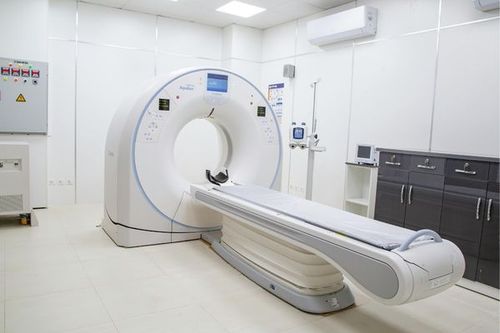
Intercostal neuralgia is a syndrome that appears in many different diseases. Therefore diagnosis of intercostal neuralgia requires identifying the underlying cause to increase treatment effectiveness. The clinical symptom of chest tightness or pain radiating along the intercostal nerve path to the paraspinal region is enough to suggest intercostal neuralgia. However, some complementary investigations are required to identify the underlying cause: chest X‑ray or thoracic spine X‑ray in trauma and degenerative spine, thoracic spine MRI for spinal cord tumour, blood tests to diagnose internal diseases such as diabetes, toxic exposure, infection …MRI of the thoracic spine helps in the diagnosis of intercostal neuralgia.
5. Treatment of intercostal neuralgia
The goals of treatment of intercostal neuralgia include pain relief combined with treating the underlying cause. In the case of primary intercostal neuralgia, the patient may be given pain relief by a combination of the following methods:
- Medication: Typically the patient may temporarily alleviate the pain with over‑the‑counter drugs such as acetaminophen, ibuprofen, diclofenac; these common analgesics are low cost but have modest relief. Acetaminophen at high doses may be hepatotoxic, and diclofenac may lead to stomach ulceration. The second group of analgesics indicated in intercostal neuralgia are neuropathic pain‑modifying drugs such as gabapentin. These drugs are more effective because of their mechanism acting on nerve and nerve‑root pain. They are started at low dose and gradually increased; side effects include dizziness. When the pain is very intense, doctors may also give muscle relaxants to reduce intercostal muscle spasms. The patient may also be given B‑vitamins (B1, B2, B6, B12) to support myelin and nerve‑cell function.
- Interventions: When pain does not respond to conservative drug treatment and is persistent and bothersome, intercostal nerve block may be performed to relieve pain.
Intercostal neuralgia is a condition that cannot be ignored: it causes long‑lasting discomfort and greatly affects the patient’s daily life. Therefore the patient should not be complacent or neglect intercostal neuralgia; if left untreated for a long time, it can lead to paralysis and inability to walk because of involvement of multiple nerves.
To arrange an appointment, please call HOTLINE or make your reservation directly HERE. You may also download the MyVinmec app to schedule appointments faster and manage your reservations more conveniently.