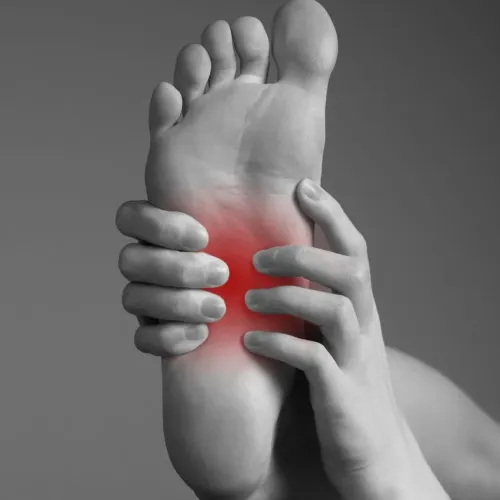
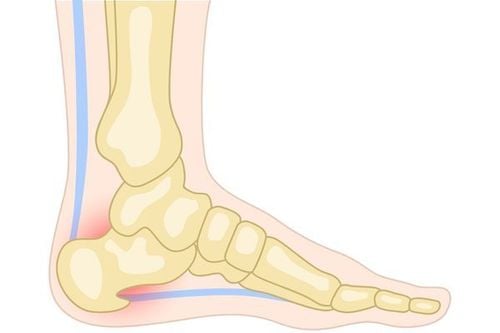
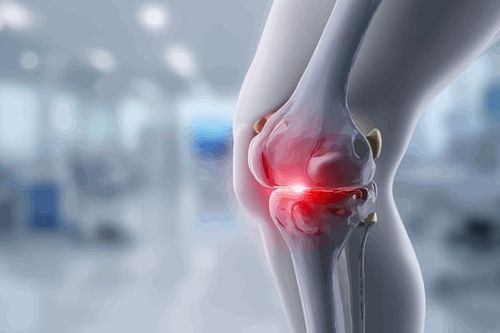
Glucosamine is a naturally occurring substance in the body that plays a key role in the formation and repair of cartilage tissue. However, as people age, the concentration of this compound decreases, leading to various musculoskeletal disorders, especially knee osteoarthritis. Therefore, supplementation with glucosamine-containing products is considered a supportive treatment method for these conditions. But what are the actual effects of glucosamine, and should it be taken daily?
1. What is Glucosamine?
Glucosamine is a naturally occurring compound found primarily in human cartilage. It is composed of chains of sugars including glutamine, glucose, and specific proteins. These components are essential for forming collagen fibers, which contribute to the structure and strength of cartilage, tendons, joints, ligaments, and the synovial fluid that lubricates joints.
Outside the human body, glucosamine can be found in some shellfish such as crabs, snails, and shrimp. However, cooking processes can reduce glucosamine content.
With increasing age, glucosamine levels decline due to reduced function or loss of certain body parts, which leads to musculoskeletal symptoms and diseases. Hence, glucosamine supplements in forms like tablets, powders, or liquids are used to support and treat these conditions.
2. Effects of Glucosamine
Glucosamine supplements come in three common forms: glucosamine hydrochloride (HCL), glucosamine sulfate, and N-acetylglucosamine (GlcNAc). Glucosamine is widely used to prevent and support the treatment of musculoskeletal disorders, including:
- Pain relief and anti-inflammatory effects: Making movement easier and more comfortable during physical activities and sports.
- Reducing symptoms of osteoarthritis: Glucosamine increases joint lubrication by promoting synovial fluid production, improving viscosity, which helps reduce pain and enhances joint mobility.
- Preventing cartilage degradation: It slows joint degeneration, protects cartilage cells, and reduces free radicals (superoxide) that damage cartilage-forming cells in bones.
- According to the Vietnamese Ministry of Health, glucosamine is typically recommended for knee osteoarthritis, while its use for other joint sites is generally not advised.
3. Is Long-term Use of Glucosamine Safe?
Despite its benefits, due to limited large-scale, long-term, and consistent research on glucosamine’s effectiveness and safety, cautious use of glucosamine supplements is advised - especially since these products are widely available over-the-counter.
Common patient questions include how long it takes for glucosamine to take effect and how long it should be used to balance therapeutic benefits and avoid side effects.
3.1 Dosage and Duration
Dosage:
- Adults over 18 years old: 1200–1500 mg daily, divided into three doses. Glucosamine may be taken alone or combined with other drugs such as chondroitin at 1200 mg per day.
- Under 18 years old: Not recommended.
Duration:
Daily glucosamine use can effectively improve symptoms. Its effects accumulate gradually, and treatment duration depends on the individual. Some may need 2–3 months, while others require 4–6 months to notice significant improvement.
However, health organizations recommend not exceeding 6 months of continuous use to avoid adverse effects, particularly on liver and kidney function. Patients should take breaks of 1–2 months to allow metabolic recovery.
Timing:
Studies show glucosamine should be taken with or immediately after meals for optimal absorption. It is also advised to drink plenty of water when taking glucosamine to enhance absorption and treatment efficacy.
3.2 Side Effects of Glucosamine
Long-term or high-dose glucosamine use may cause adverse reactions such as:
- Allergic reactions: skin redness, heat, itching, rashes, angioedema, and in severe cases, anaphylactic shock.
- Gastrointestinal issues: abdominal pain, nausea, vomiting, indigestion, bloating, diarrhea, or constipation.
- Neurological symptoms: headache, fatigue, dizziness, blurred vision, drowsiness, insomnia.
- Cardiovascular: peripheral edema, arrhythmias.
- Metabolic disturbances: increased cholesterol, lipids, blood sugar, elevated liver enzymes, potential liver damage, and impaired kidney function.
- Other symptoms: vision problems, hair loss, interstitial nephritis, skin bleeding.
4. Precautions When Using Glucosamine
Exercise caution with long-term glucosamine use in the following groups:
- Pregnant or breastfeeding women: Safety data is lacking, so these groups should avoid glucosamine or consult a healthcare professional first.
- Asthma patients: Some report worsened asthma symptoms with glucosamine, which improve upon discontinuation. Close monitoring is recommended.
- Diabetic patients: Glucosamine may raise blood sugar levels in some cases. Although generally safe, diabetics should monitor glucose closely.
- Patients with glaucoma: Glucosamine can increase intraocular pressure.
- Hypertension patients: Evidence is mixed regarding glucosamine’s effect on blood pressure, so monitoring is advised.
Drug Interactions
- Glucosamine may increase bleeding risk when taken with heparin.
- It may reduce insulin sensitivity.
- Oral glucosamine can increase tetracycline absorption.
- It can be combined with steroidal and non-steroidal anti-inflammatory drugs.
Glucosamine is widely used and effective in preventing and supporting treatment for osteoarthritis, especially knee osteoarthritis. However, high doses and prolonged use can cause serious side effects. Therefore, patients should consult healthcare professionals before starting glucosamine to ensure safe and effective treatment.
To arrange an appointment, please call HOTLINE or make your reservation directly HERE. You may also download the MyVinmec app to schedule appointments faster and manage your reservations more conveniently.