Knee joint dryness is a common condition in people with low physical activity, prolonged sitting, and those over 65 years old due to aging. The condition reflects a decrease or cessation of synovial fluid production, which lubricates the knee joint. To address this issue, besides following medical treatment, patients need a proper diet. So, what should people with knee joint dryness eat?
1. What to eat for knee joint dryness?
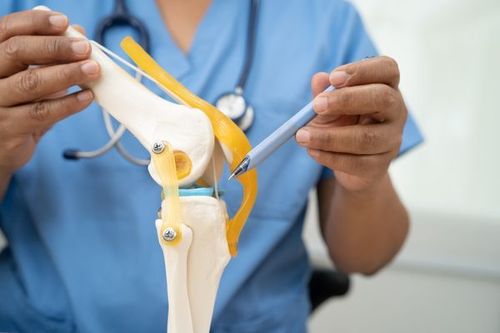
Knee joint dryness is common in those who sit for long periods with little movement and people over 65 due to aging. It manifests as reduced or stopped synovial fluid secretion in the knee joint, causing stiffness, weakness, and instability, often accompanied by cracking sounds during movement.
Additionally, patients frequently experience pain, reduced mobility, and decreased load-bearing capacity of the knee. Severe cases require medication, while mild cases benefit from long-term treatment with exercises and a healthy diet. So, what should be eaten?
Some foods recommended by doctors to help increase joint fluid secretion include:
1.1 Foods rich in fatty acids
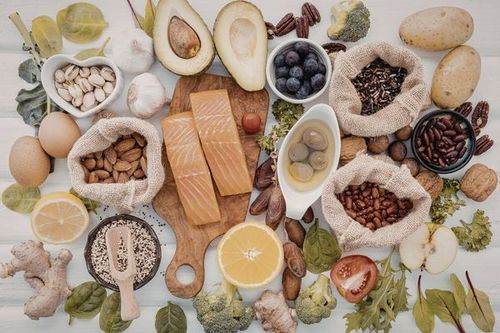
During treatment, patients should increase intake of nuts and fish rich in omega-3 fatty acids. Omega-3 is known to moisturize and stimulate synovial fluid secretion, keeping joints lubricated and smooth. It also protects bones, reduces inflammation and pain, and supports nerve recovery.
Foods rich in omega-3 include:
- anchovies,
- mackerel,
- salmon,
- herring,
- cod liver oil,
- caviar,
- flaxseeds,
- chia seeds,
- walnuts,
- almonds,
- oysters.
1.2 Dairy products
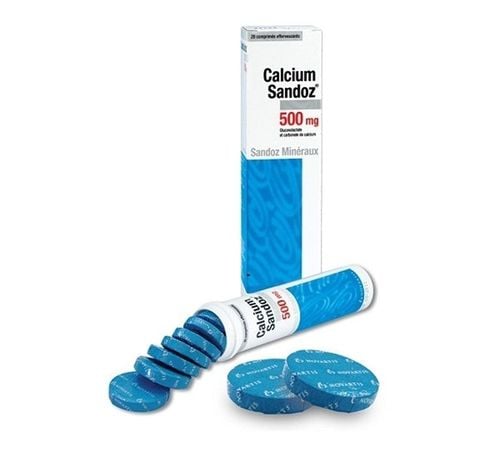
Milk is rich in calcium, which supports bone healing, maintains bone health, and prevents degenerative diseases. Calcium supplementation by milk also maintains bone density and prevents osteoporosis
Milk and dairy products also contain vitamin D and protein, which promote bone repair and calcium absorption. Patients should consume 200-400 ml of milk daily or eat 2 yogurt cups or 10-20 grams of cheese.
1.3 Tomatoes
Tomatoes contain vitamin C and lycopene. Vitamin C boosts immunity, reduces inflammation, and promotes tissue healing, including soft tissue, nerves and joints.
Lycopene is a powerful antioxidant that protects against oxidative stress and delays joint aging.
Tomatoes also contain vitamin K, collagen, and calcium, supporting bone and joint recovery.
1.4 Cereals and nuts
Cereals and nuts provide nutrients like calcium, vitamins, protein, magnesium, and omega-3 fatty acids, which nourish bones and stimulate synovial fluid production.
They also contain antioxidants and iron, which prevent anemia and slow aging of joints, muscles, nerves, and blood vessels.
1.5 Green vegetables
Green vegetables provide vitamins C, K, A, calcium, collagen, and antioxidants. These nutrients prevent joint degeneration, relieve pain, promote healing, and increase synovial fluid secretion. Vegetables like Malabar spinach, jute leaves, okra, and sticky beans contain natural mucilage, helping treat knee joint dryness.
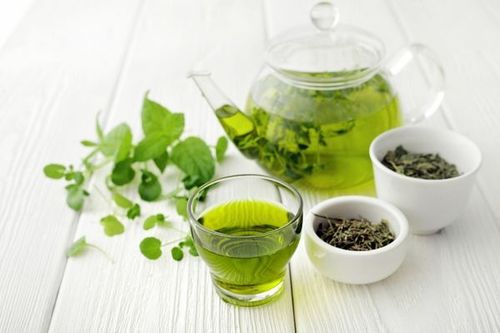
1.6 Green tea
Green tea contains flavonoids, strong antioxidants that slow aging and prevent free radical damage. Flavonoids also reduce inflammation and pain.
Drinking green tea once daily helps repair damage from injury or degeneration and supports treatment.
1.7 Fruits
Fruits rich in vitamin C (citrus fruits, guava, papaya) and antioxidants improve immunity, heal tissues, reduce pain, and inflammation.
Berries are rich in calcium and antioxidants, aiding treatment and preventing joint degeneration.
1.8 Seafood
Seafood such as shrimp, crab, sea fish, shellfish, and oysters are rich in calcium, omega-3, magnesium, zinc, and potassium, which reduce inflammation, pain, and improve synovial fluid secretion, enhancing joint flexibility and load tolerance.
1.9 Sweet potatoes
Sweet potatoes provide fiber, potassium, and magnesium, which reduce inflammation, increase bone mineral density, and support new bone cell growth.
Potassium also strengthens muscles and nerves, stabilizes heart rhythm, regulates blood pressure, and reduces stroke risk. Sweet potatoes are, therefore, great for the elderly and the young with musculoskeletal issues
1.10 Olive oil
Olive oil contains healthy fatty acids that reduce inflammation, pain, maintain bone density, slow bone loss, and prevent joint damage and osteoporosis. It also has benefits for skin, cancer prevention, and rheumatoid arthritis.
1.11 Avocado
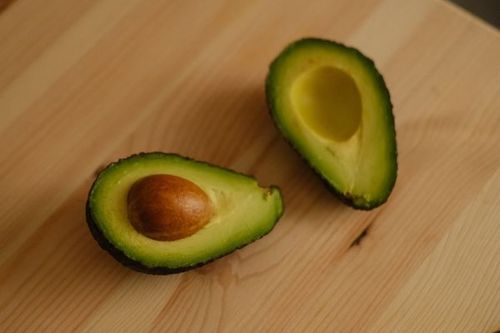
Avocado is rich in vitamins K, C, E, B5, B6, potassium, and folate, which reduce inflammation, pain, and accelerate cell regeneration for overall and joint health.
Its fiber content helps reduce blood sugar and maintain healthy weight, decreasing pressure on knee joints.
2. What to avoid when having knee joint dryness?
Patients should limit:
- Animal offal: impairs calcium absorption and promotes inflammation, worsening joint aging and dryness.
- Foods high in fat and oil: increase joint inflammation, pain, and degeneration; also cause weight gain, increasing joint stress.
- Salty foods (pickled vegetables, dried fish):
These foods can accelerate joint degeneration and aging, and reduce synovial fluid production.
- Sugary foods (candy, cakes, milk tea).
- Stimulants and alcohol:
These products reduce oxygen delivery to joints, accelerate bone destruction and aging, impair bone regeneration, increase pain and inflammation.
Knee joint dryness is common in inactive and elderly people due to aging. It reduces synovial fluid production, causing joint stiffness and pain. Besides medical treatment, proper nutrition is important to support recovery and improve treatment outcomes.
To arrange an appointment, please call HOTLINE or make your reservation directly HERE. You may also download the MyVinmec app to schedule appointments faster and manage your reservations more conveniently.