When the ribs are injured in a serious impact, this may lead to a fracture or a soft‑tissue injury of the rib cage. The signs of such a condition include visible bruising of the ribs, possible cracking, splitting or even breakage of the ribs. The most commonly affected area in soft - tissue injury of the ribs is the muscle and tissue that surround the rib bones, which become bruised.
1. Location and function of the ribs in the human body
Each person normally has 12 pairs of ribs, though this number may increase to 13 or decrease to 11. Each individual rib originates from the spine, connecting to a vertebra in the upper back and then curving around the side of the body to the front of the chest.
The first seven pairs of ribs connect to the sternum at the front of the chest; these are called the “true ribs”. The next three pairs (8, 9 and 10) connect via cartilage to the ribs above and are called “false ribs”. The two pairs 11 and 12 do not connect at the front of the body and are therefore often called “floating ribs”.
The ribs vary in their orientation: the upper ribs are less slanted than the lower ones; the maximum slant is reached at the 9th rib and then decreases from the 9th to the 12th.
Between the ribs there are intercostal spaces. The length of each space corresponds to the length of the adjacent ribs and the intercostal tissue; the width of the space is greater at the front than at the back, and among upper ribs the space is larger than among the lower ribs. The ribs increase in length from the 1st to the 7th, then gradually decrease to the 12th.
Roles of the ribs in the human body:
- Protecting the vital organs in the thoracic cavity
- Facilitating normal respiration
- Serving as attachment sites for muscles and tendons.
2. What are the signs of soft‑tissue injury of the ribs?
Soft‑tissue injury of the ribs (or rib bruising) occurs after a direct impact to the body. This may be due to a fall or collision with a hard object; the most common cause is a motor vehicle accident. The injury requires assessment to ensure it is not a more serious condition.
The principal symptoms are pain, swelling and skin discoloration. Specifically:
- Visibly the skin beneath the bruised area may turn blue, purple or yellow.
- The affected ribs and surrounding area feel bruised and are soft or tender when touched.
- pain even at rest or during movement.
- Breathing, coughing, laughing or sneezing may cause or increase the pain.
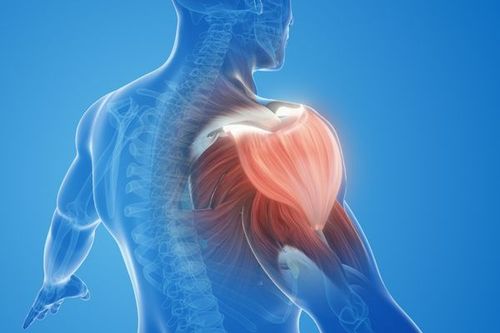
The pain in a chest trauma arises from strain or injury to the soft tissue, cartilage and muscles of the chest wall. A direct blow to the chest or to the ribs may cause rib bruising, fracture or detachment from the sternum. Bruising may appear in subsequent hours and the ribs may be tender to the touch. Coughing or sneezing can also trigger pain.
3. Initial management of soft‑tissue rib injury
Although rib bruising is extremely painful, in most cases it will heal completely. The injury referred to as “rib bruising” is usually soft‑tissue injury rather than bone fracture.
The RICE procedure is the standard first‑aid method for most soft‑tissue injuries. RICE (Rest, Ice, Compression, Elevation) includes rest, cold application, compression and elevation of the injured soft tissue during the first 48–72 hours. These four steps help reduce pain and swelling and prevent further damage to the injured zone.
Further treatment will vary depending on the type and severity of the injury. Soft tissue rib injuries heal similarly to rib fractures, but the bruising takes less time than a fracture.
- Healing time is approximately 4 to 6 weeks.
- Imaging such as an X‑ray, MRI or CT scan may be required to establish the diagnosis and exclude more serious injury e.g. rib fracture or internal organ damage.
- You should not use a chest binder or bandage that immobilises your chest because this may restrict breathing or coughing and lead to lung infection.
4. Home care for soft‑tissue rib injury
4.1. Cold application
Apply cold therapy to reduce swelling and relieve pain:
- place an ice pack on the injured area for 10‑20 minutes, 2‑3 times daily for the first 1‑2 days.
- Wrap the ice pack in a cloth before placing it on the skin.
4.2. Use of medication
If your pain is not severe you may use ibuprofen (e.g., Advil, Motrin) or naproxen (e.g., Aleve, Naprosyn) to reduce pain. These are over‑the‑counter but you must take note:
- Consult your doctor if you have heart disease, hypertension, kidney disease, liver disease or a history of stomach ulcer or internal bleeding.
- Do not exceed the recommended dose on the package insert.
Acetaminophen (e.g., Tylenol) may also be used by most people to relieve pain. However note:
- Do not use it if you have liver disease or impaired liver function.
- Do not exceed the recommended dose on the package insert.
- If your pain is severe you may require prescription analgesics to control pain while the bruising heals:
- Take the medications exactly as your doctor prescribes.
- Avoid alcohol, driving or operating heavy machinery while on these medications.
- To prevent constipation, drink plenty of water and eat high‑fibre foods.
- To prevent nausea or vomiting, take analgesic with food if advised.
Inform your doctor of any other medications you are taking because drug interactions may occur.

4.3. Supportive exercises
Pain when breathing may cause shallow breathing. If you breathe shallowly for too long you may risk developing pneumonia. To help prevent this problem your doctor may recommend deep‑breathing exercises.
- Perform deep breathing and light coughing every 2 hours to help clear mucus from your lungs and avoid partial lung collapse.
- Take 10 deep breaths every hour even during the night in the first few days.
- Supporting the injured rib area with a pillow or cushion may help relieve pain when taking deep breaths. You may need to take analgesic before doing these exercises.
- During care for a soft‑tissue rib injury you should note:
- Do not remain bedridden all day. This may cause fluid to accumulate in your lungs.
- Avoid smoking or use of any tobacco product.
- Try sleeping in a semi‑upright position for the first few nights. Use extra pillows under your neck and upper back. This position helps you breathe more comfortably.
- After a few days, transition to a normal sleeping position once comfortable.
- Avoid strenuous activities like heavy lifting, pushing/pulling or movements that cause pain.
- Be cautious during activities and avoid re‑impacting the injured area.
- You may gradually resume normal daily activities once your doctor authorises and once your pain has reduced and the bruising has healed.
If you have excessive pain despite medication, fever, worsening cough or increasing mucus (possibly with blood), shortness of breath or side‑effects from the pain medication, notify your physician immediately.
Injuries to the sternum, rib fractures, rib soft‑tissue injuries or rib bruising are quite common in current practice. We should take care when moving or travelling on roads to avoid accidents, collisions or falls that may affect the skeletal framework in general and the ribs in particular.
To arrange an appointment, please call HOTLINE or make your reservation directly HERE. You may also download the MyVinmec app to schedule appointments faster and manage your reservations more conveniently.